Displaying items by tag: Peter Malone's Movie Reviews
Horse Feathers
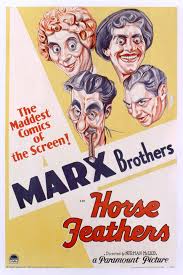
HORSE FEATHERS
US, 1942, 75 minutes, Black-and-white.
The Four Marx Bros, Thelma Todd.
Directed by Norman McLeod.
This is the fourth film that the Marx Bros made at Paramount, Coconuts, Animal Crackers, Monkey Business, and following this film, Duck Soup. They would then enter into contract with MGM, making four films with bigger budget, classics in their own way: a Night at the Opera, A Day at the Races, Go West, The Big Store. The 1930s were their heyday.
The brothers began as a singing group, on stage, vaudeville, mixture of parody, comedy, verbal wit, music… And the early Paramount films incorporated a number of their stage routines.
While there is something of a plot here, Groucho Marx becoming the head of the University College, concerned about his son, played by Zeppo Marx, a footballer in love with the widow, the widow’s father wanting to manipulate a football game and the President employing both Harpo and Chico as footballers but also with a commission to kidnap the star players from the opposition team (including character actor in many films, Nat Pendleton).
The film opens with a long sequence and a song, I’m Against It, the president opening the University year with all kinds of wisecracks and Groucho Marx comments and puns, the faculty sitting inmobile, then suddenly all the old professors joining in the song and dance routine. Later in the film there is the song, Everyone Says So, presented in various forms, including piano performance by Chico Marx. And, of course, some harp music from Harpo.
The performance by the Brothers is what we have come to expect and hope for. Groucho, false moustache, eyebrows, glasses, his stooped walk, the wisecracks, the puns, the romantic innuendos. Chico is more straightforward and a delight at the piano. Harpo, in these films always with an eye to the ladies. Thelma and told is the love interest, from Zepp’s in the daily lives is, Groucho inserting himself, and Harpo playing the guitar for her…
Some of the routines and the dialogue are still very funny, but, this is a record of the brothers and their distinctive comedy.
Home, The
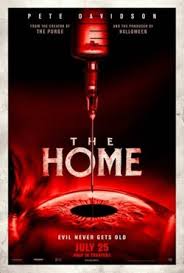
THE HOME
US, 2025, 95 minutes, Colour.
Pete Davidson, John Glover, Ethan Phillips, Bruce Altman.
Directed by James DeMonaco.
In 2023, John Lithgow and Geoffrey Rush, starring in a New Zealand film, The Rule of Jenny Pen, showed how there was potential for a horror film set in an aged care home. Here is another aged care horror film.
Writer-directors, James DeMonaco, created a very successful franchise, The Purge, for both film and television. There was a kind of mad lawlessness about the series, society creating a time when killing laws were suspended and murderous characters went on violent sprees. This time, with Home, there are again murderous characters on violent sprees, but very much confined to the remote Aged Care home.
The film opens with a boy in foster care, Max, loving foster parents, sadly overwhelmed with the disappearance of his older brother. The older Max is a loner, troublemaker, rather stylish painter of graffiti on a large scale. In court, he is sentenced to community service at the Home. Some audiences may be put off because Max is played by comedian, Pete Davidson, who is something of an acquired taste. He definitely brings a mixture of offputting and sympathy as well as menace to his performance.
There is someone sinister-looking from an upstairs window when he arrives, but he is given caretaking tasks, the authorities seem friendly enough, so do some of the older residents.
But, and there is always a but… Upstairs on the fourth floor are some very decrepit in health old people, just surviving. Max was not supposed to go in there, and another but…
Meanwhile, despite our suspicions and his, there is a genial resident doctors, one of the residents takes a strong shine to Max, friendly, and there is an eccentric joker, performer, played by John Glover.
So, where is this going? Going downhill for Max and his morale, his physical safety, his becoming the victim of a belief in a gleefully malicious conspiracy. So, off the audience goes on an emotional horror rampage, Max the victim, revelations about the aged care residents, their close-knit community, their worship of a kind of earth deity and its ritual and savage consequences. A lot of violent comeuppances as we expect. And, depending on the box office response (American critics very negative), there are openings left, of course, for a sequel.
- The quiet title, but raising expectations? The visuals of the home, the buildings, the grounds, the rooms, the corridors, the sinister fourth floor? The musical score?
- The work of the director, The Purge franchise, film and television? Expert in horror? Yet in basically credible locations and situations?
- The introduction to Max, drawing, bond with Luke, the foster parents? Luke going off to college, Max and his loneliness?
- Max, adult, appearance, clothes, the extensive graffiti? The police? The foster parents? Avoiding prison, community service, going to the home, superintendent? Memories of Luke and his death? The effect on him, nervy? Settled?
- Welcome to the home, the authorities, Max and his duties, the demands, emptying rubbish, the woman bleeding in the pool, his room, disturbed sleep in nightmares?
- The staff at the home, especially the welcome from Dr Serbian, genial, the encounter with Norma, her friendship, conversations? The other authorities? The residents, Lou, genial, Acting? The others, their age? Max and his seeing the mask woman and the sexual encounter, then in his dreams?
- The face at the window, when he arrived, the fourth floor, his breaking the law, the elderly in their wheelchairs, television and the commentary about oil, desperate? The attack? The rescue, his being reprimanded?
- Lou, jovial, explanations, theatre? The joke for him to clean the excrement – and the welcome for the party?
- Thelma, erratic, her death, impaled? The reaction of the doctors?
- Max, upset, his leaving, going to his foster parents, their being nice, the quote about the heart and the link to Thelma? The two girls fostered, leading him to the attic, the room, the discovery of the photo albums, the past, the same photo of groups, Luke is a victim? His taking the photo, emotion?
- Max, his return to the home, the realisation that it was Luke upstairs, that he was not attacking, but embracing, the call for help? Max, the drugs? His being held prisoner?
- The explanation, the cups, the statue, Dea and the nature worship? The science, draining the spirit of the victims, the close-ups of action of the eyes? Making the residents of the home ageless, the reality of their long ages, the transformations? Hedonism, sexuality, performance? Lou and his leadership? Dr Serbiann?
- Max on the fourth floor, with Luke, his sharing and draining the life energy, preparing for the confrontation with all of the home?
- Vengeance unleashed, the horror film visuals, close-up of violence and mayhem? The destroying of all the residents?
- The bond between Max and Lucas?
- An allegory of privilege society preying on those less well off, community parasites, revolt against them, anger and destruction?
Nobody 2
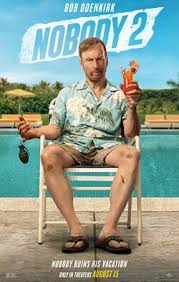
NOBODY 2
US, 2025, 90 minutes, Colour.
Bob Odenkirk, Connie Neilson, Christopher Lloyd, John Ortiz, RZA, Sharon Stone, Colin Hanks, Gage Munroe, Paisley Cadorath, Colin Salmon.
Directed by Timo Tjahjanto.
Bob Odenkirk was in the public eye with the very popular series, Better Call Saul. He moved into movies with the blend of violence and comedy, Nobody. So, for those of us who might have been wondering what happened to his character, Hutch, in the years after Nobody, here is an answer. And one of the parts of the answer is, much as he was doing before!
For those coming to Nobody 2 without preparation, there is an enjoyable, if very improbable, recap of Hutch’s career as a killer. He is financially indebted to a boss, The Barber (British Colin is one) and so goes out on mission, the filmmakers offering slam bang confrontations with several groups of thugs, Hutch, despite advancing age, demonstrating multi martial arts tactics and style, very much tongue-in-cheek, expecting the audiences to put their tongues in their cheeks as well for what will follow.
Hutch wants a rest. His children, from the previous film, same cast, would like a bit of attention from him. And, his wife, Connie Neilson from the first film also, is getting more exasperated with his erratic comings and goings. So, what better that that go to a resort that he enjoyed when he was young, a centre with an extraordinarily lively funfair. And, his dad from the previous film, veteran Christopher Lloyd, bringing his kind of wry humour to all the and tumble.
It all should have gone very smoothly but a local boy confronts his children, Hutch being absolutely touchy, weighing in violently – and off the plot goes. The aggressive boy is the son of the local boss of the resort, played by John Ortiz. And his firm has become involved in drug running – especially from the local master drug Lord, or rather Lady, played with enthusiastic venom by Sharon Stone. The other villain in the piece is the local sheriff played by an absolutely smug Colin Hanks.
It’s not a particularly sophisticated plot! Rather, if we have identified with Hutch, off we go, fights galore, traps, the grandfather in on the action, wife getting her violent moment, supported by the kids, making allies with the local boss rebelling against the villain, using to advantage the entertainments at the funfair, bringing plenty of adrenaline rushes even as, as mentioned, our tongues are in our cheeks.
Nobody 2 does not take itself very seriously at all, just there for some comedy and some violence, relishing going over the top, entertaining the audience and particularly staying in the memory except that it was an enjoyable action show.
- The popularity of the original film? The popularity of Bob Odenkirk? And the entertainment blend of family life and issues as well as of hired killers and international crime?
- The regrouping of the original cast? And adding Sharon Stone as the main villain? And Colin Hanks as the lesser villain? And the plot is a variation on the first film?
- Audience response to the character of Hutch? His background as a killer, violent? Yet the marriage, bond with his wife, with the children, and with his father? The background of the burning of the money, The Barber and his hold over Hutch to repay the debt with various jobs?
- The framework of the film, the police interrogation of Hutch? The story as a flashback an explanation? With The Barber, the financial situation, the job, to collect the key, the visualising of the mission, in the elevator, the mayhem, then the succession of other groups attacking Hutch, the brutality of the fights, and his emerging victorious?
- The family tensions, his wife and her being at home, the kids growing up and being out, her exasperation, her job and estate agent? The children, teenagers and their attitudes? Their absent father? And the role of the grandfather and his character? (In the flashbacks during the film of Hutch and Harry and their father’s behaviour and attitude?
- The decision to go on a holiday, the promise, the return to the resort of his childhood, for happy memories? At the resort, the rooms, the grandfather and his cabin? Everything set for an enjoyable week? The nature of the resort, food, carnival atmosphere and highlights?
- The situation, the sheriff, lording it over people, the encounter with Wyatt Martin, memories father, building up the town? The revelation of his being indebted to Landina? The factory, the cash, drugs and gold?
- The situation, the challenge to Brady and the taunts, touching Samantha’s head? Tearing up her toy? Hutch and his reactions, the mayhem?
- The sheriff, the interrogation, threats? Hutch putting the family on the Duck boat? The deputy sheriff and the toughs, the fights?
- Landina, her empire, her personal manner, the poodle, ruthless in destroying people? Her hold over Wyatt? The highly exaggerated manner, and Sharon Stone in the role?
- Hutch, going to the factory, the confrontation, the abduction of Wyatt’s son? The sheriff, the henchmen? The all-out fight, the ballistics, the money in flames, the range of explosions? The rescue of the boy? Taking him to his father’s? On the phone call to Harry, memories of the past, Harry arriving?
- The buildup to the siege, grandfather with the kids, Hutch’s wife to getting the rifle and going into action, the reconciliation between the two boys, Wyatt and the collaboration with Hutch, the elaborate reading of the funfair? Expectations?
Quand vient l'automne/ When Fall is Coming
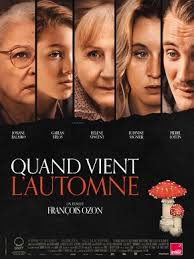
QUAND VIENT L’AUTOMNE/ WHEN FALL IS COMING
France, 2024, 104 minutes, Colour.
Helene Vincent, Josiane Balasko, Ludivine Sagnier, Pierre Lotton, Garlan Erlos, Sophie Guillemin, Malik Zidi.
Directed by François Ozon.
French director, François Ozon, has been making films since the late 1990s, 27 feature films, almost one a year, and quite a number of short films. His films range from serious dramas to light comedies and all stops in between. He is a director certainly worth following.
And, here we have one of his very fine films. Its star is veteran French actress, Helene Vincent, who turned 80 during this film’s production playing Michelle. She is supported by two very respected actresses, Josiane Balasko who plays her good friend, and Ludivine Sagnier, who plays her daughter.
We are in a French village. Michelle lives in retirement, tending her garden, upset at her daughter’s alienation from her, but eager to see her young grandson. Marie-Claude has been a friend for decades, but is concerned by her son about to get out of prison. So, a setting for family conflicts and drama.
There is an interesting beginning for those interested in religious themes. Michelle goes to Mass. The local parish priest comes from Africa. He gives a homily focusing on the Gospel of the woman who is the sinner, who anoints Jesus’ feet. The theme of the priest is that the woman is beloved and forgiven. This theme will come rather unexpectedly into focus as the drama develops.
Valerie, Michelle’s daughter, comes to visit with her son and her mother, who goes foraging in the forest with Marie Claude, picks mushrooms and prepares a dinner for her daughter – her daughter becoming sick, the rush to hospital, aspects of poisoned mushrooms, the recovery but further questions of intention and of resentment. (And, with 2023 events in Victoria and a court case on mushroom poisoning, Australian audiences at the film’s release would be alert to this issue.)
The audience will tend to be on Michelle’s side against her angry daughter and have some sympathy for Marie Claude as her son gets out of prison and decides to open up a bar.
The film takes an emotional turn as, later, we discover more and more about Michelle and her past life, Marie Claude and her work with Michelle, moral issues, moral challenges, sympathy, issues of rush to judgement, and a reminder of the initial Gospel message, especially in the context of the funeral for Marie Claude.
The village setting is beautiful, the surrounding woods for foraging, the gardens, and the autumnal colours.
In many of François Ozon’s films, there is a strong sense of humanity, goodness and evil, the need for sympathy, understanding and reconciliation, theme is very much to the fore here.
- The theme of autumn? The season, its colours, moving towards winter? Foraging, moving towards death?
- The setting, the village, homes, garden, prison, the club, the visits to Paris, apartments? Atmosphere? But the sequences in the autumn, the falling leaves, the autumn colours…? The musical score?
- Audience response to Michelle, her age, living alone, her garden, the phone call from her daughter, the visit with her son, the tension between mother and daughter, the abrupt behaviour of the daughter, on her phone, the divorce and her husband, the situation for the boy, the meal, the mushrooms, the sequence The tone of the opening, Michelle going to Mass, the African priest, the Gospel about the prostitute in the city and Jesus’ response? Michelle going to Communion? Audience surprise when eventually learning that she had been a prostitute? And Marie-Claude? The relevance of the Gospel? The funeral, the prostitute is coming, the kind words of the priest, God not judging but wanting salvation? The perspective for the whole film?
- Marie Claude and Michelle foraging for the mushrooms? The book, the choices, possible poisons?
- Valerie, her character, attitudes, resentment towards her mother, the eventual revelation of why? Wanting money, wanting the house, owning the apartment in Paris? Her collapse, hospital, further resentment towards her mother, leaving with Lucas? Michelle’s disappointment at his going?
- Marie Claude, the strong friendship, the outings, the discussions, her continued smoking, going to visit her son, prison, Michelle driving her? His coming out, her attitude, her hopes? His future, wanting the bar? Michelle lending him the money? Him the job, his work in the garden, tidy? His concerned Michelle, going to visit Valerie, on the CCB, the discussions, her death? His telling his mother, not telling Michelle?
- The news of Valerie’s death, the discussions with her husband, Michelle going to the apartment, the discussions with the police, the policewoman’s pregnancy? Her later coming, her suspicions, checking with Michelle, with Lucas, Michelle offering the alibi, Lukas denying knowing the same? The final decision of the policewoman?
- The happy scenes, Michelle, with Lucas, going to school, his being bullied, Vincent and his picking up Lucas, the threats to the boys? The friendship with Lucas, the bonding between the two, the walks in the woods? Lucas and the possibility of joining his father?
- The bar, its opening, the crowds, Marie Claude watching, Lukas watching, Michelle, her dancing, vigorous? Hopes?
- Marie Claude, her illness, hospital, her confiding in Michelle? Audience knowing their lives, prostitutes, Michelle’s explanation, to Lucas, Valerie’s reaction? Marie Claude’s death? The funeral, Lukas persuading Vincent to come in? The words of the priest?
- The final sequence, Lukas coming back from university, history of art studies, Vincent’s reaction, the bonding between them, going for the walk, Michelle and her continual visions of Valerie, the visit to the grave, in the woods, the deer, her collapse and death?
Tableau Vole, Le/ The Stolen Painting
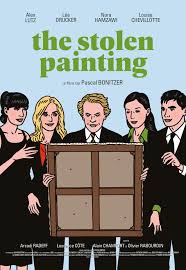
LE TABLEAU VOLE/THE STOLEN PAINTING
France, 2024, 91 minutes, Colour.
Alex Lutz, Lea Drucker, Nora Hamzawi, Louise Chevilotte, Arcadi Radef, Laurence Cote.
Directed by Pascal Bonitzer.
Over many decades, there have been many stories of the art works owned by Jewish families and stolen by the Nazis before and during World War II. More recently there have been too popular stories, George Clooney’s The Monuments Men and Helen Mirren in Woman in Gold.
The artist at the centre of this story is Egon Schiele.
This film opens with a somewhat startling sequence, an elderly woman, blind, discussing the sales of paintings in her house, haughty, racist (and not realising that her servant, African background, is present). In fact, this is not part of the film, but a suggestion for attitudes and bigotry in the art world and an introduction to the central auctioneer, Andre, and his new intern, Aurore..
The core of the film is the discovery of a painting by Egon Schiele in the house of a former German policeman in Mullhouse, now owned by a woman and her shiftwork son, Martin, who have no idea about the treasure on their wall. One of the young man’s friends sees it casually in an art magazine and realises the painting is valuable.
But most of the attention of the film is on the art world, the world of art sales, France, Germany and to the United States, especially where contemporary relatives of the Jews whose artworks were stolen now live.
Andre has a rather prissy manner, not entirely sympathetic, and clashes with his rather aggressive intern (who has a story of her own, alienation from her literary father, questions about her family, and then her schemes and antagonistic attitude towards Andre). But, there is some interest in being introduced to this world, the vast financial implications, for a start, the appreciation of the art or not, just seeing it as another business venture. Then there are the international bidders, sometimes shrewd, trying to undercut auction prices, private international deals…
Andre contacts Bettina, his former wife, an art expert, a much more lively character, but happy to collaborate with Andre in examining the painting, contacting legal help, setting up potential customers, preparing for the auction.
But there is also the story of Martin, the young man, suddenly introduced to an art world that is completely unfamiliar, present at the auction, rather overwhelmed by the sympathy of the representatives of the Jewish family and their generosity towards him and his family.
In fact, the end of the film is quite mellow, Andre having learnt a few more lessons about art and the business world, collaboration with Bettina, but presenting Martin to the banquet of the assembled family and friends after the auction – and their giving Martin, to his bewilderment, a standing ovation.
An interesting story, issues, characters and themes.
- Based on a true story, the Nazis, stealing paintings, rewarding officials? Destruction of paintings? Taken from Jewish families? The aftermath?
- 21st-century art world, the dealers, the auctioneers, the companies, the price of artworks, sales, underselling/overselling, financial perspectives?
- The opening story, setting a tone, the elderly woman, hostility towards her daughter and daughter’s life, her criticisms of people, her maid black, her blindness, the discussions with the dealers?
- Andre Masson, his skills in finance, in art, his deals? Aurora as an intern, the tension between them? Andre and his past, his marriage to Bettina, the separation, his drinking, his being absorbed in his work, his place in the company, his straightforward comments?
- The family, the mother, her friends and conversation, her son, his friends, the card game, their shift work, their friendship, tensions? Having the painting? The young man seeing the art magazine, the contact with the lawyer, her arrival, appraisal, contacting the company?
- Andre, making contact with Bettina, their past life, friendship, the visit to the town, seeing the painting, its authenticity? The discussions with the lawyer, her being away skiing, her return? Andre and his discussions with the members of the company, their personalities, and dominance, plans? The removal of the painting, its exhibition? The German, his entourage and lawyer, his watching the painting, his criticisms of it, his offering 8 million? His plan to undervalue the painting and buy it?
- Martin, his personality, quiet, the clashes with his friends, the friend wanting to touch the painting, the reconciliation? Martin and his mother, his not wanting her to fuss?
- Andre, depression about the secret offer, losing the commission, contacting the member of the family in the US, his visit to France? The offer, the phone calls?
- The background of Aurora, her relationship with her father, lying to him, not want him at home, yet his giving her the rent money, memories of the past, her mother’s leaving, ambiguity about her paternity? Going to the auction, the deal and buying the jacket? Her lies about that? The clashes with Andre, threatening him? Leaving? At the auction, outbidding the bidder, the possibility that he was her father, the clash in the street?
- Her returning to Andre, her experience with her father and books, bids undercutting the real value? Meeting Bettina, the friendship, Andrew and his drinking, the morning after, the discussions, her revealing the plot by the German?
- The phone call, contacting the American, the agreement for the option?
- The auction sequence, Andre and his command, the many bidders, the price rising? Martin present, dressing up, in Paris for the first time, overawed, his lawyer, and her liaison with Bettina? The price, the family offering 10% to Martin? Over $2 million?
- The aftermath, Martin and his weeping, not quite comprehending? The lawyer finding him, the invitation for them to come to the family dinner, Martin and the applause?
- Aurora and her reconciliation with her father, his health? Andre and the offer of the presidency, discussions with Bettina, his refusing, independence, relaxing, his skills in art deals?
- Martin, not telling his friends, continuing the shift work?
- The screenplay’s presumption that people, no matter what, can be their better selves?
Juror #2
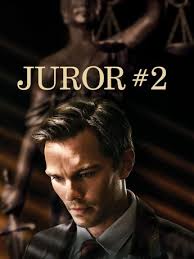
JUROR #2
US, 2024, 114 minutes, Colour.
Nicholas Hoult, Toni Collette, Chris Messina, Zoe Deutch, Kiefer Sutherland, J.K.Simmons, Cedric Yarborough, Amy Aquino, Gabriel Basso.
Directed by Clint Eastwood.
A Clint Eastwood film. The multi-Oscar-winning director made this film when he was turning 93. A strong acting career, a musician, and then a director as he turned 40, and the extraordinary variety of themes, principally westerns, police dramas, psychological dramas, American history, the music…
As with one of his key moral-themed films, Gran Torino, this film is rather small-scale, from the American suburbs. But, as with many, it is a film of reality and conscience.
Nicholas Hoult plays Justin, a reformed alcoholic, married to the teacher (Zoe Deutch) who helped him in recovery, expecting a baby. Then he is called to jury duty, wanting out because of the imminent pregnancy but, as with other jurors who protest, is compelled to serve.
The case concerns the death of a woman, on the highway at night, her body down the cliff face. The accused is her partner, a violent man, drug convictions, and all the evidence against him, an argument in the bar, his pursuing her, the dark night.
There is an interesting supporting cast. Toni Collette is the determined prosecutor, believing in the guilt, but also involved in campaigning for political election. The defence lawyer, sympathetic to the man accused, is played by Chris Messina. Kiefer Sutherland plays a friend who runs the AA meetings and offers advice. J.K.Simmons is a retired policeman who decides to investigate aspects of the case himself.
But, in this setting, there are complications for Justin, juror #2. He realises that he was in the bar that night, remembers some of the interchange, was tempted to drink but didn’t, drove home disturbed, hit a deer on the road, had not thought about this afterwards. As he listens, disturbed, beginning to question what had happened that night, pressured by the discussions of the jurors, sensitive to his wife and the imminent birth, interactions with the prosecutor, the members of the jury going as a group to the site of the death…
It is interesting to see that Clint Eastwood after so many films has decided to go for a smaller scale drama, a look at family life, interactions and a small town, the significance of the law and jury duty and decisions, the conscience of the prosecutor who had a fixed opinion on guilt but is challenged by the lawyer for the defence and an interview with the accused, challenged to do her own investigations.
Justin is also challenged in his conscience and makes decisions. So, a challenge to the audience as well, sympathies, justice, conscience, extenuating circumstances, and Clint Eastwood leaving what could be his final film with a conscience-challenge to his audience.
- The films of Clint Eastwood? Themes of justice, crime, police? Filmed in his 90s?
- The Georgia setting, homes, the courts, bars, the countryside, the highway, the scene of the death? The musical score?
- The title, the focus on Justin Kemp, his marriage, pregnant wife, the loss of earlier babies, the third trimester, his concern? The gradual revelation of his life, alcohol, the accident, rehabilitation and AA, the courts and social work, teaching, meeting his wife, the marriage? His reform, going to AA meetings, the encouragement of Larry Lasko? The chance encounter with the DEA?
- The case, the accused, in the court, his manner, the flashbacks, his reputation, drug dealing, tattoos, his girlfriend, drinking in the bar, the argument, following her outside, the altercation, her leaving in the rain, his driving away? The evidence against him? The patrons videoing the altercation, played in court? His reputation? Driving away, the identification by the old man?
- Justin, called to jury duty, his background of writing articles, not wanting to be away from his wife, the judge ordering him to stay, the other jurors and objections overruled? His sitting in the court, listening to the case, place in times, the beginnings of the flashbacks? The cumulative effect of the flashbacks, his reason for being in the bar, not drinking, upset, driving away, lack of attention, hitting what he thought was the deer, his looking around, driving away, no report? The issue of the repairs to the car and Faith checking out possible suspects, the visit to the house, Justin’s wife and her testimony?
- The skills of the prosecution, her determination, personality, interactions with the defence counsel, her ambitions, the interviews, politics and her role? Her manner in the court, assured, convinced of guilt? The contrast with the defence counsel, his manner, presentation, the arguments, cross examinations? The role of the judge?
- The effect on Justin, his conscience, his talking with the Larry? Larry giving the worst possible scenario? Later meeting with Larry, issues of conscience?
- The personalities of the jurors, the jury taking charge in managing the discussions, the angry man and the death of his brother, condemnation of the accused? The variety of personalities, age, the discussions, the medical student and her analysis of the wounds?
- The pressure on Justin, to protect himself, fairness to the accused being innocent? His raising questions after the almost unanimous decision? The range of discussions, angers, shifts of attitude, questions, the revival reliability of the old man and his identifying the accused? The weather, hit run? The interactions amongst themselves, the interactions with Justin?
- The surprise that the verdict did not coming quickly? Justin, going home, reassurances for his wife, the tensions, her asking the truth?
- The request to visit the site, the strictures, in the bus, the angry juror and his eye on Justin, analysing the situation, the pressure on Justin? The need for a verdict?
- The audience surprise at the verdict of guilty? Justin absent from the reading, being with his wife, the birth? The result for the prosecutor, defence, the prisoner himself, his declarations?
- Faith, the discussions with the defence, his pleading that the accused was not a murderer, the issue of the juror, former policeman, his contributions, going to the scene of the death, aware that Justin was there, his collecting all the documents about repairs? Including Justin’s? Justin contriving to drop the documents, the consequences, the former policeman dismissed? Justin to stay?
- Faith, her checking out the repairs, the interview with Justin’s wife, the aftermath of the decision, her discussions with Justin outside? The meeting with the accused and the defence present, her checking whether she believed him guilty or not?
- Her success, her role as DA? Her conscience, justice?
- The audience’s attitude toward Justin, saving himself, the guilty verdict, his attitude towards the accused?
- The final moment of the film, the knock on the door, faith present, the focus on Justin? His wife and the baby? The future?
Weapons
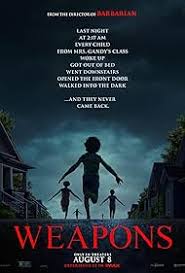
WEAPONS
US, 2025, 128 minutes, Colour.
Julia Garner, Josh Brolin, Amy Madigan, Cary Christopher, Benedict Wong, Austin Abrams, Alden Ehrenreich, Clayton Farris, Justin Long, Sarah Paxton,
Directed by Zach Cregger.
Weapons is quite a general title and audiences may be expecting to see a lot of firearms. However, the weapons this time are young children, 17 in a school class who suddenly disappear, running from their homes, in the early hours one morning. Only one does not disappear, Alex (Cary Christopher), who lives a lonely kind of existence. Where can this be going?
The film was written and directed by Zach Cregger whose previous film, Barbarian, employedthe same pattern as here, establishing characters and situations, building up to the explicit horror. He certainly is able to create an atmosphere of mystery, often quite unsettling, the audience puzzled, looking for clues and indications and then, finally, a frighteningly overwhelming climax.
While we see the disappearance of the children, wondering where they could be, the structure of the film is in chapters, each with the name of a significant member of the cast, from Justine (Julia Garner), the initially hapless teacher of the disappeared children, blamed by the parents, branded as a witch, and not quite a steady personality. Then there is her relationship with Paul (Alden Ehrenreich), a rather callow policeman with the angry, neglected wife and pursuing a vagrant, James (Austin Abrams), addict, homeless, always ready to exploit situations. The other main characters are Marcus, the school principal (Benedict Wong), and Archer (Josh Brolin), a concerned parent whose son has been the principal bully to Alex.
And, the screenplay moves around in time, revealing characters, going back to situations, developing interconnections, which means that the audience has to be quite attentive.
And, at Alex’s house, more sinister revelations, the fate of Alex’s parents and the mysterious Aunt Gladys insinuating herself into the household, eliciting pity, but frightening people and the gradual revelation of who she is, her powers of control, the discovery of the children and a ferocious climax. Amy Madigan offers a powerfully alarming performance.
This may not appeal to audiences, of course, but it is a horror film worth considering, an involving plot, a range of flawed characters, the problems of a small town, school and teachers and parents, and eerie suggestions of horror which may or may not be possible in real life.
- The arresting title? Audience puzzle? The later explanations, the possessed characters, their arms like wings, their attacks, violent destruction?
- The Middle American town, atmosphere, homes, school, streets, police precincts, the countryside? The musical score?
- The narration throughout, the voice of the schoolgirl, touch of the eerie?
- The episode, the 17 children, visualised, running with their arms like wings, disappearing? All from the one class? Only Alex coming to school the next day? Justin’s class, her coming, the discussions with the principal, the reaction of the parents, her being blamed, the meetings and denunciations, the painting of “witch” on her car? The setting up of the atmosphere?
- The writer-director and his previous film, the same pattern, establishing characters and situations, building up to the explicit horror?
- The device of having chapters, the names of the principal characters? Focus on them, introducing other characters, flashbacks, the building up of the time and momentum, going back for the audience to see episodes from a different angle? And then the final sequences, in chronology, with explanations, visuals, and the introduction of the horror and gore aspects? The cumulative effect?
- Justine, teacher, devoted to the children, yet past DUI, her drinking, at the bar, living alone, and nightmares, the relationship with Paul, deceiving his wife, drinking, going home with Justine, the sexual encounters, the aftermath? Justine recommended to be quiet, yet her following Alex, going to the house, looking in the windows, the people still, boarded-up? The vigil in the car, the mother cutting a look at her hair? Further encounters with Paul?
- Paul, age, police, tense, drinking, his marriage, relations with his wife, deceiving her, her outbursts? His time with Justine? Tension, with the police chief, the discussions with him? The pursuit of James, vagrant, anger, his finger pierced, health worries, the discussions with his superior, keeping it quiet?
- James, vagrant, asking for money from Justine, stealing, going to the pawnbroker, being chased by Paul, Paul pierced, his running away? Wandering, seeing Gladys in the field? His tent, the drugs? The rain, going to the house, getting inside, the mystery of the people, his apologies, steal the cutlery, going to the pawnbroker?
- Archer, parent, his wife, his son seen in bullying Alex, his work on the building site, erratic, the confrontations with Justine, the injuries and the accident, their beginning to share concerns, his own investigating, his dreams, teaming up with her eventually, going to the house, getting inside?
- Marcus, principal, ethics, strictures on Justine and her following Alex? With the parents? Time passing? At home, his relationship with Terry?
- Alex, his age, at home, his relationship with his parents, happy relationship, driving with his father, dropping him at school, his mother at home, the prospect of aunt Gladys coming, preparing the house? His being bullied, especially by Matthew? Aunt Gladys and her arrival, his reaction, her behaviour in the house?
- Aunt Gladys, appearing in the dreams, glimpsed by James? Her arrival, appearance, the make up, a witch, old and wizened, taking control of the family, her branches, has sticks, her rituals, pricking, the blood, on the branch, breaking it, the personal links with the victims, hair…? Her control in the house, paralysing Alex’s parents, his reaction to this, keeping them alive, feeding them the soup? Her dying, but being sustained by energies from the victims? Her encounter with Marcus, at school, bringing Alex’s father to the school, her coming to Marcus’s house, hypnotising him, controlling him, his live-in partner, and bashing him to death? Then his running through the town, like a weapon, to track down Justine?
- James, taken by Paul, in the car, all in the house, his being controlled, bringing James into the house? The arrival of archer and Justine, all hypnotised? The confrontations within the house, archer hypnotised, Justine almost killed, her getting the gun, killing Paul, rescuing Alex?
- The children, Archer’s search in the basement for his son, Gladys asking Alex to get personal emblems, the gymnasium, Justine, his taking them and chopping them to pieces? Their coming alive, pursuing her, the mayhem in the chase throughout all homes, smashing, the glass? And the descending on Gladys and destroying her?
- The little girl in the narration, talking about the aftermath, Alex moving away, some gradual recovery for the children…?
BoondockSaints,2, The: All Saints Day
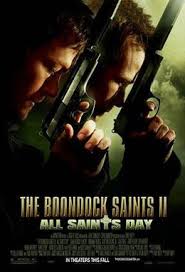
THE BOONDOCK SAINTS: ALL SAINTS DAY
US, 2009, 118 minutes, Colour.
Sean Patrick Flanery, Norman Reedus, Billy Connolly, Clifton Collins Jr, Julie Benz, Peter Fonda.
Directed by Troy Duffy.
This sequel definitely presupposes audience knowledge of the first film. In 1999, the original focused on gang warfare in Boston, details of the Boston Mafia and the Italian culture, criminals as well as on the McManus family, and the Irish Mafia.
In both films, the McManus twins, very much a product of Irish Boston, son of a killer, and exercising vigilante violence against their enemies, were played by Sean Patrick Flanery and Norman Reedus. And the father is played by veteran Billy Connolly.
While there is a very different opening for this sequel, the rest of the action when the brothers return from Ireland to Boston is very much in the vein of the first film, the picture of the various branches of the Italian Mafia and their crimes, internecine violence, Judd Nelson appearing as one of the leaders.
There is a setup involving the death of a priest in Boston, a hired killer but the murder set up as imitating the style of the McManus twins. This is a situation to draw the brothers who have been working on farms, to come back – and, on the boat on the way, they encounter part of the Mexican Mafia in the form of Clifton Collins Jr and his Mexican connections. He becomes part of their team.
The McManus family has a priest cousin in Boston who comes to Ireland to inform them about the murder. At the end of the film, when he gives some kind of refuge to the FBI Agent who oversteps the bounds of the law, played by Julie Benz, he is seen to be in connection with the detective from the first film, played by William Dafoe, whose death has been faked and who is still living quietly but with influence on combating crime in Boston.
Many of the scenes are quite over the top in terms of violence, glee of the brothers and their Mexican ally in the violence, the FBI agent at her toughness and rivalry and then collaboration with the detectives who were working with the brothers 10 years earlier.
The crass language of the dialogue is incessant, may be taken for granted by the characters portrayed, but much of it too much and too constant for the audience. And, it might be noted, that there are a lot of verbal attacks on enemies using homophobic slurs, something which pervades the attitudes of the McManus family.
During the film, there are flashbacks to the history of Noah McManus, a young man, diffident, witness to murders, changing in his attitude, becoming a killer himself, and eventually living remotely on a farm in Ireland, Billy Connolly. However, as the plot progresses, it is revealed that his past friend and then enemy, deadly enemy, Louis, is now nicknamed The Roman and has engineered the situation, the murder of the priest, to lure Noah back to the United States and confront him.
There was to be a third episode and the Wikipedia entry is a detailed history of the on-again – off-again progress of this project.
Sketch
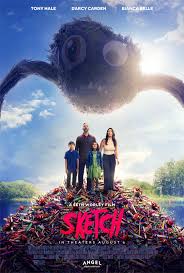
SKETCH
US, 2025, 93 minutes, Colour.
Tony Hale, D'Arcy Carden, Bianca Belle, Kue Lawrence, Kalon Cox.
Directed by Sam Worley.
What to expect from a film with the title Sketch? Would it be a story about art and drawing? Will it be a happy bringing to life of sketches? Or, will the sketches be menacing and threatening?
In this case, the latter.
As we watch Sketch, we might also be wondering what the impact will be on children, the young, boys and girls, who can identify with the central characters and with their situations. The character in this film who does the sketches is Amber, young, along with her brother, Jack, and her father, Taylor, her grieving the death of her mother. She has a sketchbook, and the gift of a sketchbook from her father, but the sketches are dark, bleak, ominous, monstrous, sinister fantasy…
And, while the first part of the film is “realistic”, family life, Amber and her difficulties at school, the response to her sketches, the antisocial attitudes, the rest of the film goes into the world of fantasy, her sketches coming alive, in the forms of the great range of monstrous creatures, of all sizes, large and small, all kinds of colours, gigantic sinister skeletal creatures, small yellow eyeballs, a range of spiders… So, how will the children’s audience deal with these sketches coming to such frightening life?
The main part of the film consists of the older generation being confronted by the monsters, then the school bus and a crash and Jack and Amber and another boy, Bowman, being pursued through the woods, especially to a mysterious pool which is the source for magic, the sketches coming to life.
The film is based on a short film, Dark Colours, by writer-director, Sam Worley, who takes the opportunity to imagining himself into the grief of a young girl, her emotions, her imagination, her morbid feelings and reactions, and their coming to life – but, with the hope that this explosion of imagination be a step towards some kind of emotional healing.
Audiences have the emotional strength to appreciate this unexpected storytelling, it will be over to parents to decide whether the youngsters will be able to cope, benefit, or not, by this usual cinema experience.
- The title, general, then menacing?
- The blend of the realist and the imaginative?
- The town, America, Middle America, home, school, school bus, the countryside? Then the sketches, their coming alive, monstrous, size and colour, menacing, destructive?
- The film and the target audience? Parents, grief, coping with grief, children and grief? The children, the fantasy world of monsters, but combating monsters?
- The family, Taylor, his role as Father, personality, grief, relationship with his children? At home, at school? Jack, age, games and adventures? Amber, age, withdrawn, morose, the sketches? The relationship with their father, loving, wilful?
- The selling of the house, Liz, the range of clients, the visitors, Taylor and his erratic behaviour, in and out, his moods?
- Amber, her sketches, dark, the teachers, concern, her father’s reaction? The sketchbook? Private? Her father, accidentally seeing the sketches? Her reaction, the importance of the pool, Jack and his phone, magically fixed? The sketchbook, the powers of the pool?
- The action of the film with the emergence of the monsters, their range, representing Amber’s sketches, monstrous? Colours, size, activities, threats?
- Taylor and the monsters, spiders, the visitors for the sales? Spots on the wall, the spiders, the eyes?
- The episode of the bus, Taylor holding it up, the crash, the monsters, the driver, the children, getting out of the bus? The two going to safety? Amber and Jack and Bowman, adventures, threats, in the forests, confronting the monsters, pursued, the going back to the house? Liz and Taylor and the search, returning to the house?
- The crisis, the realisation that the monsters embodied Amber’s feelings? The children, the pool, creating counter-monsters, the other monster sketching, the buildup to the final confrontation?
- The effect of this film as symbolic of grief, expressing grief, even monstrous, confronting, coping, conquering?
But Also John Clarke
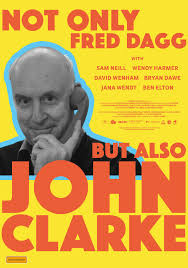
BUT ALSO JOHN CLARKE
Australia, 2025, 102 minutes, Colour.
Sam Neill, Wendy Harmer, David Wenham, Bryan Dawe, Jana Wendt, Ben Elton, Andrew Denton, Andrew Knight, Ernie Dingo, Philip Adams, Sean Micallef.
Directed by Lorin Clarke.
Australia has produced many outstanding comic writers and performers. Amongst those who stand out, of the many, in recent decades are the back affable Paul Hogan and the satiric Barry Humphreys. And, somewhere in the middle, affable but, developing a strong sense of satire.
Sadly, John Clarke died in 2017 and is already becoming a memory. But, in his heyday in his native New Zealand, with his character, Fred Dag, and then in his topical satirical interviews on television and the series, The Games, he was immediately well known and appreciated. It is important to have a documentary like this to perpetuate his memory.
And it has been made by his daughter, Lauren Clark, herself working in media, the great deal of television and video material available to be incorporated here. And, she has many contacts, sitting down casually to chat with them and their responding with enthusiasm, wholeheartedly, and some very happy memories.
As indicated above in the credits, these are some of the very well-known names of those who appear, chat, and, many of them voicing excerpts from Clarke’s own story, especially Sam Neill, much the same age, who knew him in New Zealand with their studies and work with him over the years in Australia. (There are some excerpts from John Ruane’s comedy, Death in Brunswick, which starred both Sam Neill and John Clarke.)
The early part of the film appeals to the Australian audience, especially with interviews with Brian door, his partner over decades in the conversations, no make up, Clarke just keeping his own mannerisms but assuming the character of the politicians or other celebrities to be interviewed, deadpan responses to all the questions from Brian door.
Then the film goes back to Clarke’s origins in New Zealand, a focus on his parents and their experience of World War II and the consequences, like feeling that he could not live up to his father’s expectations, more than a touch of rebellion, especially manifest at his school, then at University and in his acting and writing, the character of Fred Dag, New Zealand farmer, emerging in the 1970s, some broadcast managers wary, but the public responding well, the possibility of social comment and critique through parody and satire.
Then the advice of a move to Australia, the successive steps in his career, an overview of television comedy, especially, from the 70s to the 2010 is.
So, this is a labour of love for his daughter – and there are some significant interviews with John Clarke’s wife, Helen McDonald, married for 44 years.
For those not familiar with John Clarke, it opens up an interesting and entertaining portrait as well as an overview of comedy on New Zealand and Australia and radio and television.
For those familiar with John Clarke and who admired him, an hour and three quarters happily spent in his company.
