Displaying items by tag: Peter Malones Movie Reviews
Tour de Glace, La/ The Ice Tower
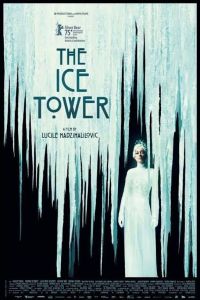
THE ICE TOWER/ LA TOUR DE GLACE
France, 2025, 170 minutes, Colour.
Marion Cotillard, Clara Pacini, August Diehl, Aurelia Pettit, Cassandra Louis Urbain, Gaspar Noe.
Directed by Lucile Hadzihalilovic
A difficult, challenging film to watch, interpret, understand.
This is a response to the film, rather than a review. Over to the critics for further elaboration. The Little White Lies website, refers to it as a ‘mesmerising riff on the famous Hans Christian Andersen fairy tale is a true triumph of imagination’. And, perhaps in the vein of the screenplay, ‘A moonlit metacinematic mountain mystery’. It was awarded the Silver Bear for Artistic Contribution at the Berlin Film Festival, 2025.
The Ice Tower has a particular, serious French sensibility. There is also a female sensibility from its co-writer and director as well as the two central stars and their performances. They have drawn on the fairytale by Hans Christian Andersen and have taken it in the direction of fairy tales with the victim heroine, Snow White, Sleeping Beauty, and their conflict with their vain and self-centred Queens, “Mirror, Mirror on the wall…”.
The film opens with kaleidoscope colliding shapes and images, floating and swirling, inviting the audience to imagine. The narrator tells us that there are so many perspectives. Boundless.
At first, there is the reality of a life story, a young woman, Jeanne, orphaned, foster care, harsh treatment, the desire to move away to live her own life – which she does, even trudging through snow and storms to the city.
But, she reads the story of The Snow Queen to a little girl in the home, Rose, who imagines the story more happily. But she grieves when Jeanne leaves, refusing to eat, persuaded by phone call to eat and Jeanne promises she will tell her stories when she comes home. Rose lives in an imaginative fairytale world.
.
Then the introduction of movies, moviemaking, the realism of the set and the cast, the filming, but also the fact that movies create myths, other worlds, fairy tales which can be grim, fairy tales with happy endings. The Snow Queen is set in a grim, brittle, icy, cold-emotional world.
And then the world of the star, a haughty actress, embodying The Snow Queen in film character as well as on set and in her personal life. Which introduces the theme of the alter ego, the doppelgänger, the character dramatised in the film and her behaviour, the life of the actress herself, comparisons and contrasts.
Jeanne calls herself Bianca, echoes of Snow White, is resourceful, hides out in the studio building, becomes part of the extras, is intrigued by Cristina, the actress, is favoured by her, charmed, promised loving attention – intrigued by both Cristina and the narcissistic Queen. The Queen/Cristina wants the sacrifice of complete love, the temptation to kill herself for the Queen. The fairy tale can be destructive.
Fairytales have jewels, Jeanne with a necklace of beads, one of which she gives to Rose, almost losing the necklace in the snow, and a bead which Cristina finds, a threat to the bond with Rose. And fairytales also have sinister birds, blackbirds, crows and ravens, here as part of the drama of The Snow Queen, Jeanne having to handle’ soothe the bird on set, seeming to kiss it only it to peck at her lip. Symbols.
And, a Prince to rescue the Princess? Enter the character of Cristina’s longtime doctor, protector, who knows the truth about her but who steps in then to rescue Jeanne, to save her and send her back to reality, real life.
And the end of this reality, the end of this destructive fairytale? Jeanne returns to Rose, to the fairytale, giving her the gift of the crystal that she stole from the Queen’s dress, and the camera invites us to draw on what we have experienced and look at the swirling images once more in the crystal. Boundless.
With or Without You/ Australia
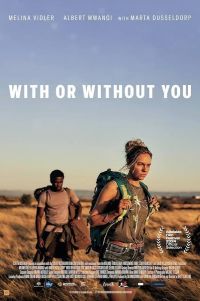
WITH OR WITHOUT YOU
Australia, 2024, 114 minutes, Colour.
Melina Vidler, Marta Düsseldorp, Albert Mwangi, Dustin Clare, Martin Sacks, Celine O'Leary.
Directed by Kelly Schilling.
The basic story for this film is based on the life experiences of the writer-directors, Kelly Schilling.
This is very much a South Australian film, a road film, the highways and byways of South Australia, towns, homes, caravan parks, whole range of scenery…
And, it is a mother-daughter film, tensions between the two, the focus on the young girl, Chloe, her growing up, her eventually leaving home, dire experiences in the city, her being rescued by a migrant from Africa, suspicions of him, but eventually relying on him.
Melina Vidler plays the daughter, Albert Mwangi is engaging as the African. But, with Marta Dusseldorp in the cast, it is not surprising that she dominates the film, wild at times, seriously alcoholic, defiantly exuberant, many times impossible.
So, the film is a study of characters, their interactions, dependence and independence, love and difficulties in loving. There are some strong supporting characters including Martin Sacks, previously in the relationship with the mother, caring for the daughter, their going back to rely on him and his help. There is also the caring aunt and, passing stranger, the Cowboy, who brings in a sexual element.
Much of the behaviour of the central character is exasperating but, realising that is what life is like, the audience will be living in hope for the irresponsible mother, for the put upon daughter – and the relationship with the gentlemanly African.
- The opening, the birth, Chloe and her mother, bonding, the interdependence? The title?
- South Australian setting, the city, the towns, the countryside, caravan parks, orchards, Homestead’s…? The musical score?
- Chloe’s story, her birth, with her mother, growing up, the departure of Stevo, mother and daughter dancing, Chloe leaving home, unwilling, her mother’s urging?
- Two years later, Chloe, in the street, battered, the man and his aggression, Dalu watching, his punching Dalu, taking Chloe away?
- Chloe, her age, with her mother, her mother’s alcoholism, tantrums, the bath, laughing? Pat, her aunt, angry? The decision to leave? Chloe getting the car, her friend, his support?
- Dalu, playing the drums, in the street, Chloe and her missing the bus, sitting, remembering, his memory? His attitude, back story, student, visa, the arranged marriage and the wife taking the money, his search for jobs, the photo in his wallet, Chloe’s suspicions, the final story of his identity, name, financial support of his sister-in-law, promise to his brother?
- Chloe and her hesitations, unwilling to trust, always suspicious? Dalu, agreeable? Travelling together, the meal, the assailant, coming to the caravan, setting it alight, her money being burnt?
- The time on the road, friends, meals, her mother? Going with her mother, the scenic route, the car broken down, Chloe attacking Ddalu, his walking away, the spending the night, his returning, moving the car?
- Dalu, the prospect of a job, going to the address, the angry woman, their driving away? Stevo, relationship with Chloe, the past, welcoming them, accommodation, food?
- The relationship between Dalu and Chloe, the attraction, her suspicions, the sexual encounter, the consequences?
- Sharon, her age, experiences, depending on Chloe, the clashes with Pat? Driving away, her tantrums, on the scenic road? The bar, her encounter with Cowboy, the bonding, her leaving? Going to Stevo, the past, the sexual encounter? Her anger, leaving?
- Pat coming to her rescue, taking her away, the issue of letting Chloe go, Cowboy, his visits, her collapse, hospital, running away, breaking the alcohol bottles, Dalu finding her, saving her? Urging Chloe to go? With Cowboy, dry?
- Chloe, the clash with Dalu, Stevo, the passport, the information, his leaving? Her finding him, the words of her mother, the bond with da loo? His wise words, her future?
Royal in Paradise, A
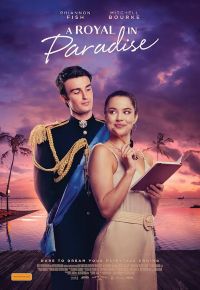
A ROYAL IN PARADISE
Australia, 2023, 90 minutes, Colour.
Rhiannon Fish, Mitchell Bourke, Cara McCarthy, David Hooley, Juan Fernando Monge, Andrea Moor, Dirk Hunter.
Directed by Adrian Powers.
This is one of the many films produced by Nicely Studios, Steve Jaggi Entertainment, Brisbane-based, filming in Queensland. And the many films are romances. Often, they begin in the United States, a reason for the central character travelling to Australia, some awkwardness, some falling in love, happy endings…
This particular film could be considered a combination of Hallmark television movies and Mills and Boon books. It has all the ingredients, the audience knowing every step of the way, enjoying how it works out.
But, for those who don’t want the whole narrative to be played out according to expectations, too sweet and obvious.
Rhiannon Fish plays Olivia, a successful author, Mitchell Bourke plays Alexander who has read her book and encounters her in a New York bookshop. Her boyfriend of six years breaks up with her, hurting because she also has writer’s block and a deadline, and has booked a holiday to the Haven Isles (standing in for the islands off the Queensland coast, the Barrier Reef).
Olivia goes with her good friend for the holiday, encounters the former boyfriend treating his new girlfriend the same way, concentrating on business and being busy. Then we learn that Alexander is the Crown Prince of a fictitious country, Torovia, frequently visiting the Haven Isles with his father when he was young, a great concern about conservation of the oceans. He is pressurised by his rather severe mother, controlling his life, even having her close adviser on the island spying on him and giving her information.
Then, the happy romantic sequences, Olivia and Alexander together, her not knowing that he is a Prince, both falling in love. And his assistant is attracted to Olivia’s friend and vice versa. And the Queen as I should be out I should be out that s spy on the phone with information.
Just as the Prince is going to tell the truth, a phone call from his mother and everything revealed, Olivia upset.
Then, the audience waiting for the apology, the reconciliation, Olivia writing the Princess’s speech for a fundraising occasion, possibilities…
The Queen Mother, of course, turns up herself for the ceremony, is very blunt with Olivia about her unsuitability to be the wife of the king, advising her to give him up if she loves him. She does…
She finishes the book, the story of what she had experienced, the publisher happy, then, suddenly the Prince turning up, then the Queen herself and the adviser, and the point that in the 21st-century, children have to make their own decisions without pressure from their parents.
All the popular ingredients served up with charm, some snorkelling in the barrier reef, some social occasions, dresses and fashion… And a popular response that meant that there was not only a sequel but two sequels!
Grande Spirito, Il
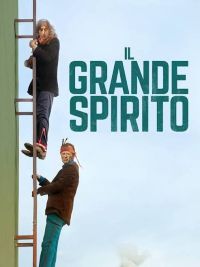
IL GRANDE SPIRITO/THE GREAT SPIRIT
Italy, 2019, 113 minutes, Colour.
Sergio Rubini, Rocco Papaleo, Bianca Guaccero, Ivana Lotito.
Directed by Sergio Rubini.
Italian writer-director, Sergio Rubini, has had a long and successful career.
In this film, he plays a thief, Tonino, involved in a robbery with several accomplices, the setting is the industrial city of Taranto. Tonino takes the loot from the robbery, is chased by his accomplices, hiding in the upper floors of the building, and a siege, trying to get help from a former partner.
But, the difference from any other robbery and siege film is that the inhabitant of the upper story is a man who believes that he is a member of the Sioux nation, behaving like a native American, dressed like a native American.
In strange ways, the two men bond, an opportunity for the man with The Great Spirit to exercise that Spirit, the thief, not exactly repenting, but seeing more possibilities in life and changing for the better.
For fans of Italian cinema.
- A variation on a gangster and crime theme?
- City of Taranto, the streets, buildings, interiors, industrial, crime, atmosphere? The musical score?
- The title, the character of Renato, his mental state, his thinking that he was a native American Indian, his awareness of the Great Spirit? His bearing, his head scarf, behaviour, Indian traditions and dancing, spirituality and the role of the spirit?
- The setup, the robbery, the members of the gang, the robbery going wrong, the attitude towards Tonino, Lookout, nickname of Poodle, their ridiculing him? The plan to robbery, the absence of the owner, his sudden return, Tonino warning, the melee, on Tonino taking the bag and fleeing?
- The camera work of the long chase, over the roofs, the buildings… The pursuit? Tonino and his escape?
- The encounter with Renato, observing, not talking, giving the binoculars, the bonding, helping, Tonino and his injury, the Indian treatment and recovery? The binoculars and watching the behaviour of the criminals? The rival gang, the further brawling? Everybody against Tonino, to recover the money and jewels?
- In the warehouse, with the bag, the loader coming in, offloading, covering the bag, Tonino desperate, trying to dig it out?
- The drama of the relationship between the two men, Renato seeing Tonino as Mr Destiny? And move to help him? The two personalities, Tonino and his despising Renato at first, using him, relying on him, wanting him to dig out the bag?
- The background of the building, Teresa, her husband and children, prostitution, seeing Tonino, the confrontation, his promise of money, her silence? The visitors, wanting reconstruction of the building? The documents and discussion with Renato, his mental state, for him to go back to an institution?
- Renato and his help, Tonino tearing up the institution documents? The recovery of the bag, Tonino and his escape?
- Renato, the attack, his death, Tonino covering him with the Native American cloth?
- Teresa, with the children, finding the money and the watch, a happy future?
Wedding Banquet, The
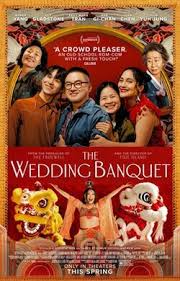
THE WEDDING BANQUET
US, 2025, 103 minutes, Colour.
Lily Gladstone, Kelly Marie Tran, Bowen Yang, Han Gi-chan, Joan Chen, Youn Yuh-jung.
Directed by Andrew Ahn.
This 21st-century film is a remake of the 1993 The Wedding Banquet, written by Ang Lee and James Schamus, directed by Ang Lee, leading to his very successful international career including two Oscars as Best Director, for Brokeback Mountain and Life of Pi. James Schamus collaborated with the current director, Andrew Ahn, for the screenplay of this remake.
The setting is Seattle and a focus on two couples, both gay, two women living together and preparing for surrogacy, two men, one of whom is Korean. At this level, the film is a romantic comedy.
But, the Korean young man, wanting to stay in the United States, receives family pressures that he should join the family business back home and that he should marry. With the imminent arrival of the Korean matriarch, the four suddenly have to go into different mode, setting up the households is as if they were to conventional couples.
There is a drama in the effect on each of the characters given this cross situation. And, there is plenty of opportunity for comedy of errors.
There is comedy with the Korean matriarch, deception, but eventual truth telling, the four turning up at the local offices, weddings planned but spouses finally interchanged leading to happy endings.
- The impact of the 1993 original film? Marriage and different cultures? The issue of same-sex orientation, relationships, marriage, children and family? Reinterpreted for the 2020s in the US?
- The Seattle settings, the city, homes, families, socials, restaurants, weddings, City Hall? The musical score?
- The introduction to the characters and their relationships, Lee, her age, background, relationship with Angela, Angela and her career? The issue of IVF, lack of success, expenses? Love, tensions? Angela and her relationship with her mother, her mother dominating, her causes and groups?
- Chris and Min, the long relationship, each of the characters, together, Min and his student status, visa expiry, proposing marriage, Chris and his reactions, uncertain, refusing? Chris and his highly emotional character?
- The situation, Min and the proposal, engagement to Angela, the Korean background, the grandmother, the communications, the family business, expectations, the grandfather? Her suddenly arriving in Seattle?
- The proposal, the situation, the truth for the grandmother, her own story about arranged marriage, her demand for the elaborate ceremonial wedding, Korean for style, the benefit of the grandfather?
- The elaborate wedding, the banquet, the rituals, participation, Angela, her being sick?
- The aftermath, Chris and Angela, the drinking, the night, the pregnancy?
- The consequences, Lee, Min paying for the IVF, the reaction to Angela, leaving?
- Chris, his cousin, getting support, Min, these are?
- Going to the city office, the quick four weddings, Angela and Min, the change of heart, the two couples marrying? The grandmother present?
- The aftermath, the couples together, the two babies in the family?
Three Hats for Lisa
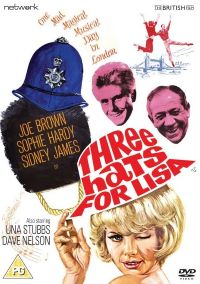
THREE HATS FOR LISA
UK, 1965, 99 minutes, Colour.
Joe Brown, Sophie Hardy, Sidney James, Una Stubbs, Dave Nelson, Peter Bowles, Eric Barker, Seymour Green, Josephine Blake, Jeremy Lloyd.
Directed by Sidney Hayers.
This is very much a film of its times, the colourful swinging London of the mid-1960s. But now it looks very, very dated.
However, one reason for looking at it now is that it provides something of a treat for Sid James fans. Once again, he gives a typical performance as a cab driver. However, this is a musical, quite a lot of songs and dances, and here is Sid James, both singing and dancing! He is certainly worth a look, more versatile than we might imagine.
The star of the film is Joe Brown, popular singer of the period – but, not exactly an appealing screen character, rather more “in your face” than we might have liked. His singing voice resembles that of the popular Cliff Richard, and this film is something in the vein of the Cliff Richard musicals like Summer Holiday.
Three Londoners spend the day taking an Italian film star around London, she wanting to steal three hats to complete her collection! She is played by French actress, Sophie Hardy. The other two on the day out are played by Una Stubbs and Dave Nelson.
But, there is Peter Bowles, a decade before To the Manner Born, very much overacting. On the other hand, there is a good cameo by comedian, Eric Barker, at the police station. Actor and writer, Jeremy Lloyd, is also there.
The surprise is that the music is by Leslie Bricusse, Oliver, Stop the world… There is a lot of exuberance but not so much more. And, he co-wrote the screenplay with Talbot Rothwell who, at this time, was writing all the Carry on films. It is not his greatest screenplay either.
There is quite a lot of song and dance, round different venues in London, lots of workers, passers-by, all joining in. Fans of West Side Story may notice the resemblance of many of the dance routines, especially with the male dancers, to the choreography of the classic musical.
Spoiler: Lisa does eventually get her three hats!
My Mother's Wedding
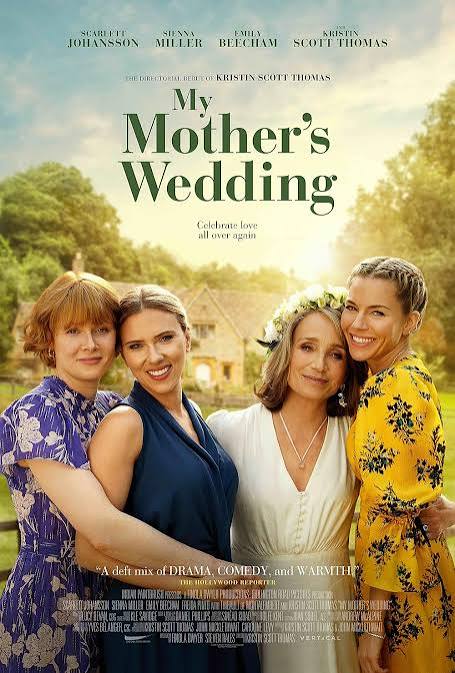
MY MOTHER’S MARRIAGE
UK, 2023, 95 minutes, Colour.
Scarlet Johansson, Sienna Miller, Emily Beacham, Kristin Scott Thomas, James Fleet, Freida Pinto, Fflynn Edwards, Samson Kayo.
Directed by Kristin Scott Thomas
It is a surprise to find that Kristin Scott Thomas not only co-wrote and starred in the film but also directed it. While there is a final caution that it does not refer to actual characters, there is a tribute at the end of the film to Kristin Scott Thomas’s two fathers.
The film starts on rather bright and breezy tone, not exactly the world of Kristin Scott Thomas’s films. Three adult daughters are introduced, the prospect of their mother’s unexpected remarriage (the two fathers of the daughters died very young on active service and have been idealised by the daughters).
Scarlet Johansson plays a naval officer being promoted to captain of a battleship. Sienna Miller is a glamorous star in Hollywood being interviewed on television. Emily Beacham is rather low-key, married, two daughters. Kristin Scott Thomas plays their mother, marrying a longtime friend, played by James Fleet.
The daughters have varied reactions to their mother’s wedding, but arrive, meet the rest of the family and guests and the wedding proceeds.
Then the film takes a much more serious tone, more in keeping with the expectations of Kristin Scott Thomas. The three daughters have a long session on the night of the wedding, raising so many memories of the past, some mutual recriminations, challenges. The next morning, their mother commands that they visit the gravesites of their fathers. There follows a very serious scene, the challenge of their mother, explaining that their fathers were two young men, with their limitations, but admirable in their service and early deaths. And the issue of taking the names of the successive fathers, revealing some complexity in the childhood attitudes of their father’s surname. The mother speaks a lot of sense to the three women.
The film ends with the naval captain welcomed on board, the family watching. (There is a problem that the captain has been in a relationship with Jack, Frieda Pinto, for 10 years, their having a son but Jack now pregnant trough surrogacy) The actress has to come to terms with her life and relationships. The wife learns of the betrayals by her husband and evicts him.
Which means that the film ends up being much more thoughtful than might have an have been anticipated with the wedding sequences.
- Kristin Scott Thomas, cowriting the screenplay, directing, performance, her personal memories, the final credits and the acknowledgement of her two fathers?
- The title, the focus on the wedding, introducing the characters, the ceremony, the aftermath? The move to the more serious interactions with the daughters? Facing up to family crises?
- The animation throughout the film, sketch style, from Katherine’s it perspective, her relationship with her father, the stepfather, her mother, nostalgia – and having to let go?
- Introduction of the three daughters, Katherine, Navy, age and experience, promotion, memories of her father, stepfather, their both dying young in action, the issue taking their names or not, 10 years relationship with Jack, Marcus and her relationship with her son?
- Victoria, the film star, glamour, the television interview, personal touches, her sisters watching, their reactions?
- Georgina, the youngest, stepsister, quiet, her husband and the revelations about his infidelities, her children?
- Diana, getting married, her love for Geoff, his being quiet, personality, supportive? Her two husbands, their early deaths? Her relationship with her daughters? Grandchildren, other members of the family?
- The marriage itself, the gathering, getting ready, the ceremony? The reception, celebration, everybody participating?
- The evening, the film turning serious, the discussions amongst the three sisters, the relationship, love, irritations, memories of their respective fathers, their idealising them? Katherine and Jack telling her of the surrogacy and her being upset? Victoria and her relationships? Georgina and the infidelity of her husband? The reactions, the consequences?
- The episode of the boy in the tree, the calling of the fire brigade, Geoff and his help, the variety of reactions?
- The next morning, the aftermath of the daughters talking? Katherine and her son, his gift of the ring, her having to go back to the ship?
- The episode at the grave, Diana and her stern talking to her daughters, sense of realism, admiration of the two husbands, but acknowledging their limitations, dying young, heroism, the daughters idealising them, the issue of the names, the role of Katherine and keeping her father’s name, Victoria and her reaction, the truth about Diana relying on Katherine? Georgina and her ousting her husband? Victoria, relationships, future?
- Going to the ship, the ceremonial entry of the Captain, the parade, the crew, Katherine in charge, the family watching, the reconciliation with Jack and the kiss, Marcus and proud response to his mother, Diane and her response – and the elderly man at the reception and Katherine watching him leaving the car, letting go of the past, facing the present and future?
Death of Robin Hood, The
THE DEATH OF ROBIN HOOD
UK, 2026, 122 minutes, Colour.
Hugh Jackman, Jodie Comer, Bill Skarsgaard, Murray Bartlett, Noah Jupe, Faith Delaney.
Directed by Michael Sarnoski.
There has been a long, merry tradition of Robin Hood, robbing the rich and giving to the poor, happy days in Sherwood forest, Maid Marian, clashes with the Sheriff of Nottingham, Guy of Gosborne…
But in the opening of this film, an old and grizzled Robin Hood, a believable performance by Hugh Jackman, puts aside all these stories as myths, stressing that reality in the 13th century was much different. In fact, the stories here were used as a basis for the 1976 film of Robin Hood in old age, Sean Connery and Audrey Hepburn, Robin and Marian.
But, this version is starker, harsher. After the wiping away of merry presuppositions, there is a sequence of a young woman, wanting vengeance on Robin Hood, attacking him in the desolate mountains, her death. In fact, the first part of the film is very grim, violent re-enactments of Robin Hood, murders, robberies, torture. He is definitely an outlaw, no hero. Then he encounters Little John, who also has a different story, his settling down, family, but in trouble with usurpers, now calling on the aid of his friend.
More violence, an attack on the house, some graphic killings (as with arrows through eyes), but the older men wounded, Little John’s daughter, Margaret, surviving.
The latter part of the film, leading up to Robin Hood’s death, has him encountering a leper (Murray Bartlett) who urges him to go to an island presided over by a prioress, Bridget (Jodie Comer). She is a widow, looking after a range of children, made more genteel, apparently, then the original stories where she is something of a sorceress.
This changes the mood of the film, Robin Hood recovering, caring for Margaret, especially training her to make bows and for her arrows, hunting for food for the community, the outlaw having time to think back about his past, reliving his brutal crimes, consider some kind of repentance and redemption, having done something good for Margaret, and allowing the prioress to lead him, not to recover health, but a letting go of his past, the death of Robin Hood.
- The title and expectations? Popular mythology over the centuries? The movie traditions?
- The sources and stories, the grim aspects of the Robin Hood legend?
- Filmed in Northern Ireland, the rugged landscapes, the mountains, valleys and rivers? The island and its landscapes? The musical score, the instruments, the ballad?
- The immediate initial explanations, dispelling the mythologies about Robin Hood? The Middle Ages, the violence, outlaws, victims, the robbing the rich, a violent society?
- The opening, the young woman, hungry, travelling, getting help, seeing the fire, the encounter with the stranger, her vengeance against Robin, his killing her?
- The first part of the film, the visualising of the fighting, weapons, close-up of violent deaths? Impact, in the context of Robin Hood?
- Hugh Jackman as Robin Hood, in old age, Haggard yet strong, his reputation, the violence, killings, victims, robbing?
- The encounter with Little John, the mythology of Little John, the reality, accompanying Robin, the violence? His story, retiring, marrying, his daughter? The usurping family, his wanting vengeance?
- The attack on the family, the continued violence, executions? Youngsters, the shooting of the arrows, through the eye? The family, the attack on Little John? His daughter, trying to save her?
- Hendrie, the boy, trying to warn others, Robin shooting him, his getting through, his death?
- The injuries, Little John, Robin, the household, the surrounding countryside?
- There getting to the island, Brigid, as prioress, her own story, the death of her husband, the change from an evil prioress to a sympathetic prioress? Her leadership on the island, the range of youngsters, happy, playing?
- Robin, his being tended to, the encounter with the leper, moving to the island, the care, Brigid? The truth about her husband? Robin and his helping, the scenes of hunting, Margaret helping?
- Brigid, as a personality, religious, married, sexual longings, care?
- Margaret, on the island, her personality, the trauma, adapting, a reliance on Robin, becoming something of a father figure?
- The sequence with the leper, the discussions about Guy in Lisbon, enemy Robin, the leper revealing that he is guy, keeping it secret from Margaret, his wounds, death sequence?
- Arthur, with Robin, to the mainland, after admitting he is from Hendrie’s family?
- Robin, mellowing, acknowledging his violent career, beginnings of regrets, some repentance, the possibility of salvation? Through Brigid? Through Margaret? Brigid and the bloodletting?
- The background of making bows and arrows, the material, the curve, the strength, the tension? Robin teaching this to Margaret, training her, her skills and accuracy?
- The bloodletting, Robin revealing the truth to Brigid, her memories and the story of the slaughter? But her grateful attitude towards her new life on the island? Robin persuading her to continue the bloodletting until he dies?
- Coming to his death, looking back over his life, the dream of John, acknowledgement, regrets, the help from Margaret, the final bow and arrow and her shooting?
- A re-assessing of the Robin Hood legends?
Cruel Intentions 3
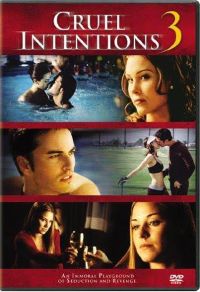
CRUEL INTENTIONS 3
US, 2004, 83 minutes, Colour.
Kerr Smith, Christina Anapau, Nathan J Wetherington, Melissa Yvonne Lewis, Natalie Ramsey, Tom Parker.
Directed by Scott Ziehl.
The Sony site synopsis:
Meet Cassie (Kristina Anapau, Cursed), Jason (Nathan Wetherington, 'the It Factor ) and Patrick (Kerr Smith, The Forsaken), three amoral college students who, through a series of sexual wagers, take malicious pleasure in ruining the lives of their fellow classmates. Bored with such easy prey, Jason and Patrick agree to one final bet, a winner-take-all game of seduction and revenge, where Cassie is the grand prize and the loser is imprisoned for life.
This is an ugly film with glamorous -looking characters. It takes up the theme of manipulation, bets, sexual predators, based on the classic Les Liaisons Dangereuses, adapted many times but, especially, in 1999 with younger characters, as Cruel Intentions.
The core of the ugliness of the film is seeing young adults, with so much potential for their lives, caught up in this kind of sexual manipulation and exploitation.
First Light

FIRST LIGHT
Philippines/Australia, 2025, 118 minutes, Colour.
Ruby Ruiz, Kare Adea, Maricel Soriano, Emanuel Santos, Soliman Cruz, Rez Cortez.
Directed by James J. Robinson.
First Light is a film with strong Catholic characters and themes.
James J. Robinson does not exactly sound like a Filipino name. However, he is of Filipino and Australian descent, a photographer, filmmaker, remembering his Catholic upbringing and reflecting on it through this drama. The film is a Filipino-Australian coproduction, with finance from Screen Australia and the Melbourne International Film Festival.
At the centre is Sister Yolanda, the sympathetic performance by popular Filipino actress, Ruby Ruiz, a long time living as a nun, in community but with an apostolate that has her going out to hospitals, homes, a comforting presence to the wide range of people she meets. She is cheerful, caring, and, for the audience of the film, very likeable. Her community has adapted to the times, strong community life, the support of superior, meals and prayer together, but an outreach at any time for those in need.
In fact, the sisters are in need themselves because they are living in one of the oldest convents since the Spaniards arrived in the Philippines and it is in dire need of repair. That is the concern of the local priest, friendly but concerned with the practicalities of parish life, the sacraments and business management and fundraising.
At one stage, a grieving man whose son has been injured on a highway construction site is allowed to die, refused medical and surgical help to cover up investigations about the business and the work, tells Sister Yolanda that she is truly a person of God and not just person of the church.
The complication is that Sister Yolanda has been visiting daily the mother of a wealthy woman whose husband is in charge of the construction site. The old lady is on life support, her daughter arguing that the death of the young man injured is a sacrifice necessary for the betterment of the whole community because of the new highway.
Sister Yolanda is also ill, goes to visit the place where she grew up with her loving mother, the caretaker still there and reminiscing with her. As she thinks about her future and her death, remembering her life, she sees the image of light as well as rain falling on the water and becoming one with it.
The film offers interesting perspectives on life in the Philippines, the different social classes, the role of the Catholic Church – but a wonderful portrait of a self-giving nun.
- The director, Australian/Filipino background, education in Australia, exploration of his Filipino roots, photographer, Catholicism? Dedication to his aunt?
- The contemporary Filipino setting, the landscapes, the mountains, rice fields, the town, the new highway, the homes of the workers, the mansion of the wealthy, the church, the Spanish religious tradition, the missions, the convent, 400 years old and decaying, the nun’s community, the outreach? The musical score?
- The title, images of light, the dawn, candles, blackouts, the symbols of light for the sisters?
- The opening, the atmosphere, darkness, candles, the nuns, helping each other, the explanation of the convent, its age, the flooding with the rain, the need for buckets, batteries for the electricity? The priest, motorbike, examining the building, his interventions?
- Audience response to Catholicism throughout the film, for Catholics, for Christians, for non-believers? And the sponsorship by the Australian producers?
- The focus on Sister Yolanda, a credible character, her age, gradual revelation of her illness, her place in the convent, her training for Sister Arlene, going out by herself, on the jeepney, getting lifts, visit to the hospital, meeting patients, their giving gifts of appreciation, her visit to the
- Dela Cruz family, the old mother on life support, the wealthy daughter and her concern, the maid and Yolanda’s offer of help, passing the gift fruit then later finding it in the garbage? The continued visits to the lady?
- Life in the convent, the older sister, the background of seeing ghosts in the forest, sharing the room? The superior, her concern, managing the community? In the church, singing in the choir?
- Yolanda, her memories of her grandmother, her later visiting the property, meeting the old man, sharing the stories, the story of the clothes all blowing away, her memory and the laughter with her grandmother? Illness, sleeping on the ground? The old man’s concern for her health?
- At the hospital, Angelo, the accident on the new freeway site, the doctors and nurses standing back, the police officer present, the other nurses, Yolanda arriving with Sister Arlene, Arlene and her having to leave, Yolanda, getting the oils and the Bible, anointing the young man, his fear of death, the mystery of the doctors moving away, Yolanda helping, his death? His father’s arrival, the policeman keeping him out?
- The father, on the jeepney, meeting Yolanda again, the discussion about the funeral, the parish priest not accepting him, too busy, Yolanda interceding with the priest, his dismissal that they were not part of the parish, the parishioners would not appreciate their coming in and taking up the time, the reality of the actual wake, Yolanda and Arlene driving, the welcome, sharing, the news that everything had been financed by the Dela Cruz family, the role of the policeman?
- Yolanda and the discussion with Mrs Delacruz, the explanation for stopping the surgery, allowing the man to die, the new freeway project, the benefit of all, the sacrifice of one individual for the benefit of the community? Yolanda and her reaction? The later visit to the site of the freeway, overcome?
- Yolanda, the role of nuns, Angelo’s father saying she was a person of God rather than a person of the church? Her gospel values, simplicity, the flexibility of the 21st-century regime in the convent? Allowing Yolanda greater freedom to visit? The discussions with the superior, the superior’s concern about Yolanda?
- The priest, busy, intervening with the building of the convent, his comment about sacraments and fundraising being the most important, for the parishioners, getting the finance for the convent? At the baptismal ceremony, the photo, wearing the cope? The clericalism, exclusive, his being seen with the family, the financial repercussions for the parish, for prosperity in the region through the building of the new freeway? Finally, that the old lady’s funeral ceremony, the black cope? The film’s critique of the clerical attitude of the priest?
- In the sacristy, preparing the mass booklets, Arlene. the conversation, the background of her family, motivation for joining the convent, her walking, sharing Yolandas ministry, deciding to leave, Yolanda’s wise advice about finding herself rather than training to be a known?
- The finale, Yolanda at the back of the church, staying in, the possibility of going out, her moving to the side towards her death, the final image of the hearse open at the back of the church? Yolanda’s image of heaven, the rain falling into the ocean and being absorbed into something greater?
