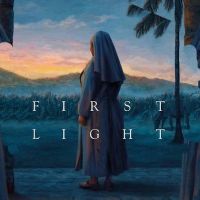
FIRST LIGHT
Philippines/Australia, 2025, 118 minutes, Colour.
Ruby Ruiz, Kare Adea, Maricel Soriano, Emanuel Santos, Soliman Cruz, Rez Cortez.
Directed by James J. Robinson.
First Light is a film with strong Catholic characters and themes.
James J. Robinson does not exactly sound like a Filipino name. However, he is of Filipino and Australian descent, a photographer, filmmaker, remembering his Catholic upbringing and reflecting on it through this drama. The film is a Filipino-Australian coproduction, with finance from Screen Australia and the Melbourne International Film Festival.
At the centre is Sister Yolanda, the sympathetic performance by popular Filipino actress, Ruby Ruiz, a long time living as a nun, in community but with an apostolate that has her going out to hospitals, homes, a comforting presence to the wide range of people she meets. She is cheerful, caring, and, for the audience of the film, very likeable. Her community has adapted to the times, strong community life, the support of superior, meals and prayer together, but an outreach at any time for those in need.
In fact, the sisters are in need themselves because they are living in one of the oldest convents since the Spaniards arrived in the Philippines and it is in dire need of repair. That is the concern of the local priest, friendly but concerned with the practicalities of parish life, the sacraments and business management and fundraising.
At one stage, a grieving man whose son has been injured on a highway construction site is allowed to die, refused medical and surgical help to cover up investigations about the business and the work, tells Sister Yolanda that she is truly a person of God and not just person of the church.
The complication is that Sister Yolanda has been visiting daily the mother of a wealthy woman whose husband is in charge of the construction site. The old lady is on life support, her daughter arguing that the death of the young man injured is a sacrifice necessary for the betterment of the whole community because of the new highway.
Sister Yolanda is also ill, goes to visit the place where she grew up with her loving mother, the caretaker still there and reminiscing with her. As she thinks about her future and her death, remembering her life, she sees the image of light as well as rain falling on the water and becoming one with it.
The film offers interesting perspectives on life in the Philippines, the different social classes, the role of the Catholic Church – but a wonderful portrait of a self-giving nun.
- The director, Australian/Filipino background, education in Australia, exploration of his Filipino roots, photographer, Catholicism? Dedication to his aunt?
- The contemporary Filipino setting, the landscapes, the mountains, rice fields, the town, the new highway, the homes of the workers, the mansion of the wealthy, the church, the Spanish religious tradition, the missions, the convent, 400 years old and decaying, the nun’s community, the outreach? The musical score?
- The title, images of light, the dawn, candles, blackouts, the symbols of light for the sisters?
- The opening, the atmosphere, darkness, candles, the nuns, helping each other, the explanation of the convent, its age, the flooding with the rain, the need for buckets, batteries for the electricity? The priest, motorbike, examining the building, his interventions?
- Audience response to Catholicism throughout the film, for Catholics, for Christians, for non-believers? And the sponsorship by the Australian producers?
- The focus on Sister Yolanda, a credible character, her age, gradual revelation of her illness, her place in the convent, her training for Sister Arlene, going out by herself, on the jeepney, getting lifts, visit to the hospital, meeting patients, their giving gifts of appreciation, her visit to the
- Dela Cruz family, the old mother on life support, the wealthy daughter and her concern, the maid and Yolanda’s offer of help, passing the gift fruit then later finding it in the garbage? The continued visits to the lady?
- Life in the convent, the older sister, the background of seeing ghosts in the forest, sharing the room? The superior, her concern, managing the community? In the church, singing in the choir?
- Yolanda, her memories of her grandmother, her later visiting the property, meeting the old man, sharing the stories, the story of the clothes all blowing away, her memory and the laughter with her grandmother? Illness, sleeping on the ground? The old man’s concern for her health?
- At the hospital, Angelo, the accident on the new freeway site, the doctors and nurses standing back, the police officer present, the other nurses, Yolanda arriving with Sister Arlene, Arlene and her having to leave, Yolanda, getting the oils and the Bible, anointing the young man, his fear of death, the mystery of the doctors moving away, Yolanda helping, his death? His father’s arrival, the policeman keeping him out?
- The father, on the jeepney, meeting Yolanda again, the discussion about the funeral, the parish priest not accepting him, too busy, Yolanda interceding with the priest, his dismissal that they were not part of the parish, the parishioners would not appreciate their coming in and taking up the time, the reality of the actual wake, Yolanda and Arlene driving, the welcome, sharing, the news that everything had been financed by the Dela Cruz family, the role of the policeman?
- Yolanda and the discussion with Mrs Delacruz, the explanation for stopping the surgery, allowing the man to die, the new freeway project, the benefit of all, the sacrifice of one individual for the benefit of the community? Yolanda and her reaction? The later visit to the site of the freeway, overcome?
- Yolanda, the role of nuns, Angelo’s father saying she was a person of God rather than a person of the church? Her gospel values, simplicity, the flexibility of the 21st-century regime in the convent? Allowing Yolanda greater freedom to visit? The discussions with the superior, the superior’s concern about Yolanda?
- The priest, busy, intervening with the building of the convent, his comment about sacraments and fundraising being the most important, for the parishioners, getting the finance for the convent? At the baptismal ceremony, the photo, wearing the cope? The clericalism, exclusive, his being seen with the family, the financial repercussions for the parish, for prosperity in the region through the building of the new freeway? Finally, that the old lady’s funeral ceremony, the black cope? The film’s critique of the clerical attitude of the priest?
- In the sacristy, preparing the mass booklets, Arlene. the conversation, the background of her family, motivation for joining the convent, her walking, sharing Yolandas ministry, deciding to leave, Yolanda’s wise advice about finding herself rather than training to be a known?
- The finale, Yolanda at the back of the church, staying in, the possibility of going out, her moving to the side towards her death, the final image of the hearse open at the back of the church? Yolanda’s image of heaven, the rain falling into the ocean and being absorbed into something greater?
