Displaying items by tag: Andy Samberg
Zootopia 2
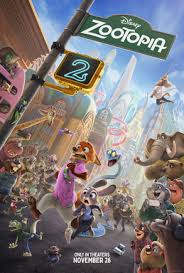
ZOOTOPIA 2
US, 2025, 108 minutes, Colour.
Voices of: Ginnifer Goodwin, Jason Bateman, Idris Elba, Ke Huy Quan, Andy Samberg, David Strathairn, Patrick Warburton, Danny Trejo, Bonnie Hunt, Don Lake, Alan Tudyk, Shakira.
Directed by Jared Bush and Byron Howard.
Hard to believe that it is nine years since the release of Utopia stop it, it has been kept alive by television and streaming. Eager anticipation for a sequel.
And, it takes a with the original finished, and officer is more of the same, thoroughly entertaining – and enough enjoyment for the children with the animals and their antics, enough for the adults with the story, the homage to various movie conventions, and smart dialogue.
As can be seen from the title, this is a wonderful society, living in harmony, a real Utopia for the animals. However, the animals are completely anthropomorphic, mirroring their human counterparts exactly. And this is where the message comes in, despite the difficulties, if animals can live in Zootopia, why can’t humans overcome bigotry, racism, fear, and create a human Utopia?
Once again, here is the young rabbit, Judy, who with her partner, Nick, has solve the case and they have become police celebrities since Utopia, and voiced excellently by Ginnifer Goodwin. And with Nick (once again Jason Bateman at his best), they have proven themselves – but a more difficult case looms and Judy is determined to solve it, the preferring to stay home! Their boss is a rather large, dark, ox police chief, voiced by Idris Elba.
There is quite a lot of banter this time between Judy and Nick, she over-eager, he over-reluctant. But, there is a mystery to be solved, a police case to be investigated and Judy is determined to triumph, forcing Nick (forcibly) along the way.
At first, some misunderstandings, especially in an automatic aversion to snakes. However, the snake is not the villain but rather a hero, a quest to find the document of his grandmother which says that snakes have a rightful place in’s Utopia. However, they have been excluded, and the villains a family of lynxes.
so, on the one hand, this follows the routines of the familiar police partnerships. On the other hand, there is the sinister family, rather mafioso like, and a whole lot of dangerous action and survival in some quite exotic landscapes, snow, cliffs, top of mountain resorts…
And, as with the first film, a lot of smart dialogue, plenty of puns (getting information from Zoogle, watching Ewe Tube), with perilous situations and romantic confessions and apologies.
Quite a number of new voice talent including Oscar-winner,Ke Huy Quan, and veterans Andy Sandberg, David Strathairn (as villainous brothers) and exuberant seen from Shakira.
The dialogue is very entertaining, often very witty, enjoyable with the parallels with human experience, the echoes of the movies, the to and fro banter between Judy and Nick. (This reviewer noted in the 2016 review: “If the makers can come up with another ingenious plot and smart dialogue, Zootopia 2 would be welcome”.
Yes, definitely welcome.
1. Acclaim for the film, popularity, ages, different cultures?
2. The animation, the characters, textures: skin, fur, clothes? Expressions? In action?
3. The strength of the voice cast?
4. The musical score, the final song, moods?
5. The different genres and conventions? Family stories, families, buddy cops, authority and government and corruption, Mr Big, science fiction, the Godfather, action? Homage – the touch of parody?
6. The animals, anthropomorphic? Voices, expressions? The young, the old, the parents? The hopes, achievement and ambitions? Police chief,, the detective, the police, the Mayor and the assistant, the victims of corruption, thugs, the godfather, the scientists, the guards?
7. The theme of predators and prey? In the past, savage, the biology? The title of the film? The prejudice, manipulation, criminals, bigotry, racism, sexism, and the importance of multi-cultural society and harmony?
8. The continuity with the original, the situation for Judy and Nick, with the police, the chief, the vain horse mayor, the other members of the staff? Reputation? Keeping the reputation?
9. The situation, the social Gala, Judy dressing up, Nick reluctant, forcing him to go, the mystery of the book, the snake seen as stealing the book, action and mayhem?
10. The revelation of the truth, sympathy for the snake and snakes, the villainous of lynxes, the sympathetic links and his help (and the shock of the later betrayal)?
11. Judy and Nick and the banter, her challenging him, her determination, his reluctance, the series of adventures?
12. The sympathetic snake, the family situation, the snakes exiled, the need to find the book, stealing, the adventures with the book, the family in pursuit? The message on the cover? The background story in the flashbacks? The grandmother and the document?
13. The range of adventures, locations, in the snow, climbing the mountain, the Honeyman resort, the quest, finding the document?
14. The vain horse, in the employ of the family, the buildup to the final confrontation, the betrayal of the brother, the authorities and suspicions of Judy and Nick, everybody coming together, working out the solution, the vindication of the snake family? The welcome return?
15. And the parallels with contemporary USA, power, wealth, bigotry, racism, the need for harmony?
Roses, The
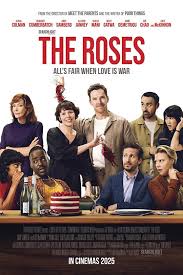
THE ROSES
UK/US, 2025, 105 minutes, Colour.
Olivia Colman, Benedict Cumberbatch, Kate MacKinnon, Andy Samberg, Ncuti Gatwa, Sunita Mani, Zoe Chao, Jamie Demetriou, Halla Finley, Wells Rappaport, Will Smith, Alison Janney.
Directed by Jay Roach.
Once upon a time, well 1989 anyway, the popular stars of such adventures as Romancing the Stone, Jewel of the Nile, Michael Douglas and Kathleen Turner, surprised everyone in the adaptation of Warren Adler is somewhat caustic novel, The War of the Roses. Not the 16th century between York and Lancaster, but a 20th century couple moving from love to enmity. Black comedy with some stinging challenge about marriage and relationships.
And now, 30 something years later, a new version, scripted by Australian Tony McNamara (who began in Australian television but has written screenplays including The Favourite, Poor Things and the series The Great). And it has an American director who has a very interesting career in both comedy and historical drama, ranging from the Austin Powers comedies and the Meeet the Parents comedies to the 2000 US election controversy in Florida, The Recount, and Sarah Palin and the 2008 election, Game Change, biography of black listed screenwriter Trumbo and Fox News scandals, Bombshell.
Added to this, the talent and versatility of stars Olivia Coleman and Benedict Cumberbatch, one-time Doctor Who, Ncuti Gatwa, and popular American comedians ateacKinnon and Andy Samberg.
In fact, while the opening of the film has the meeting between Theo and Ivy in London, he an idealistic architect, she a talent for cooking and a career as a chef, they soon move to California where the rest of the story takes place. In fact, the film was made completely in England, studios and the southern.
10 years pass, happy marriage, twin children, comfortable life – what could go wrong? Answer, practically everything!
Which means that most of the film is black comedy, a great deal of farce, lots and lots of bickering, insults, sometimes no holds barred, even at dinners with guests. A lot will depend on audience sympathies. Theo experiences an absolute architectural disaster which banishes him from his hopeful career, and makes him an at-home father. Ivy experiences great success, critics applause, an expanding empire of restaurants. Which means that underlying all this many themes of male and female roles at home, at work, rivalries, resentments, the effect on children…
And, while the dialogue is often black, bleak, highly ironic, often offensive, our laughter will depend on our sensitivities about these issues and where our sympathies lie.
While there are American comedians in supporting roles, they are something of a distraction, generally unnecessary and not so convincing in their interactions with Theo and Ivy.
But, brilliantly acted, Benedict Cumberbatch always interesting, Olivia Colman indicating that she can take on any role, The Roses is a mixture of amusing, offending, confronting…
- The title and expectations? A reinterpretation of the 1989 The War of the Roses?
- Comedy, satire, farcical situations, sharp dialogue, parody?
- Setting the scene, London, Theo and his architectural ambitions, Ivy and her cooking ambitions, their meeting, marriage?
- 10 years later, in the United States, Theo and his career as an architect, Ivy subduing her cooking talent, the twin children, Ivy at home, spoiling the children? Theo strict?
- The disaster, the storm, the destruction of Theo’s building? The contrast with Ivy’s success, the customers taking refuge, progress, the personalities of her staff, the food critic and his response? The consequences, Theo and his failures, unable to practice? Ivy, progress, increasing number of restaurants?
- The clash between the two, Theo depressed, jealousy of Ivy, Ivy and her success, enjoying it, dominant? The situation with Theo as the stay-at-home parent, his style and strictness with the children? Ivy feeling shut out? And the children, their scholarships, to Miami? Husband and wife at home, clashes? Attempt reconciliation, the visit to New York?
- The friends, Barry and Amy, Barry the lawyer, Amy and her flirtatious manner? The friends, the meals and discussions?
- The marriage counselling and the sardonic response? Ivy, her decision, the finance for the dream home?
- The years, the lavish detail of the home, the success of the home? Entertaining, Barry and Amy, the situation becoming more brittle, the dialogue at the meal table, scoring off each other? The prospects for divorce, Ivy and her sharp divorce lawyer versus Barry?
- The divorce conditions, Theo wanting only the house, Ivy refusing to give it to him? Her restaurants closed for health reasons? The tactics, the spite, the barbs, the farcical interactions? The signing of the papers, the full signature…?
- The exasperation, and finally each admitting that they do love each other, after the fight around the house, the destruction of the Julia Child stove?
- The ending, the reconciliation, the danger, explosive – and the screen turning to white?
- The use of farce and parody for satiric reasons? The film opting for farce and explicit insult and tactics rather than subtlety?
Lee
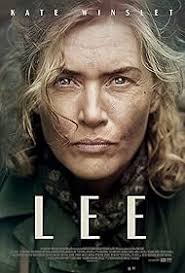
LEE
UK/US, 2024, 117 minutes, Colour.
Kate Winslet, Andy Samberg, Alexander Skarsgaard, Marion Cotillard, Andrea Riseborough, Noemi Merlant, Josh O'Connor, James Murray.
Directed by Ellen Kuras.
A film about a significant war corresponded, World War II. Lee was released at the time of the first anniversary of the Hamas attack on Israel, October 2023, world audiences seeing a year of invasion, bombings, destruction, Israel’s invasion revenge, the deaths of so many Palestinians followed by the bombings and invasion of Lebanon. Audiences worldwide depend on war correspondents and war photographers for these images and information. 2023-2024, more than 200 wounded and dying on the job.
Lee is Lee Miller, a one-time model, turned photographer, an American who spent a lot of time pre-World War II in France and travelling, developing her talents as a photographer, links with artists and French society. She is played by Kate Winslet, reminding us that for almost 30 years Kate Winslet has been a significant screen presence in film and television, multi-award-winning. As expected, this is a very strong and persuasive performance.
The film opens with some war action, Lee Miller, explosions, after the D-Day invasion. But, after showing her with her friends in France, the film moves to 1977, the older Lee Miller being interviewed by a young man, Josh O’Connor, about her war experiences, their examining a lot of the photo she took leading to flashbacks building up e herxperiences during the war years, and the device for returning to 1977 for some kind of break and, with some of the war experiences, some breathing space and relief for the audience.
Lee Miller went to London at the beginning of the war with artist Roland Penrose (Alexander Skarsgaatd). She offered her services for Vogue magazine, under the editorship of Audrey Withers (Andrea Riseborough). She was able to visit some camps, photograph service men and women, link up with David Scherman of Life Magazine (a surprisingly serious performance from comedian Andy Sandberg). The British would not employ her but, as an American, she worked with the American military, in action in San Malo, entering Paris when it was liberated, some harrowing sequences as she sought out her prewar friend and discovered their occupation experiences, also discovering the disappearance of so many thousands, especially Jews.
The most harrowing part of the film is when she and David travel from France through Western Europe to the German border, an experience of Hitler’s hideout (and the serious/comic episode with Hitler’s bath), and, most tellingly, the concentration camps, the trains with corpses, the prisoners in their pyjama-striped uniforms, Lee continually photographing, and especially the sadness, the pathos of the faces of the women and children who suffered.
There is an explanation of the interview sequences at the end, information about Lee Miller, the re-discovery of her photos in the 1970s, book, photo publication – and, as usual now in such films, many of the actual photos shown during the final credits along with the episodes from the film.
Important for memories of World War II. Important for the 21st-century, the number of wars, the war correspondent, their courage, sharing the up-close details of their experiences, dangers, deaths.
- Lee Miller? As a person, as a photographer, as a war photographer?
- The portrait by Kate Winslet, a long career, portraying variety of personalities? Awards? Embodying Lee Miller in the 1930s, in the 1940s and the war experience, the retrospective of 1977?
- Audience knowledge of Lee Miller, her work during the war, British Vogue not publishing her photos, American Vogue publishing them? After the war, the opinion in Britain that people should not be too disturbed? Her photos and memories in the attic? Her son finding them, writing the book, publication?
- The opening of the film, the war sequence in France, the dangers, the rescue? The sequence repeated later? Indication for the war correspondent?
- 1977, Lee being interviewed, audiences realising it was her son or not? The interaction between the two, the questions for Lee, his looking at the photos, the impact of the revelations for him? Her finally asking him questions, his growing up, her distance, that she was not a successful mother, memories of his father, the discovery of the photos, the impact on him? The final glimpse, looking out the window, turning, and her not being there? Information about her death?
- The 1977 sequences as a framework for the flashbacks? And as some relief for the audience immersed in the war experiences, the interview sequences as moments for a breather and relief?
- Lee, a model, her career, her French friends, in France, on the coast, the holidays together, Lee taking local photos, atmosphere of the 30s, freedom of expression, comfortable nudity? The discussions about Hitler, but not expecting his victory? The situation for France? For Britain? The company, Picasso and the artists? Atmosphere?
- Roland arriving, the initial interaction, painter, paint on his hands? Her analysis of his character? His analysis of hers? Up the steps from the beach? His invitation to come to London, the war, the blitz, the interview with Audrey at Vogue, the irritating presence of Cecil Beaton? Roland and his work, conscientious objector, camouflage? His moving away to location? Her signing up, photography, at the camp, the women’s quarters, the officer? Women being excluded? Her going into the briefing, disguise, the Colonel and his reaction? Eventually transferring her to France?
- Work at Vogue, the photos, the support of Audrey? The role of the magazine during the war? Lee and her contacts with Audrey during the war, the comfort of England compared with the war front, especially in liberated Paris, the discovery about the disappearing Jews, her friends, Solange disappearing, Lee finding her again and their talk? The emergence of Paul and his wife, Jews in hiding? The plane flying over and his poem been distributed? Emotional impact for Lee? Trying to communicate this to Audrey?
- The encounter with David, Life Magazine, his mirror shining the light on the women workers? Friendship, their bonding, in England, his access, her limitations, friendship with Roland, inviting him to stay at the house? His reminder that she was an American, the British refusing permissions, her getting American permissions? Their going to occupied France, the battle sequence and the dangers? The discovering the realities, the people in poverty, the young woman and her romance with a German, the hostilities of the locals, the later sequence of the women, the shaving of the heads?
- The various photos from France, the medical centres, the wounded, the doctors, the GI with his face masked in the photo?
- To liberated Paris, driving through, the exhilaration, the photos? Roland and his visit, wanting her to go back to London? His not appreciating what she had experienced?
- The bonding with David, the vehicle, driving through Western Europe, to the German border, Hitler’s house, their bribing their way in with cigarettes, the letter, the bath, the photo in the bath with Hitler’s picture? David and his wariness? His eventual weeping?
- The horror of the concentration camps, the arrival, the smell, the soldiers, the train, the carriage with dead decaying bodies, the bodies laid out, concentration camp clothes? The waiting with the cart with the bread? Lee following the woman, the group of women and children, the bread, the nervous little girl, photographed?
- London, the magazine, please photos not there, her angry confrontation of Audrey, her coming down, Audrey sending the photos to get Vogue America?
- 1977, Antony and his looking at the photos, the discussions with his mother, the impact of the war experience? The aftermath, his work with his father, the book, publication? His father’s death? The setting up of the foundation?
- The final credits, the actual photos, the information about Lee and her death, Roland, Antony?
- The film released in September/October 2024 at the time of the one-year anniversary of the Hamas atrocity in Israel, Israel’s response in Gaza?
