Displaying items by tag: Peter Malone's Movie Reviews
Face to Face 2010
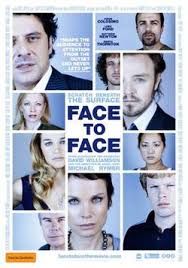
FACE TO FACE
Australia, 2011, 89 minutes, Colour.
Vince Colosimo, Luke Ford, Matthew Newton, Sigrid Thornton.
Directed by Michael Rymer.
A film that should interest all who are involved in disputes and conflict resolution – which means all of us.
David Moore, an Australian workplace consultant, has worked in the area for some years. The process of Community Conferencing was used in cases of youth justice: an offender, the person attacked, friends, relatives, employers and others were invited, and consented, to be part of the meeting where a facilitated discussion took place whereby members felt free to express themselves and the facilitator enabled responses to be made with an end to finding some kind of resolution. These conferences are also called ‘Restorative Justice Conferences’. Clearly this kind of mediation and communication can be more personally effective than courts and litigation. The potential is strong for workplace issues like harassment, for school bullying situations. It has potential for enabling restorative justice in organisations and in religious groups and churches.
Playwright David Williamson became interested in these processes and wrote three plays dramatising cases. David Moore interested director, Michael Rymer (Australian Film Institute winner for Angel Baby in 1995) in the plays and he adapted one of them for the screen and directed this film, Face to Face.
The screenplay takes advantage of the screen medium. While the main scenes of the film take place in the conference room (with plenty of possibilities for close-ups and for pacy cross-cut editing during interchanges), there are opportunities to go outside the room, for the audience to see episodes played out in fact (which gives the audience the advantage over the characters themselves, and the facilitator, because we see all episodes whereas the characters can only remember what they were involved in).
One of the main strengths of the film is David Williamson’s dialogue, realistic, sometimes rough and ready in an Australian expletive way. His skill in arranging the interchanges and confrontations so that audience sympathy shifts as we understand the character better, find that we were judging on appearances and, as the characters begin to realise, there are many factors in a conflict so that it is not simply a matter of ‘just clearing it up and getting an apology’.
In this case, drawn from actual notes, a young worker has crashed into the back of his employer’s car because he was angry at being fired. He is not an intelligent young man but he was happy with his job. We see the crash and are obviously sympathetic towards the company manager and his wife who sees the aftermath. (How would we feel if it happened to us?). However, as the mediation continues, all kinds of problems arise: the butt of jokes on a building site, racist slurs and the anger they incur, authorities knowing what was going on and not intervening; then there are the site problems, communications and issues of pay which sow discontent and give rise to anger and harassment; then there are the financial issues of people living beyond their means, envy; there are also relationship issues, within marriage and outside it. It is surprising how much material the film gets through in its not very long running time.
The acting is persuasive. We can believe that all the characters are real. They have enough solid Williamson dialogue to speak. They have blind spots and hostilities. But they are challenged to face them.
Of course, someone will say it is all very contrived. But, that is the point. It is a contrived process for justice. And it relies on the skill of the facilitator, both sympathetic and fair and firm. I think most audiences will be drawn into the dispute – not too far from some of our own experiences, and will be moved by the moments of resolution.
Matthew Newton is the facilitator and does a fine job of showing how it could be done. Luke Ford stands out as the young man with a short fuse, the target of workers’ jokes that have dire consequences. Vince Colosimo is believable as the boss (who, as he realises, has very few redeeming qualities). Sigrid Thornton is his long-suffering wife. An excellent group of character actors bring the proceedings alive: the young man’s mother, the foreman, the Arab worker (who came to the country aged eight but is still a target of jokes), the mousy accountant, the attractive PA, the young man’s best friend.
Always an interesting film. But, it should also prove a useful film for studying and discussion.
Devil Wears Prada 2, The
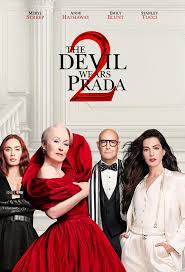
THE DEVIL WEARS PRADA 2
US, 2026, 190 minutes, Colour.
Meryl Streep, Anne Hathaway, Emily Blunt, Stanley Tucci, Kenneth Branagh, Justin Theroux, Lucy Liu, Tibor Feldman, B.J.Novak, Patrick Brammel.
Directed by David Frankel.
We all enjoyed the original film 20 years ago. What could happen in 20 years? What are they all like now? Has Meryl Streep’s Miranda mellowed in any way? And what about Andy and Emily, just beginning their careers in those days? Have they had success? And, the ever faithful Nigel. Is he still working for Runway?
As we launch into this enjoyable sequel, overcoming the two decade gap, the entity is mainly, yes. And it is still very much the same, Meryl Streep obviously enjoying this dominating and controlling personality, very much evident as she encounters Andy and Emily again, disdain, feigning not to know them and wonders have they ever met! But, the times are certainly changing. There are threats to Miranda’s dominance. (However, she now has a husband and, unseen in the film, twins – and the advantage of having Kenneth Branagh playing her husband.)
But, the success story is Anne Hathaway’s Andy, an award-winning journalist, and, during an award ceremony just before her acceptance speech, a text to tell her and her fellow-journalists that they are fired.
In fact, this is a strong theme of this sequel, the changes from 2006 to 2026 in terms of print media, magazines, online publication, social media, the struggle to find followers, the threats to traditional publications, challenges for the future. In this way, the film is rather pessimistic about journalism, outlook and future.
But, back to Alex, she is employed again by Runway, a feature writer, still put down by Miranda, encountering Emily once more, Emily Blunt, setting up some conflicts along with challenges to business models, corporation executives, and, with quite some flourishes towards the end at a fashion show in Italy, the management of the world of fashion.
There is also a scene in the Dominican Priory in Milan with Leonardo da Vinci’s Last Supper on the wall, as a location for a social event. (And a touch of inventiveness for the romance, Andy finding an Australian boyfriend, Patrick Brammel.)
Same writer, same director as before, and they bring the relish they had two decades ago to this sequel, not so surprising, of course, but old audiences welcoming the opportunity to see and engage with these characters again. And delighting a new audience.
- The popularity of the original film? 20 years? Continuity of the stars, age, 20 years later? Memories of the original characters?
- New York, the world fashion, publishing, business and corporations? International sequences, Milan, fashion, the catwalks, the visit to the Dominican priory and da Vinci’s Last Supper? The musical score?
- 20 years and changes in publications, social media, the role of journalists, reorganisations, sackings, online communications, articles, target audiences and success not? Attempts at revitalising journalism?
- The focus on Andy, with Miranda 20 years earlier, with Nigel, with Emily? As a success, a roving journalist, the initial awards ceremony, her win, the text of their all being sacked, her vigorous speech, Irv and his son and seeing it, the offer of the job, and the later revelation that Nigel urged him on? Her life, her good friends, sharing, the enthusiasm, going to Runway, the initial encounter with Miranda and Nigel, their not knowing, going to the meeting?
- Andy, after 20 years, success, relationships? The visit to the apartment, the encounter with Peter, Australian, friendly, her initial faux pas, meeting him again, dating conversations, his Australian direct personality? Her leaving for Milan, leaving him stranded?
- Miranda, over the years, her manner, remembering Andy and Emily, the touch of disdain, her success? The surprise to find she was married, her husband, pleasant, musician, past drinking, supportive? That she had twins and did not spend time with them? The dependence on Nigel, taking him for granted? The upset, the meeting with Irv and his son, the plan for her to be head of editing, the attitude towards Andy?
- Andy, hard work, writing the articles, the apology for the precarious situation about fashion and child workers? At the board meeting, raising it, Miranda off-hand? Relationship with the staff, with Miranda’s imperious assistant, with Charlie, with her new assistant, friendly?
- Irv, the celebration, birthday, everybody gathered, Miranda and hopes for the announcement, his collapse and death? His son taking over, casual, in his father’s shadow, his board meeting, advice, the 2020s and the different approach?
- Sasha, her success, wealth, seclusion, Miranda wanting an interview, Andy and her many attempts, final success, session pleasant, the interview, the article and success? And her past relationship with Benji? The later plan, her investment, coming to the rescue?
- Emily, after 20 years, her manner, failed marriage, children, her manner, her work, retail? Meeting Miranda again and disdain? Meeting Andy again? Her relationship with Benji, his character, manner, imposing, wealth, promises to Emily? The meeting with Benji, the deals, Emily and negotiating with Andy, not telling the t//ruth, the buying of Runway, her being editor, wanting to be on the cover…?
- Milan, the fashion show, the range of models, elaborate? The dinner, the visit to the Dominican priory, the Last Supper and Miranda’s comment about the leader? Her giving her speech, Andy advising Nigel to do it? Nigel, in the background, his fashion sense, friendship with Miranda, the difficulties, persevering over the years? Writing speeches – and his giving the speech and place of Miranda?
- Andy, her ideas, collaboration with Miranda, the phone calls, all day, the plan, the final revelation, Benji and the sale, the break with Emily, Sasha and the rescue?
- The happy ending, everybody nicer, happier? Miranda, her relationship with her husband, the discussions, his support? Her mellowing, changing – but at the end her manner and style? Andy, older and wiser, enterprising, her future?
Fuze
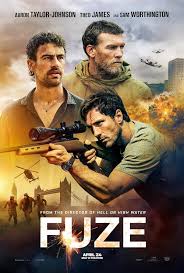
FUZE
UK, 2025, 98 minutes, Colour.
Aaron Taylor-Johnson, Theo James, Sam Worthington, Gugu Mbatha-Raw, Saffron Hocking.
Directed by David Mackenzie.
A British action thriller with some surprises.
The title refers to a bomb crisis in central London, a World War II bomb discovered on a building site, calling in the experts, the detailed study of the bomb and the ability to defuse it, military personnel, and also London police involved in evacuating the area and keeping the situation under control.
This scene to indicate that Fuse is a fairly straightforward action thriller with Aaron Taylor-Johnson as the expert for defusing the bomb and Gugu Mbatha-Raw as the police superintendent.
But, there is more, much more.
While the bomb diffusing is going on, the audience sees a group of bank robbers entering a precinct, heavy equipment, drilling through a wall, getting into the room with safe deposit boxes, a search for uncut diamonds. Theo James is one of the gang, keeping an eye out for the police and the situation with the bomb defusing. Sam Worthington is a member of the gang.
Gradually, a young corporal working on the defusing and suspicious raises questions. Police searching the area for evacuations come across the robbery.
With the explosion of the bomb, the attention of the drama goes to the criminals, their escape, issues of diamonds, contacts, setups and betrayals… There is also the involvement of a family who live in the building near the bank and are kept for the interrogation.
And, just when the issues of the diamonds and betrayals seem to be explained, there is a whole lot more in the film, twists and drama and explanations right up to the end - not what we might have been expecting.
- The title and expectations? Bombs and explosions? Defusing?
- The impact of the plot, the situation, the police, the expert, the evacuation of the area, the details of the defusing? And the introduction to the theme of robbing the bank? Audiences wondering about the connection?
- The London setting, in the city London, the building area, the bomb, World War II? The police and their involvement, communications? The expert, at the shooting range, his background, Middle East, the stories, comrades dead? The squad, the various personalities, the young corporal and his expertise, working with the bomb, the equipment, the timing, on an off? The police and the equipment, supervising, the screen and indication of the bomb and its activity? Phones and Communications? Timing, split-second? Alerts, scares?
- The situation in the city, the police, the range of people on the move, police barriers? The introduction to Romeo and his family, the plane to catch, anxiety, the language? Seen in the park? Eventually their wanting to return, their address in the suspicious building? Bringing them home, the lift out, carrying the grandfather and chair upstairs? Interrogations, language issues? The grandfather and his assistance in giving information?
- The bank robbery and the insertion in the main theme, the personalities, the team, their cover, overalls, the drilling, explosions, personal interactions, opening up the boxes, the cash, the jewellery, the uncut diamonds? Karalis on guard, his being seen by the two police, decisions to be made, the escape, the sewers, the car, the different personalities? The escape, the rendezvous with Karalis, the sewer stench and its being used to help the escape, the police guard, getting through, the arrival of the rendezvous, the splitting, the issue of the uncut diamonds, Karalis going outside, his partner coming in, the shooting? The issue of the diamonds, smashing, the fakes? The buildup to the confrontation, cars and pursuits, the shooting?
- Zuzana and her role, personality, taking command, assessing situations, communications? The news about the robbery? The evacuation over?
- The issue of the corporal, the bomb, the timing, his realising that it was not a World War II bomb, trying to speak to the authorities, his interaction with Will Tranter, eventually Will Tranter meeting the superior officer, conversations, acceptance of the job done?
- The twists, the explanations of the end, going back 10 years, Romeo situations in Afghanistan, Tranter and standing on the bomb, as his assistant, the vehicle, Karalis and his presence, the strategy of the attack, the shooting, defusing the mine? The involvement of each, the connections, Karalis and the revelation, the actual uncut diamonds, eluding the police at the airport, the group meeting in Istanbul – and the final commentary on what happened to each of them and the diamonds?
Obsession/ 2026
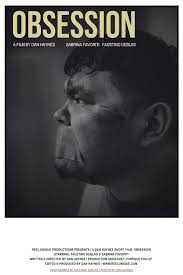
OBSESSION
US, 2026, 108 minutes, Colour.
Michael Johnston, Inde Navarrette, Cooper Tomlinson, Megan Lawless.
Directed by Curry Barker.
Emotional and sexual obsession has been a constant theme in moviemaking. In more recent times, it has become part of popular horror films like Companion.
However, this film has a different perspective. It is significant that the writer-director, Curry Barker, made this film in his mid-20s. And in the mid-2020s. And it is a film highlighting weird relationships rather than being a slasher or gory horror film (though it has one moment when audiences will leap from their seats, an extremely gory moment, but more of an exception in the way this story is told).
The film has had an immediate appeal, witnessed by box office results, in the demographic of audiences who can identify with the central characters in age, experience and outlook. And it has appealed to the critics. Which means, then, that there may not be immediate connections with the characters by older audiences (from over 30 onwards). The central character, Baron, nicknamed Bear, played intensely by Michael Johnston, lacks a lot of self-confidence, has morose moments, is pushed forward by his best friend, Cooper Tomlinson (who has long worked with the director on a You-Tube comedy series). And he is infatuated with his music shop co-worker, Nikki. She is played inventively by Inde Navarette, pleasantly ordinary and charming at first but then transformed when desperate Bear buys her a gift at a novelty shop, the Wish Willow, which can grant what everyone wants. And Bear wishes that Nikki would like him more than anyone, anything else. Moral: Beware what you wish for.
And, that is the drama, his creating a violent monster, unrestrained, controlling, and Bear’s desperate wanting to reverse his wish, rebuffed by the phone call to the complaints department, being told that his or her death will be the only way of release.
Audiences, young and old, will become more absorbed in the drama the more possessive and dominating Nikki becomes – and, no easy solution for this kind of horror drama.
- The title? Beware of what you wish for?
- The American setting, the young adults, working in the music school, friends, sexual relationships? Social life, parties? The writer-director, mid-twenties and perspective on life?
- The situation, the focus on Baron, nickname Bear, age, at home, quiet, shy and awkward, working in the shop, friendships, relying on Ian for advice? The outings, his withdrawal? The relationship with Nikki, the attraction, driving her home?
- Exasperation with himself, going to the novelty shop, buying the Willow Wish, his wish for Nicky to love him more than anything? Her appearance, transformation, in the bedroom, the sexual relationship, the violence, the effect on Bear, her taping the door, his going to work, his cat, the death, her making the sandwich and his reaction? Interactions at home, the conversations, her possessive behaviour, violent and erratic?
- Nicky, originally, pleasant, attraction to Bear, his reticence, her invitations? The transformation, her alter ego, opening, violent, sexual, obsessive, demanding? The behaviour, with Bear, the cat, the sandwich, at night, standing and watching Bear? The relationship with Sarah, Sarah in the car, the brutality of Nikki bashing her head? The body of Sarah in the house? The truth about Nikki and the relationship with Ian? Ian coming to the house, the shooting him?
- Bear, the bewilderment, Ian inviting him to the party, Nikki not to come, her arrival, the behaviour, the game, the kiss, Sarah, the incestuous story of Hansel and Gretel, reactions?
- Bear, phoning about the Wish Willow, the complaint, the eerie response, the threat of death? Going back, buying the final Wish Willows? The reaction of those in the shop?
- Ian, Bear wanting him to reverse wish, Ian’s wish for money, its falling from the roof? Then his death?
- Bear, taking the overdose, regretting it, going through to his death, to release Nikki? The final wish? His dying and Nikki returning to normal…?
Young Mr Pitt, The
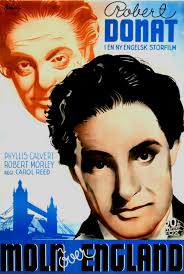
THE YOUNG MR PITT
UK, 1942, 102 minutes, Black-and-white.
Robert Donat, Robert Morley, Phyllis Calvert, John Mills, Raymond Lovell, Felix Aylmer, Max Adrian, Herbert Lom, Jean Kandel.
Directed by Carol Reed.
The film is a star vehicle for renowned British actor, Robert Donat, during World War II. (Comparisons implied between Napoleon and his aggression and the Nazi overwhelming of your about to Hitler. Comparisons between William Pitt and his stances against Napoleon and Churchill confronting Hitler.)
Donat had made a great impression on stage in London but also in the film, especially with his role in The Private Life of Henry VIII, then as the Count of Monte Cristo, a succession of prestigious roles, serious and comic in the latter part of the 1930s, culminating in his Oscar-winning role in Goodbye Mr Chips, 1939.
There was a break between Goodbye Mr Chips and The Young Mr Pitt, three years.
The film is a detailed re-creation of England, especially at the end of the 18th century and the beginning of the Napoleonic wars. Robert Donat also appears as the older Pitt, passing on his political legacy to his son, the credits noting that the speeches by both Pitts came from the actual records.
Pitt is was prime minister for several decades, falling briefly out of favour with the threat from France after the Revolution but then regaining the prime ministership and the confronting of Napoleon. Robert Morley appears as Fox, invited to collaborate with Pitt but refusing, mocking, but eventually coming onto his side.
There is a gallery of British character actors in support and, interestingly, an early John Mills appearance as William Wilberforce. Herbert Lom all yes yes is what is there and stops on’s’s offices are all there is the’s plays Napoleon – and was to do so in 1956 in War and Peace.
The film was directed by Carol Reed who had been emerging during the 1930s with such films as The Citadel. Perhaps his most famous film, from 1949, was his version of Graham Greene’s The Third Man. Reed continued directing during the 1950s and, surprisingly, won the Oscar for Best Director in 1968 for Oliver.
- Audience knowledge of William Pitt, his father, his long prime ministership, during the French Revolution, the rise of Napoleon, the war with France? Nelson?
- British filmmaking in 1942, World War II, dramatising British history, in wartime, the leadership of the Prime Minister, an enemy from the continent (Pitt and Napoleon, Churchill and Hitler)? The public supporting the war effort?
- The film as “intelligent”? The quality of the screenplay language, well articulated, period sequences yet conveying a great deal of history and character? Costumes and decor, vivid recreation of the period? The musical score?
- The introduction, the senior Pitt, his political role, verbatim speeches from history, his evening with his son, passing on the inheritance? The drinking, the respect, the family pride?
- Robert Donat’s presence and performance, credibility, deliverance of speeches, also verbatim from history? His age, his inheritance, his skills, the ridicule of the political opposition, the king, appointing him prime minister? His approach to Charles Fox, refusing? Entry to parliament, the exaggerated mockery? His speeches?
- The screenplay, moving through almost 20 years, not many indications of dates and how much time passing? Audience applying this?
- Pitt, his advisers, the relationship with William Wilberforce, Smith as his assistant and secretary? The other friends? The incident of his being mobbed, the physical training centre, the man coming to the rescue and joining the fight, indicating Pitt’s support amongst the people? The newspaper headlines, Fox losing popularity, Pitt, in Parliament?
- The overview of his social achievements? Hard work?
- Issues in France, the French Revolution, the execution of the king, Fox and his sympathy for the French? His speeches in the parliament, ridiculing of Pitt? Pitt and his stances, national pride?
- Napoleon, his signature, his rise, power, the 1790s, Toulon, the siege, British ships, Pitt and his decision to build up the navy? The collage of huge ships filled and launched? Confrontations with Napoleon? The scenes with Napoleon, building up his presence on par? The visit by Talleyrand, by the American, Pitt and his stances?
- Opposition to his approach, the ridicule and the parliament? The irony of his reading the message about the victory in Egypt? The choice of Nelson, the church sequence, the appointment, Nelson and his achievements, especially Trafalgar?
- Lord Auckland, diplomatic, his daughter, Pitt and the visits, playing games with the children, the attraction to the daughter, the conversations? Her support? The coach and nodding off and driving to the house, her waiting, Pitt turning back to his work?
- The new Prime Minister, appointed by the king, the parallels with 1938 and appeasement of Hitler, the appeasement of Napoleon, focusing on domestic issues rather than defence?
- The further dangers, the appointment by the king, Fox coming to support him, Wilberforce after an initial hesitation, support?
- Pitt and his help, the doctor’s advice, the nanny and her care, his long working hours, drinking, ignoring the medicine?
- The film and its tribute, his achievement, death at 46? And morale boosting in 1942?
Kill Me if You Dare
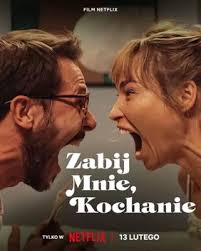
KILL ME IF YOU DARE
Poland, 2025, 95 minutes, Colour.
Weronika Ksiazkiewicz, Mateusz Banasiuk.
Directed by Filip Zylber.
This is a slight, different variation on romantic comedy. Polish style.
The focus is on a couple, engaged, married, five years, now an edge to their marriage, she wanting to start a cafe, he involved in his business work.
But, then they win 1 million with a scratch ticket. They are overjoyed – but, indication of the unsteady relationship, each reveals the news to a close friend. Then, the beginning of suspicions that one might want to kill the other, fostered by the erratic friends, some potential jealousy of the husband and his co-worker, and then a weekend at a resort, lavish, and the two friends coming independently, encountering each other and setting up a relationship.
Some comedy then in the suspicions, the various situations suggesting murderous intentions and action, then a change in spirit, the rediscovering each other and a happy ending – except, spoiler alert, the neighbour who created safes for all the people in the street, has absconded with the million hidden in the safe!
- The title and the theme? Variation on romantic comedy? Money and violence?
- The Polish settings, the city, apartments, workplaces, the holiday resort, the singing countryside? The range of songs, especially American?
- The introduction to Piotr, in the car, late, Natalia the railway station, the proposal, acceptance, the life together, the five years passing? Ups and downs?
- Natalia, hopes to open the cafe, friendship with Agata, Piotr, his work, the relationship with Dagmara, memories of the past, schooldays? Hopes and ambitions?
- The fair, the scratchy ticket seller, her persuasion, buying the ticket, awakening the night, the discovery of winning 1 million? Secrecy, yet Piotr telling Lukasz, Natalia confiding in Agata? The different plans, Natalia shopping, the deposit on the cafe? Piotr and the business, life insurance, the company and the resort, the ticket for the weekend away?
- The building up of suspicions, temptations for killing, the serious and comic coincidences, the electric socket, the shock, the bath mats slipping, growing edginess?
- The characters of Agata, Lucasz, the reaction to going to the resort, following, out of sight, the encounter with each other, the drinks, the sexual relationship, the advice and the plans, the sabotage, gradual revelation of each task? Then collaborating eagerly?
- Going to the resort, suspicions, walking up the hill, the room, Krystian and the two, the mountain climbing and the fall, the meals, almonds instead of garlic, getting Natalia drunk to sit on the floor…?
- The reconciliation, finding the hut, booking it, the final wariness, Natalia packing and leaving, lying in front of Dagmar’s car, the resolution? Piotr, with Krystian, the skydiving, the achievement? The two reconciled?
- Bogdan, installing safes in the neighbourhood, putting the million in the safe, returning, all stolen? Natalia pregnant, the visit to the cafe with Agata hosting and Lucas doing all the work?
No Pressure/ Nic na sile
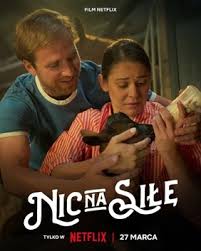
NO PRESSURE/ Nic na sile
Poland, 2024, 111 minutes, Colour.
Anna Szymanczyk, Mateusz Janicki, Anna Seniuk, Artur Barcis.
Directed by Bartosz Prokopowicz.
No Pressure is a popular entertainment, the story of a Polish village where most people know one another, friendships, rivalries, celebrations, suspicions… The film was so popular that there was an immediate sequel with most of the central characters returning, It Takes a Village.
The central character here is a chef, brought up in the village, working very successfully in the city. News of her grandmother’s death and her getting time off, arriving and finding that the whole thing is a hoax, engineered by her grandmother to bring her home for some kind of contact (the grandmother hoping she will stay at home in the village.)
Oliwa is a strong character, devoted to her eccentric and hard cheese-making grandmother, but left alone to continue the work on the farm, reunite with her horse, treat the goats, including a birth…
The other central character is a local man with a daughter, an estranged wife, his father running a restaurant, rather tough in firing unsatisfactory chefs. There are misunderstandings, pretence identities, potential for romance, the young woman having to make decisions – you can take the girl out of the country but can’t take the country out of the girl!
There is enough going on, romantic complications, misunderstandings, the eccentric behaviour of the grandmother and the elderly sculptor who is in love with her.
Sequels spoiler anticipation: it begins with the wedding ceremony for grandmother and the sculptor – and leads to all kinds of mayhem and popular comedy.
- A Polish village in the 2020s? The range of characters, interactions, cheesemaking and trade, financial difficulties, farms…? And the contrast with big city life, Chef in the large restaurant?
- The situation, Oliwa, moving from the town, her success in the city, busy at work, skills in cooking, her boss? The news of her grandmother’s death, the noss and time off, leaving, driving, her car breaking down?
- The effect of death, the grandmother, her character, in the coffin, lent by the priest, everybody present in mourning?
- Oliwa’s reaction, everybody in the village in on the scheme, to bring Oliwa back home?
- Oliwa, her relationship with her grandmother, the past, her mother’s own disappearance, her growing up, work with the goats, her favourite horse, the making of the cheese? Her grandmother’s disappearance, hiding with Jan, wanting her granddaughter to take over the work?
- Oliwa, the personality, getting into the work, with the goats, the birth of the goat, her car and repairs, the friendships with people from the past, Matylda and her husband, meeting the two brothers, inseparable, their wives, the making of the moonshine?
- The encounter with Kuba, his personality, his help, appearing and disappearing? The attraction? His daughter, his wife having left him? His wife’s travels? And the later revelation about her companion and partner? His father, opening the opening the restaurant? Sacking inefficient chefs? Oliwa and the friendship with the daughter?
- Jan, sculptor, old friend? Shielding Halena? Her locking him in, his escape? His devotion to her?
- Woytek, personality, music competition, place in the village, friendship with Kuba? Having to impersonate Kuba against Oliwa?
- The financial situation, the grandmother and her debts, the herb garden? Kuba as her creditor? Her upset about the government banning her from making cheese? Kuba finding out the woman who reported her?
- The buildup to the Festival, the singing and music?
- Oliwa, learning the truth about people, going back to the city, the discussions with her boss, his realising she should return?
- Happy endings, returning to the village, to Kuba, his daughter, the friendship made, her grandmother and Jan?
- Everyone in readiness for the sequel, It Takes a Village?
20,000 Especies de Abejas Missions/ 20,000 Species of Bees
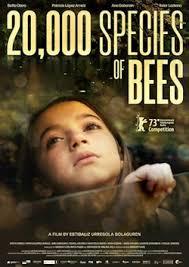
20.000 ESPECIES DE ABEJAS MISSIONS/ 20,000 SPECIES OF BEES
Spain, 2023, 128 minutes, Colour.
Sofia Otero, Patricia Lopez Arnaiz, Ane Gabarain, Itziar Laxkano.
Directed by Estibaliz Urresola Solaguren
The title is tantalising. And a reminder that a classic Spanish film, focusing on children, was The Spirit of the Beehive.
This is a film of the 2020s, the story of a family, living on the French-Spanish border, some tensions, some strain between husband and wife, some surliness especially in the two younger children.
The children with their mother go on holiday, staying with her mother, widow of a famous sculptor, the daughter herself having studied sculpture and heart. And, beeswax is used for some of the sculptures.
The focus on bees, realistic and symbolic, comes with an aunt who looks after bees, practical, wise.
And this is especially the case for the central character, the eight year old Coco, audiences and many people assuming that by appearance, hair length, manner, Coco is a girl. But, in fact, Coco is a boy, with a boy’s name, but dramatising the conflict of gender identity for an eight-year-old, comfortable in being more like a girl than a boy, problems even with name, interactions with cousins, but getting good advice and friendship from her beekeeping aunt.
The town for the holiday is vividly presented. The performances strong, especially Sofia Otero as Coco.
While there is a great deal of contemporary discussion about transition, here is a film which precedes those questions, the struggle with gender identity for a pre-puberty child, not understanding what it is that they are going through or why – and the challenge to the rest of the family, parents, to be positive in support of their child.
- Multi-award-winning and multi nominations? The impact of the film, Spanish audiences, international audiences? Family? Gender identity?
- The Spanish setting, the town, the countryside, houses, sheds, bees, festivities for the townspeople, the church, statues, atmosphere? The musical score?
- The initial impact of the family, tensions, the father, somewhat detached, driving, leaving the family, the mother, coping, the older daughter and her achievement, the boy and his surliness towards his father, Coco, age, also surly?
- For a holiday, from France into Spain? Welcomed by her mother, the children and the relationships, settling in, opening up the area for sculpture? Information about the family, the father and his sculptures, the impending baptism, the stealing of his stature, the searching on the river? The grandfather, his achievement, artistry, the mother, her business sense and practice? Anna, her studies, Paris, sculptures, her wanting to continue during the holiday? The beeswax?
- The picture of the extended family, cousins, activities, the swimming, chats, aunts and uncles?
- The continued focus on Coco, aged eight, the long hair, girl/boy, real name and not wanting to use it? Audience growing awareness that Coco saw himself/herself as a girl? With the comprehension of an eight-year-old, but disturbed, questioning, not liking the name Coco, then accepting it? Going swimming, changing clothes with the cousin?
- The aunt, with the bees, her skills? The explanations, the role of the bees, the beeswax? The mother wanting the beeswax for sculptures? Seeing her in action with the beeswax and her art?
- The aunt, the story of St Lucia, martyrdom, the impact on Coco, not certain about a name, not wanting to use a name, finally deciding on Lucia?
- The arrival of the father, his concerns, the issue of Coco?
- The mother, application for the teaching job, the issue of submission of art, sending in her father’s art?
- The episode Coco lost, everybody going out into the fields, calling out, his masculine name, Coco, and then finally their calling out Lucia?
- The strong portrait of the family and interactions?
- The issue of gender identity, for a child, pre-puberty, physical aspects, psychological and emotional aspects, decisions to be made – and the future issues of transitioning?
Carry on Regardless
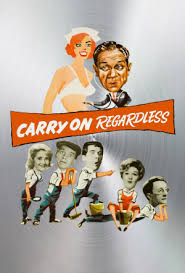
CARRY ON REGARDLESS
UK, 1961, 90 minutes, Black-and-white.
Sidney James, Kenneth Connor, Charles Hawtrey, Joan Sims, Kenneth Williams, Bill Owen, Liz Fraser, Terrence Longdon, Hattie Jacques, Esma Cannon, Sidney Tafler, Terrence Alexander, Stanley Unwin, Joan Hickson, Fenella Fielding, David Lodge.
Directed by Gerald Thomas.
The fifth film in the series, by now getting underway, and this film having most of the cast from the early films.
The screenplay was written by Norman Hudis who wrote the early screenplays before the transition to Talbot Rothwell who wrote most of the subsequent Carry on films. This one is very straightforward. Sidney James and Esma Cannon run the Helping Hand agency, ready to help out in any emergency. Meanwhile, at the labour exchange, there are a whole lot of characters looking for jobs and who descend on the agency – at one stage, in a scene at the agency, nine of the popular members of the cast are all assembled in the one room.
There is no plot as such. Rather, the film is a succession of farcical episodes, slapstick comedy, each of the new members of the agency going out on jobs and generally mucking them up. And, for a variation, in the last part of the film they go to a mixup of addresses, again with some disastrous results. And finally, their gobbledygook-speaking landlord, Stanley Unwin, interpreted by Kenneth Williams’ character who speaks 16 languages! indicates that he wants the premises renovated. Needless to say, they all help but create disasters, only to find that with all the mess that they have made, it will be all right because the landlord has decided to demolish the building.
Not so much innuendo in this particular version – though, Liz Fraser does offer an opportunity for some sex comedy. And, it is interesting to see Sid James in a fairly straightforward role. And, it is a pleasure to see most of the members of the staff as well as a number of supporting British character actors who appeared in a number of films in the series.
Johnny You're Wanted
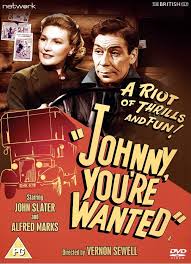
JOHNNY YOU’RE WANTED
UK, 1956, 70 minutes, Black-and-white.
John Slater, Alfred Marks, Gary Marsh, Christine Halward.
Directed by Vernon Sewell.
A small British film from the mid-1950s, directed by Vernon Sewell who directed many such supporting features in these years. It is a star vehicle for John Slater who was best known later for 420 episodes of Z-Cars. Alfred Marks has a more comic role as a sinister seller of novelties.
Slater plays a lorry driver who picks up a frightened woman on the road – and later she is discovered murdered. The police follow through the investigation, discover it is linked with importation of drugs from continental Europe and their distribution through an actor, posing as a fortune-teller, clients receiving their drugs in the theatre.
The lorry driver tries to investigate and follow through clues, getting in the way of the police. He is also attracted to the assistant to the fortune-teller.
Conventional but enjoyable – and, quite a surprise for fans of Are You Being Served to find Frank Thorton, 20 years earlier, as a straightforward police inspector, much like many of similar actors of his day. The comedy was to come much later and, very successfully.
