Displaying items by tag: Peter Malone's Movie Reviews
Half of It, The
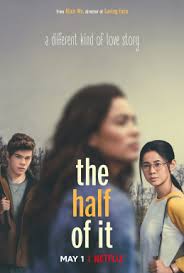
THE HALF OF IT
US, 2020, 104 minutes, Colour.
Leah Lewis, Daniel Diemer, Alexxis Lemire, Wolfgang Novogratz, Collin Chou, Betty Ann Baker.
Directed by Alice Wu.
This is a very sympathetic coming-of-age story, with a special emphasis on same-sex orientation, this theme also being explored very sympathetically and not sensationally in any way.
At the centre is Ellie, a persuasive performance by Leah Lewis, her talented father, migrant, only able to get work in the United States managing a small railway station in a remote town, his daughter helping him with the work. She is a loner. However, she is very intelligent, and audiences discover that she has been writing the assignments for many of her class, even though the despise and bully her. The teacher knows this and encourages her for further studies.
Then the film becomes something of a cleverly updated variation on Cyrano de Bergerac. Her neighbour, Paul (Daniel Diemer) is in the diner run by his mother with her own special recipe for sausage. Paul has ambitions to develop sausages in his own style. Paul is infatuated with a girl at school, Aster(Alexxis emire). She is the daughter of the local Deacon. And, everybody expect her to marry the local Jock, Trig.
Paul approaches Ellie who then provides him with speeches and conversation points for meetings with Aster, also controlling his phone calls which leads to all kinds of mixups.
Paul eventually comes to realise his awkwardness in the situations, despite all of Ellie’s help, also feels attraction towards her – with the ultimate realisation of her love for Aster, speeches in the church urging the congregation to sympathy, Paul discovering that Ellie has sent his recipes to authorities for promoting them.
The film does not end with everything neatly organised. In fact, audiences would probably like to know more about the characters and what happens to them and their future lives.
- The title, the introductory explanations, Plato’s theme, the image of the person, the two halves, the separation, the search? The serious elements from Greek philosophy? And the screenplay suggesting undermining in contemporary US? The range of quotes, even from Ellie?
- The story of older teenagers? Different family backgrounds? Migrants to the US? Local families? School backgrounds? Church backgrounds? Job opportunities?
- The name of the town, its tone, middle America, the entry sign, the road? Homes, the railway station, diners, school, church, the choir, music courses and performances? Religious services, the Deacon and his preaching, the off-remarks of the priest?
- Ellie’s story, the performance and presence of Leah Lewis, age, reticent, intelligent, riding her bike, mocked by the students, chugging, yet her writing their assignments? Her music? The attraction to Aster? At home, with her father? The background, coming to the US, his qualifications, but not speaking English will, his work at the railway station, her helping? His watching the television, sad at the death of his wife, the “best parts” in the movies, Casablanca ending? The meals, the Chinese style? Adapting to the US?
- Ellie, her relationship with the teacher, the teacher with a touch of the cynical, knowing the essays were written by her, her discussions, hopes for Ellie? Observing? Enjoying the outcomes?
- Paul, tall, a touch awkward, the sequences with his large squabbling family, his attraction to Aster? Approaching Ellie to write a letter? Her reaction? Need for money for the house? Accepting? The first letter?
- Aster, her place in the school, quiet, attractive, Trig and his presumptions, with her, the expectations of marriage? The painting? The discussion about important strokes? And sequence with the graffiti on the wall and she and Ellie painting? The later painting of the flower and giving it to Paul? Her ambitions further studies? But caught in Trig’s presumptions?
- The variation on Cyrano de Bergerac? The voice of Paul, the words of Ellie?
- The development of the letters, the texts, the text names, references to books, The Remains of the Day, philosophy, ideas? Paul out of his depth? The awkward meetings, the confessional, the priest bewildered, the conversations? Ellie watching, coaching? The changing contents of the letters? Ellie’s outpourings to Aster?
- The bonding between Ellie and Paul, friendship, her control of him?
- Trig, at school, the extrovert, presumptions, the musical performance, self-centred? Thinking that Ellie was attracted to him? And the proposal for Aster?
- Ellie, the party, the drinking, Paul taking her home, at the house, the kiss, Aster misunderstanding?
- The comic touches with the misunderstandings, Ellie and the contents of her letters, too much for Paul, yet his trying with his reading?
- Paul, his ability to cook, the recipes, his mother’s traditions, the work with Ellie’s father, bonding? His future?
- The revelation, the effect on Aster, on Ellie, Aster going to art school, Ellie going to college, Paul staying with his cooking?
- A quiet film about same-six attraction, a pleasing and respectful attitude towards the subtleties in such potential relationships?
Tenor
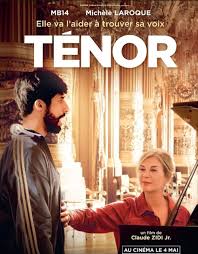
TENOR
France, 2022, 100 minutes, Colour.
Michele Laroque, Mohammed Belkhir (MB14), Guillaume Duhesme, Maeva El Aroussi, Samir Decazza, Marie Oppert, Louis De Lavignere.
Directed by Claude Zidi Jr.
The Tenor is a surprising film, very entertaining.
The film opens with with a bare knuckle fight, rivalry in a local gang in a Paris neighbourhood, and will end with the singing of Nessun Dorma, quite a journey in between.
The young central character, Antoine, a fine performance by Michele Laroque, is part of the gang, cared for by his older brother who is one of the combatants in the initial fight. Antoine is skilled at creating rap songs and performing them, again a competition among the gangs in the neighbourhood. Antoine earns part of his living by delivering sushi from a local restaurant.
When he delivers sushi at the Paris Opera house, he hears a young woman singing and is entranced. He is very forward, make something of a scene at the Opera house but is invited back by the Diva (who has a terminal illness).
What follows is something like a Pygmalion story, the young man giving an audition, discovering his operatic talent, going into training, clashes with the Diva, with some of the other singers, used by an aristocratic singer to enhance her own reputation, especially at a performance at her wealthy mansion. His brother and those in the neighbourhood are not aware of what is happening to Antoine.
There is a performance by Opera singer, Roberto Aragni, who encourages Antoine.
Quite a lot of music, and in fact, quite a lot of rap, even the Diva enjoying it, a final competition, then a revelation of the truth, a challenge to the brother who had been in prison, a friend who had joined the army, and the whole group gatecrashing Antoine’s final audition.
Well acted, well sung (rap and Opera), often quite exhilarating.
- The title, Antoine, skilled rap artist, singing voice, Opera?
- The French settings, the neighbourhoods, wealthy and poor? Racial differences? Gangs? Paris Opera house, the visuals, exteriors and lavish interiors, mansions and theatres, clubs, martial arts and boxing rivalries, rap rivalries?
- The music, the rap rhythms, the rap lyrics, however, aggressive, taunting, witty? The performances and the competitions? The acknowledgement of Tupac Shakur? The Opera singer and her movements to the Tupac music? The contrast with, comparisons with Opera? The range of excerpts? The Opera singer, Roberto Aragna and his performance? Madame Butterfly, Nessun Dorma… Performances, duets, solos?
- The atmosphere of the opening, the brutal fight, the crowd cheering, blows, collapses? And the contrast with the ending and Antoine singing Nessun Dorma, and his achievement?
- Antoine’s story, with his brother, his brothers fighting, looking after him, living together, ambitions for Antoine, the economics course and his ability to answer questions, the admiration of the professor, urging him to come back? His work delivering sushi? His skill with rap lyrics and music, his performance, lively, the support of the Rembrandts, the attack of the Picassos, his being beaten? The friendship with Samia, her going into the Army, her attraction and attachment, his seeing her as a friend? Ellio and the other friends, their support? With his brother and his training? At home?
- Delivering the sushi, to the Opera house, his admiration for the singer, the clash with Maxime, taunts, his voice, Madame hearing him? His going off in a huff? Madame going to the sushi centre, tracking Antoine down? The delivery, the discussions, the to and fro, her challenging him? The return, the breathing exercises, the diaphragm, his ignorance and not knowing what the diaphragm was, his response to the exercises, even doing the rap more effectively? Her giving him the CD of Madame Butterfly, his listening and its effect? Taking him out of himself?
- Madame, her physical condition, her drinking, the discussions with Pierre, requesting him to accept Antoine, his wanting her to go to Korea to sing, her refusal? Taking Antoine to the opera, his hearing Roberto sing, singing with Roberto, Pierre’s change of attitude?
- The training, the attraction to Josephine, the duet with her, her inviting him to the family, her performance and humiliating him? The clashes with Maxime, the fights, rivalry, singing together but different styles? Yet Maxime befriending him, his own story, giving him shelter, the friendship, the final support?
- Samia, going to the Army, the significant move for a woman, the training sequences, the discussions about relationships, her going to see Antoine, introduction to Josephine, her being hurt?
- Antoine and his progress, practices, missing his brother’s fight, the police arriving, his brother’s arrest, jail, thinking of the excuse for their mother and his being in Japan, the phone calls, the posters in the cell? His getting out? The confrontation with Antoine and his angry outburst?
- Antoine, upset, the training, going back to class for the economics class, Samia hostile, confused?
- The audition, his not singing well, walking out after being late, Madame and her taunts? His reaction?
- The confrontation at the club, his punching his opponent, walking out? Lonely, the support of Maxime?
- His brother, angry with Antoine, his room, throwing the musical score out the window, Samia seeing the invitation, her rounding up everyone, persuading the brother, the decision to go to the audition? The letter from Madame, his apology?
- Madame, her illness, short time to live, talking with Pierre, wanting to enjoy the wine and the music? The letter to Antoine, the voice-over? And the blood drops on his musical score?
- Antoine, ready for the audition, the audience waiting, his brother and Samia all coming in, the quality of his singing, Nessun Dorma and conquering with Vincera? The acclaim? The reconciliation?
- The final image of Antoine, Opera singer, content in himself, his achievement? His future?
Kinds of Kindness
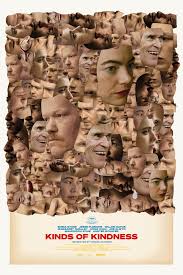
KINDS OF KINDNESS
US, 2024, 164 minutes, Colour.
Emma Stone, Jesse Plemons, William Dafoe, Margaret Qualley, Hong Chau, Joe Alwyn, Mamoudou Athie.
Directed by Yorgos Lanthimos.
Writer-directors, Yorgos Lanthimos, would probably agree that his perspective on life, especially in his earliest films, was “warped”. And, with Poor Things and Kinds of Kindness, that his sense of humour was also “warped”. His kinds of kindness are not exactly kind. Something more like “destructive kindnesses”.
This is a film containing three films linked by themes and linked by the actors. It is a cinematic triptych. Each panel of a triptych to be seen by itself, but also with its links to the other panels, combining for an overall view. And this seems to be what the director wants here, three stories, and a linking theme. Overall, it is a theme of coercive power. And that coercive power means extreme manipulation of victims, tyrannical domination mixed with power complacency, physical and mental cruelty and violence. But, with his warped sense of humour, the director also offers wry satire.
The contribution of a core cast enhances the impact of the drama/humour. Emma Stone has proven herself with two Oscars, appearing in the director’s The Favourite and winning her second Oscar for Poor Things. She shines as the principal character in the third story, a story of a pseudo-messianic cult, she has a divinity in search of a religious figure who has the power to raise people to life. The power of the cult dominates her and her companion in the search.
Jesse Plemons (in 2023 Killers of the Flower Moon, Civil War) won the Best Actor award at the 2024 Cannes film Festival. He shines in the first of the stories, a primly rather straightlaced yes-man to a controller who can only be described as wicked (Willem Dafoe who also appears in the three stories). In a moment of moral questioning, his morale collapses, made to feel even more dependent than before, commanded to kill someone. By contrast in the second film, he plays a police officer is anthropologist wife disappears, reappears, his moral and mental collapse as he determines that she is a double. And this part of the triptych also introduces the theme of cannibalism.
Each story shows the versatility of the characters and the talent of the rest of the cast, Dafoe, Margaret Qualley with four roles including twins, Hong Chau, Joe Alwyn and Mamoudou Athie.
So, after watching the three stories, the three panels of the triptych, the audience is left quite disturbed, moments of black humour, moments of horror, moments of disgust, some grim perspectives on the shallowness, the malice, the cruelty of human nature.
- The work of the director, perspectives, offbeat? Greek background? International career and outreach?
- The title, the tone, the issues? Irony, satire, absurdity? Black and bleak perspective?
- The film as a triptych, the one film, the three parts interconnecting: coercive power, manipulation and submission, aberrant behaviour, sex and violence, violent deaths?
- The work of the cast, in each story, different, appearance, accent, behaviour…?
- The first story: the focus on Robert, exact, controlled, look and clothes, diet, relationship with his wife,+? The encounters with Raymond, his personality, appearance, speaking, controlling, with Vivian as his companion, the meetings with Robert, the international business, the order to kill the victim, Robert’s failures, change of heart, anguish, changing eating habits, going to Raymond, rebuked and rejected by Raymond, the past encounters, sexual? The gifts of the sporting trophies, the gift of the racquet, Robert and his wife, valuing the trophies? The disappearance of the is one? The buyers and the possibilities of selling the trophies, the bargaining? Robert and his encounter with Rita, organising the date, her being in hospital, his discoveries at seeing Raymond, her being controlled, failing with the killing? His change of heart, going back to Raymond, and the vicious running over the victim? And his contentment in the threesome?
- The second story: Daniel, policeman, good service, friendship with Neil, the discussions, the meal, Neil and Martha, memories of Liz, the issue of the video, their watching, the shock of the group sex? Daniel, Liz surviving, the other members of the expedition dead? Hospital? His erratic behaviour, police work, the shooting of the passenger, licking the blood, being suspended? Neil trying to help? At home, the interactions with Liz, her behaviour, different? With her father, narrating the dream, dogs living as humans? Going to please Daniel, his withdrawing, not eating, asking her to cut off her finger, her cooking it, his giving it to the dog? Her frustration, his demanding the liver, her cutting it out? The alternate Liz, arriving, his embracing her??
- Third story: the background of the cult, the members, garb, the enclosure, the rituals? The leadership of Omi and his wife? Manner, style? Emily and Andrew, members of the cult? Emily and her control, going to the morgue, choosing the girl as able to raise the dead, the attendant, the corpse, her attempt a raise the dead, her desperation, rejected? Emily and Andrew, their travelling together, a speedy and reckless driving, the mission, searching for the special person who can raise the dead? Emily, her visits to her daughter, leaving the presence? The encounters with her husband, her daughter? The invitation to the meal, the drugs and headroom, his rape, her being rejected by the cult? Her growing desperation, the instructions by Omi and his wife? Her dream, drowning, the rescue? Rebecca, coming to the diner, the explanations? Emily, her decisions, pretending to have the dog, wounding it, Ruth as the vet, kindly? The next encounter, bugging Ruth, Rebecca satisfied, killing herself, going to the morgue, the dead body, Ruth – and the raising to life? Andrew and Emily reinstated?
- The mid-credits final sequence, the irony of the dead man raised to life, after being killed by Robert, raised by Ruth, and eating the sandwich and spilling the ketchup? Final ironies?
Non Sono un Assassino/ I'm Not a Killer
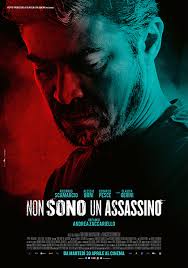
NON SONO UN ASSASSINO/I ‘M NOT A KILLER
Italy, 2019, 110 minutes, Colour.
Riccardo Scamarcio, Alessio Boni, Edoardo Pesce, Claudia Gravini.
Directed by Andrea Zaccariello.
A strong and complex Italian drama about a policeman who has served 20 years and is arrested for the murder of his longtime friend and police chief. Film opens with a phone call, the friend reaching out to the policeman after two years, wanting to consult him about a case.
The circumstances of the killing immediately implicate the policeman, an old man working on a cactus observing him, his car being seen leaving the scene, the precision of the time and movements. The policeman is arrested.
The structure of the film is quite complex, the main action taking place in the present but continued flashbacks to the relationship between the two men and their other friend, a lawyer, now being asked by the policeman to defend him. And the screenplay puts strong emphasis on the prosecuting judge, her determination in the case, and her assistant who has a past history of conflict with the accused policeman.
And in the flashbacks, the audience is taken back to young men and their meeting, their friendship, their ambitions, and a key to a draw in the murdered man’s desk, passing from one to the other, in the hope that no one will open the drawer – but, eventually the draw is opened and a message about selling one’s soul to the devil revealed.
There are complications about relationships, the accused policeman being something of a womaniser, his relationship with his ex-wife, with his daughter and her presence during the trial. The lawyer gets some advice, goes to the scene, takes photos of possible line of vision from the cactus plantation to the murdered man’s house, important for the credibility of the witness.
There are Mafia connections and background and, a twist that many might have anticipated bringing the film to a sombre conclusion.
- The title and expectations? Crime, the arrest, the investigation, the trial, the verdict? The aftermath?
- The background of the Mafia, police corruption, judges and assassinations, power behind the scenes?
- The Italian cities, police precincts, the courts, homes, holiday locations, the coast? The musical score?
- The opening, Francesco, the Asian resort? The structure of the film, the sequences in the present, the phone call, Francesco’s reaction, driving, meeting his friend, leaving, news of the death? The arrest, the Judge and her assistant and reactions? The interrogations, the witness, Giorgio as the lawyer, his background, just go in jail, the focal at the airport, the professor, the contact with the prisoner, the characters, Giorgio and his investigations, the photos, the testimony in court, the verdict? Francesco and his protests of innocence? His relationship with his ex-wife, former companions, his daughter?
- The structure of the film, the range of flashbacks, building up a picture of the three friends, University, their meetings, Georgio and his not being left anything by his father in America, Giovanni and his serious approach, their meetings, sharing, music? The issue of the key, never to be opened, passing from one to the other? Their careers, Francesco and 20 years of police work, Giovanni as a judge? Giorgio, attracted to Alice, drinking, wanting to be a singer? Their all coming together with the crime?
- The judge, her determination, confrontations with Francesco, his responses? Michele, their working together in the past, Michele and his grudges, criticising Francesco, Francesco answering back? The speeches in the court, the new evidence of the photos, losing the case?
- Francesco, the scenes with his wife and daughter, his dalliances with the other women, the underaged escort, her coming to the door and exerting pressure? Francesco and his reputation with women, with Alice? The friendship with Giovanni over the years, but leaving his office, no contact for two years? Making friends again with Georgio, relying on him in the court case?
- Issues of police corruption, the final flashbacks, Francesco and the dossier on him, shooting Giovanni, taking the photo, opening the drawer and finding the message about selling oneself to the devil?
- Georgio and rehabilitation, his letter to Alice, her coming to him? Francesco’s former wife coming to the door – an open question?
- Francesco, in Asia, the life of luxury, his visit to the Mafia chief, warned to disappear?
Goyo
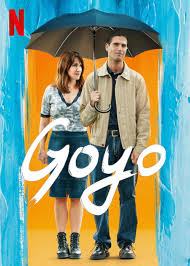
GOYO
Argentina, 2024, 106 minutes, Colour.
Nicolas Furtado, Nancy Duplaa, Soledad Villamil, Pablo Rago, Diego Alonso, Cecilia Roth.
Directed by Marcos Carnevale.
Goyo, short for Gregorio, is an Argentinian man who has Asperger’s Syndrome. In fact, there have been quite a number of films about children and adults on the spectrum. It is worth googling movies about Asperger’s Syndrome and see the significant number of films, many of them well-known.
Goyo has a sad past history, his father killed in the drink-driving accident, his mother abandoning him. He lives with his sister, strict, snobbish, a concert pianist, and with his more genial brother who is a chef. The sister tries to protect him. His brother is a great support and friend.
But Goyo has a PhD, is an expert in art, and is a guide at the Museum. He is very knowledgeable, exact in his references to times and dates and other aspects of the spectrum. Nicolas Furtado gives a strong performance as Goyo. Nancy Duplaa is very sympathetic as the older woman.
The screenplay focuses on issues of sexuality and relationships. Goyo is infatuated with an older woman whom he sees struggling in the rain with an umbrella, sees her working at the Museum, follows her, which she interprets as a stalking, but with the help of words given to him by his brother, he approaches her, apologises, and the situation is rectified. The woman herself has a violent husband just getting out of prison, two sons.
While the focus is on the woman and her age and response to the relationship, the focus is very much on Goyo and issues of sexuality, his adult longings, his encyclopedic study of pornography, the encounter with the woman and its consequences. With the pressures from his family and a violent confrontation with the woman’s husband, he becomes a confused, almost being killed by traffic in the street.
The film evokes audience sympathy for Goyo, offers the audience an opportunity to understand him in the way deaths of thinking and feeling by those with Asperger’s Syndrome..
- Goyo, Gregorio, the focus of the film, character, Personality, Spectrum, Asperges?
- Setting in Argentina, universal story? Audience interest in the theme, characters on the spectrum, the increase of diagnosis of autism and the spectrum?
- Nicolas Furtado and his performance as Goyo? His place in the family, the death of his father when he was young, drunk, his mother and her drinking, the driving, the accident? His mother withdrawing, not knowing how to relate to her son? At home with his stepsister and her strictness, at home with his stepbrother and his kindness? The routines at home, the meals, discussions? Being protective of Goyo?
- Goyo and his education, his PhD, knowledge of art history? Encyclopedic knowledge, precision of expression, accuracy of dates, dates times and places, his love of art, his room and the paintings, van Gogh, his own painting, imagining people as centres of paintings? His imagination, whirling images?
- His work at the Gallery, friendship with the staff, their understanding him, his tours and explanations for the visitors? His glimpse of Eva, his referring to her by her full name? The attraction, seeing her in the rain and frustration with the umbrella? At the Gallery? The subway, her anxiety in the train, the train stopping, the blackout, his fall, panic attack, leaving the train, on the platform, her giving him the finger? And his research online to understand the meaning of giving the finger?
- Saula and her skill as a musician, music practice, older, controlling Goyo? Matute, younger, work as a chef, the meals at home, listening to Goyo, giving him advice, the speech to make to Either? At the hospital, her being apprehensive, the explanations, her response?
- Eva and her home life, her husband in jail, the violence, the older son and his surliness, football, staying with his girlfriend, yet returning to support his mother? The younger boy, friendly, encountering Goyo, the bonding, the talk, welcoming him to the home?
- Goyo, the invitation to Eva, going out, the conversation, awkward, her response, being affirmed, drinking, the dancing, the return home, the sexual encounter, the aftermath, for Goyo, for Eva, the discussions?
- Audience response to his being on the spectrum, his manner, his friendliness? Making allowances? His concern about sexual issues, looking at the pornography, the range and encyclopedic response? The personal issues, the moral issues, his reflections? Matute and his advice?
- This purges and emotions, the effect of the relationship, at the football matches and his feeling that his brother was ignoring him?
- The continued relationship, going to his sister’s performance, her demands, judgements on Eva, the impact on Goyo, bewilderment, going to the street, the swirling vision, hospital?
- The sister and the discussions at the hospital with Eva, the rash judgement?
- Goya, seeking out Eva’s husband, the confrontation at the market, the violence?
- The family, leaving Goyo to make his own decisions? Eva and her response, love, despite the age difference, the emotional difference?
Svaniti nella Notte/ Vanished into the Night
VANISHED INTO THE NIGHT/ SVANITI NELLA NOTTE
Italy, 2024, 92 minutes, Colour.
Riccardo Scamarcio, Annabelle Wallis, Massimiliano Gallo, Gaia Coletti, Lorenzo Ferrante..
Directed by Renato de Maria.
The Italian title of this thriller indicates that children vanished during the night – but the English title is somewhat evocative, that they vanished into the night.
The film focuses on a couple, long married, he Italian and something of a gambler, she American with medical and psychological qualifications. But, there are in process of divorce. They are both devoted to their children.
While the children are with their father for an evening, they disappear. He is frantic, receives a ransom note, confers with his wife, agrees to do a job for a long time friend who is a drug dealer, sailing his boat across to the Greek coast, collecting the drugs. On the way back, his engine gives out, the Coast Guard help him, and he rushes to meet the deadline for the ransom money.
But, there is a significant twist in what actually happened about the kidnapping, the children appearing and reacting quite normally when their father returns.
Brief, good performances from the leads, and an interesting twist (which, of course, some might have anticipated).
- The title, the Italian indicating “during the night”? The English indicating disappearance “into the night”?
- The Italian setting, the vistas of the city of Bari, the city centre, homes and streets, the coast, the Adriatic, the Greek coast and restaurant? The musical score?
- The mystery of the disappearance of the children? Suspects? Ransom? Audiences mystified – receiving what had happened?
- Marriage, the background, her medical qualifications, psychological qualifications? American? The marriage to Pietro, Italian, his gambling? The two children, their care for them?
- The divorce proceedings, bitter elements, custody issues?
- The sequences of each parent with the children, love for the children, the children and their liveliness?
- The children with their father, spending the night, his watching the football, the disappearance, his search, desperate, his wife, her arrival? Her anger with him? The ransom note, €150,000 asked?
- The friendship with Nicola, suspicious? Pietro and his going to Nicola, the arrangement for the money, the promise, his having to sail to Greece, the restaurant, the advice, the drugs, bring them back, the cash?
- The voyage, the restaurant, the kindly waiter, no contact, the boat, the two men, the drugs, checking the sale, giving the cash? Pietro hiding it? Going back to Italy, the engine failure, the Coast Guard, their arrival, fixing the boat, accompanying the boat? Pietro desperate, the phone calls, running, the bus, to Nicola, his being drunk, crowded, his taunting Pietro? The fight, giving him the money?
- Pietro returning home, the capture case in the toilet, his suspicions, confronting his wife?
- Her plan, drugging the children, returning them, her plan for the divorce, for custody in America? The confrontation at the airport, his threats, the reaction of the children? His taking them back home – and his wife reappearing? A future?
Longlegs
LONGLEGS
US, 2024, 101 minutes, Colour.
Maika Monroe, Nicholas Cage, Blair Underwood, Alicia Witt, Michelle Choi-Lee.
Directed by Oz Perkins.
Longlegs was an immediate success on its release, very much spurred on by clever marketing, advertising the film starring Nicolas Cage but no images of him. For many bloggers, the marketing and promotion seems to have backfired for them, one not finding Longlegs as striking as hyped and hoped for. But, many, like this reviewer, find Longlegs very effective in what it sets out to do and its effect on its audience.
Basically, this is an FBI investigation film, Maika Mnroe as Lee Harker, a young agent, invited in to investigate the death of a family, the suicide of the father after killing his family. She seems to have some kind of clairvoyant power and is given the files of previous similar murders occurring over some time and is able to make all kinds of connections. She is working with an FBI chief, played by Blair Underwood, who relies on her conclusions.
However, the opening of the film, a car driving through the countryside, a little girl inside a house with a camera, going out to look at the visitor who does not get out of the car, then encountering a strange character tantalising and menacing at the same time. The audience gets a partial glimpse of Longlegs, leaving the full visuals until the second part of the film. Longlegs is played by Nicolas Cage who has played is fair share of manic characters. This one must be near the top of the list.
The screenplay by writer-director, Oz Perkins (son of Anthony Perkins, horror-menace influence) introduces the touch of the supernatural, Longlegs being a Satan worshipper.
Lee Harker is very serious about her role with the FBI and her investigations, her powers enabling her to decode strange letters in messages left by Longlegs, to work out his motivation, to lead to his arrest. But, she has her own difficulties in her relationship with her mother. And this will be integral to the development of the narrative.
While there are some very eerie moments, a sense of menace, the advantage of the screenplay is that there is, eventually, a coherent explanation of each of the characters, their interactions, the influences, leading to a dramatic finale that may or may not bring Longlegs’ activities and influence to a close. (And a recommendation that the film is best seen in the darkened cinema.)
- The title, the central character? Serial killer? Satan worship? Investigation?
- The settings, the 1970s to the 1990s, rural America, the American town, the FBI headquarters, homes, the countryside? The musical score?
- The prologue, the little girl, watching out the window, the car in the countryside, the occupant not getting out, her going out, the confrontation with Longlegs, her mother?
- Lee Harker, her background, phone calls with her mother, her mother’s erratic responses? As an FBI agent? Present at cases, viewing bodies? Her powers, making connections, being given the range of cases, the files, family deaths, the father killing the families, the letters, the lettering, the signature of Longlegs? The room, her rearranging the files, insights? Deciphering the code? The messages? The focus on the girls’ 9th birthdays on the six days surrounding the birthday? Working out the triangle, the missing date? The mystery of the identity of Longlegs? Speculation about his using an assistant?
- Agent Carter, working with Lee Harker, his limitations, relying on her, the visits to families, the family and decaying bodies, his reaction? His own family, wife and daughter, friendly with Lee Harker, her visit?
- The searching the house, the finding of the doll, the mysterious substance and its effect? Lee Harker and the finding of her mother’s photos, identifying Longlegs, his arrest, standing at the bus stop, the visuals of Longlegs, voice, face, white-mask, hair, sinister, satanic? At the bus stop, waiting for the arrest? The interrogation?
- Longlegs as a dollmaker, in the basement, the gifts for the girls, the doll of Lee Harker?
- Lee Harker, lonely, in her house, the desk, sinister sense of presence? Her mother’s calls?
- Longlegs, motivation, behaviour, the killings, the doors of the paper, the murderous father and suicide? Longlegs being uncovered, the issue of an assistant, living downstairs, bashing his head, his death?
- Lee Harker visiting her mother, with her associate, the mother killing the associate? The doll, its effect on her, her mother as the assistant? Her bargain with Longlegs to do his work, a Faustian pact?
- The visuals, the mother dressing as a nun, bringing the dolls, received into homes, the deadly effect?
- Agent Carter, his family, his daughter’s birthday, Lee Harker hurrying, the doll, the little girl attached, the behaviour of Carter, killing his wife in the kitchen, threatening his daughter, Lee Harker’s reaction, saving the little girl?
- But…? The attempt to shoot the doll, no bullets, the voice singing happy birthday?
Family Affair, A/ 2024
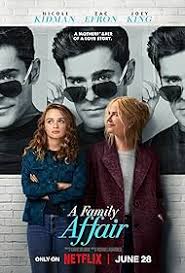
A FAMILY AFFAIR
US, 2024, 111 minutes, Colour.
Nicole Kidman, Zac Efron, Joey King, Kathy Bates.
Directed by Richard La Gravanese.
A Family Affair is a romantic comedy designed for the Netflix audience. And, it was very successful.
The film was written and directed by Richard La Gravanese, longtime screenwriter and director. But the film relies on the impact of its stars, their reputations, bringing them together. And, especially, with the age difference between the actors and their characters in the film, a May-December romance.
At the same time, another film made for streaming, The Idea of You, starred Anne Hathaway and Nicholas Gallantzine, a much more serious take on the relationship, and the criticisms and judgements about the older woman was very successful.
This film has a Hollywood setting. Zac Efron, partly sending up his own image and career, is probably the most callow and self-absorbed film star, working in a superhero franchise, worried about his career, and the quality of the writing – though he is in no place to judge. He is a person of selfish whims, his production assistant having to fulfil all his wishes, and is phone calls at all times of the night, go to buy some food that he decides he wants. The production assistant is played by Joey King.
After the star dismisses his assistant, he goes to her house to ask her to come back and encounters Nicole Kidman as her mother, the widow of many years, an award-winning writer. Perhaps audiences will be taken aback by the swift sexual encounter but this does then become the theme and debating point of the film, the daughter taken aback, warning her mother, finding the actor giving his mother for gift of hearings, a sure sign in the past that he was breaking with a woman. This breaks up the relationship.
One of the advantages of the film is the genial mother-in-law played by Kathy Bates, a good influence on all the characters.
Of course, the daughter relents, the relationship takes up again – and seems to be successful, the mother even working on the screenplays for the films…
- The title, variation on the theme? Romantic comedy? A May-December story?
- The Hollywood setting, studios, actors, agents, assistants? The musical score?
- The focus on the Zara, her age, working with Chris, doing all the work, his taking her for granted, the menial jobs, the issue of rewrites, his whims, her responding, his offhand attitude towards her, changing codes…? Her giving up on him? Her life, her friendships? Her relationship with her mother, memories of the dead father, idealising him?
- Zac Efron, his image from his young days, now middle-aged? The movie star, his whims, tantrums, unreasonable demands on Zara, his attitude towards his characters, the franchise, wanting rewrites, his relationships, with women, breaking up with them, the eeriness and the tour…? A completely callow character?
- Nicole Kidman as Brooke, her age, widow, writer, award-winning, successful, missing her husband? Her relationship with her daughter, supporting her ambitions? Critical of Chris?
- Chris, the visit, meeting Brooke, the reactions, the speed of the sexual encounter, Zara coming home, her reaction to Chris, to her mother? Warning her mother?
- Leila, mother-in-law, friendly and genial, supportive, the visit at Christmas, her urging Brooke to feel free, urging Zara to be tolerant? Her reaction to Chris?
- Chris, wanting to employ Zara again, relying on her?
- The happy couple, together, the dinners, talk, age difference, difference in character and temperament? Zara, her warnings, seeing the gift of the earrings and remembering these is the brush off, and the tour of the studio? Warning her mother, her mother upset?
- Zara, her reactions, her friend, talking things over, her harsh and brash breaking up of the relationship, going to her mother, apologising?
- 12 months later, happy endings, Zara and her being a producer, Brooke and Chris and the relationship?
- A fluffy romantic comedy with the emphasis on the age difference?
Glorias, The
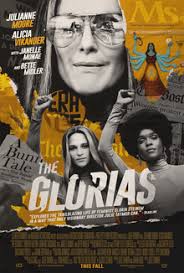
THE GLORIAS
US, 2020, 147 minutes, Colour.
Julianne Moore, Alicia Vikander, Ryan Keira Armstrong, Lulu Wilson, Gloria Steinem, Timothy Hutton, Enid Graham, Bette Midler, Janelle Monae.
Directed by Julie Taymor.
The Glorias is a portrait-biography of feminist Gloria Steinem. It has been written and directed by Julie Taymor, a renowned theatre director, Tony awards for The Lion King, various Shakespeare productions. Her film career includes Shakespeare’s Titus, the biography of Frida Kahlo, Frida, the musical, Across the Universe.
On the one hand, the overall impact of the film provides a continuous biography of Gloria Steinem, her origins, her travelling father, the mental illness of her mother who had been a journalist writing under a male byline, the disturbing early years of her childhood, her getting a scholarship to travel in India as a young adult, her ambitions as a journalist, difficulties in a male-only publishing world, exposure to exploitation in Playboy clubs and writing on this, but her going to the March on Washington for a portrait of James Baldwin, encountering a number of black women, forming friendships with them, beginning to write, the establishing of the magazine Ms and the status of the title for women and its acceptance, participation in elections for Congress, friendship with Bella Absent, the passing of the years and her campaigning into the 21st-century.
However, there is something of a surreal framework for this biography. A device is used, with black-and-white photography also, of the four actors portraying Gloria Steinem travelling on the bus, discussions with each other about issues, Gloria talking to herself, examining her past, in the past coming alive in the colourful flashbacks. The main focus on Gloria Steinem is in Julianne Moore, but also Lulu Wilson as the little girl, Ryan Keira Armstrong as the adolescent with conventional ambitions but then breaking out and the young adult Gloria played by Alicia Vikander. Timothy Hutton plays her father. Janelle Monae is one of her close friends and allies and there is a tour-de-force performance by Bette Midler as Bella Abzug.
The film recreates the period, immersing audiences in the various decades of the 20th century, changes in politics, social attitudes, the rise of feminism.
An interesting different view on the feminist years can be seen in the television series, Mrs America, Rose Byrne playing Gloria Steinem, the focus on her opponent, Phyllis Schlafly, played by Cate Blanchett.
- The title, the focus on Gloria Steinem, from her autobiography, My Life on the Road, the actresses portraying Gloria Steinem, the final sequences with Gloria Steinem herself?
- The rise of feminism in the 20th century, in the United States, the key personalities, the role of Gloria Steinem, journalist, international experiences, speaker, civil rights, abortion issues, women’s rights, multiracial campaigning, politics, the variety of associates, the buildup of her speaking engagements, opposition, personal life, the achievement?
- The structure of the film, actresses, different stages, their being seen together, on the bus, conversations, interactions, the younger with the older Gloria remembering, questions? The effect of flashbacks and flashforwards? And, finally, footage of Gloria Steinem herself?
- Gloria Steinem in her time, her mother, journalist, breakdown, institutions, her support of her mother? The divorce, her devotion to her father, caravan, the travels, his dealing in antiques, internationally? His illness, her travelling to him? The phone call sequence? The bonding with her parents, the visits to her mother, her mother’s encouragement?
- Her growing up in Ohio, the travels, the 1940s and 1950s? The actress playing the young Gloria, the curiosity, her parents, and the sequences with the young Gloria and the older Gloria?
- The teenage Gloria, the sequence of her conventional expectations of life? And her appearing with the older Glorias, the discussions? The teenage Gloria seen as taking strong stances in the later decades?
- The adult Gloria, the sequences in India, and the later explanations her grant and travels, her interactions with the Indian women, their expectation she should be married, the conversations, the friendship? Drawing on her Indian experience in her career?
- The revelation that she had an abortion, the visit to the doctor in London, abortion as illegal, that he not mention her name, that she live her life? (Her dedication of her autobiography to him and this quotation?)
- Her attempts at journalism, the reaction of the editors, males, writes and rewrites, topics? The struggle, her wanting independence? The later meetings, the idea of their magazine, Ms, the discussions, the cover, the issues, expectations, adventurous attitudes, cautious attitudes, the publication, the results, the glimpse of women reading the magazine, the sequence of the interview with Nixon and the issue of titles, the establishment of Ms and its use?
- The Civil Rights movement, her going to Washington, the march beyond expectations, Mahalia Jackson singing, the discussions, the discussions with the African-American women? And the later saying that after civil rights, women’s rights?
- The range of associates, in the women’s movement, the importance of Dorothy Pitman Hughes, her presence, demonstrations, ideas, interactions with Gloria? Politics and the significance of Bella abs (and Bette Midler’s larger-than-life performance)? The meetings, the issues, the absolute and her declarations? Attitudes of Betty Friedan?
- The older Gloria, Gloria from the 1970s, a long career, stances, the issues, civil rights, the attitudes towards abortion, abortion rights, campaigns? Women and their careers? Relationships? The older Gloria in the bus, and the discussions with the other Glorias?
- The final sequences? Film clips of the actual Gloria Steinem? The background of her campaigning from the 1970s to the 2010s?
- The changes in American feminism over the decades? Developments by the 21st-century? The continued challenges in the present and into the future?
Good Mother, The/ 2023
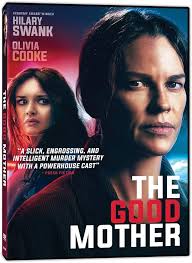
THE GOOD MOTHER
US, 2023, 90 minutes, Colour.
Hilary Swank, Olivia Cooke, Jack Reynor, Dilone, Norm Lewis, Madison Harrison, Hopper Penn, Karen Aldridge.
Directed by Miles Joris-Peyrafitte.
The Good Mother is a brief drama, set in Albany, the city not usually seen in American movies but here an impression of the vistas of the city, the buildings, the freeways, the neighbourhoods.
The title refers to Marissa, played by Hilary Swank, a journalist who has suffered the death of her husband, grief and drink. At the opening, we see the killing of a man jogging in the streets, the news coming to Marissa from her policeman son, Toby (Jack Reynor). At the funeral, she is very hostile to her son’s girlfriend, hitting her, but then apologising – and a bond growing up between the two women. Which means that the title could refer to the young woman, Paige, played by Olivia Cooke. Interestingly, Jack Reynor and Olivia Cooke are both British.
The women decide to follow some leads to see who was responsible for the killing, the dead son being an addict and dealer – though Paige asserts that they were off the drugs.
There is a strong sequence where Paige and Marissa go to a group discussion – and a highlight is a speech given by Karen Aldridge as Laurie, the children, addicts, their deaths.
There is a further complications, Paige discovering some drugs in her old house, Marissa pursuing her sons collaborator and his attacking her, aged Marissa interviewing a witness to the death and getting some clues, Paige with the phone number of the contact who set up the killing.
The narrative the film does not develop as we might have liked, harsh complications, harsh challenges some violence and sadness.
Which means that the screenplay combines familiar material but some unexpected plot developments.
- The title? True, ironic? For Marissa, for Paige, for the grandchild?
- The city of Albany, the views of the city, streets, buildings, freeways, homes, dangerous neighbourhoods, press office, trains, the railyard? The musical score?
- The opening, tension, the runner, the pursuing lights, his death? The transition to Marissa, waking up, her drinking, going to the office, Toby coming with the news, her grief?
- The background stories, the discussions and memories, the videos of Michael playing baseball, a good little boy, his talent, his shoulder injury, the drugs? Addicted, dealing? The long friendship with Ducky? Toby and his ambitions, the older brother, becoming a policeman? Marissa and the death of her husband, her grief, her drinking, going to group discussions? Toby and his advice, playing pool with her, urging him not to drink?
- The funeral, Marissa’s grief, Paige present, Marissa and the attack, hitting her, the apology, their being together? Her dislike of Paige, Paige and her love for Michael, pregnant? The past friendship with Ducky, addictions in dealing, changing? Michael and his phone message, a change, buying a house? This leading to the bonding between Paige and Marissa, and the friendship with Gina, her pregnancy?
- Marissa, going to back to work, her skill in writing, the editor urging her to write? With Paige, going to the meeting? Laurie and the cameo of her speech to the group, key revelation about feelings, children, addiction, care of children, taking Marissa to the safe injections centre? Her seeing Ducky, chasing him, his hitting her? Coming home, telling Toby, his saying he would handle it?
- When did audiences become suspicious of Toby? Performance, body language, facial expressions? Suspicious?
- Paige, going to the old house, finding the suitcase, the drugs? And the explanation of the drugs, femme fatale and cocaine? Causing deaths? Her escaping after the pursuit? Going to see Ducky, dead? Hiding the drugs in Marissa’s house? Marissa discovering them?
- Taking refuge in Toby’s house, with Ducky’s phone, the mysterious call that lured Michael to his death? The information about the tower to underhand, the driver? Marissa and Paige visiting the old man who witnessed the episode?
- Ringing the phone, Toby’s phone ringing, going to the basement, Toby confronting her, her fall, to the hospital, the birth, her death? Marissa taking the baby?
- Marissa, suspicions of Toby, following him in the car, the train, the drugs to the man with a tattooed on the hand?
- Marissa and her care of the baby, starting to write the story, giving it to the editor?
- The open end, the document, the cigarette and her never lighting up, lighting up the lighter – to smoke or to burn the manuscript? The audience to decide what she would do, what they would do?
