Displaying items by tag: Errol Shand
Wolfram
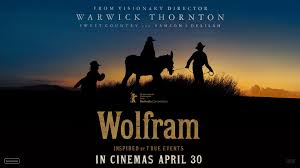
WOLFRAM
Australia, 2026, 100 minutes, Colour.
Deborah Mailman, Pedrea Jackson, Thomas M.Wright, Errol Shand, Matt Nable, Anni Finsterer, John Gibson, Natasha Gorey Furber, Eloise Hart, John Howard Ferdinand Hoang. Aidan Du Chiem.
Directed by Warwick Thornton.
Over the years, writer-director, Warwick Thornton, has become one of Australia’s most important indigenous filmmakers. For almost 20 years, his dramas have highlighted these themes, especially in central Australia, award-winning films like Samson and Delilah, Sweet Country, The New Boy, and, now, Wolfram.
Sweet Country were set in the 1920s, confrontations between white landowners and black uprisings, the police… Wolfram is set in the 1930s, prospectors, white Australians and a number of Chinese, in Central Australia, prospecting for Wolfram/tungsten. They have leases, have charge of aboriginal children, who are able to go down into the mine shafts, small, working in the narrow dark, sending up samples. They are quite young,have lost connection with their parents, now at the mercy of these white men, harsh, drinkers. The re-creation of these mining settlements, out in the harsh desert, is disturbing.
But the drama has several chapters, introducing a range of characters then gradually bringing them together for final confrontations, and some reconciliations.
In many ways and visual styles as well as in the action, Wolfram is in the vein of American westerns. There is the local town, the pub version of the American saloon, the women at the bar, the men customers. And in ride two characters, sinister in look and manner, one, who is ruthlessly violent, played by Errol Shand, and his young associate, naïvely absorbing the racism and enjoying the violence, Joe Bird. They want information about a contact who has a lease, Kennedy, played by Thomas M. Wright. Kennedy is retired now, has a young indigenous man working for him, Philomac, played by Pedrea Jackson, showing the taken-for-granted contempt for the aborigines and the demands made on them.
In the meantime, there is another story element, the aboriginal mother with her baby, played by Australia’s leading indigenous actress, Deborah Mailman. She is travelling with a Chinese miner, but cutting her hair, leaving the tufts and beads on trees, hoping that her children will find them and follow her. She is quiet, sad, another victim of racism in the 1930s. (On the other hand, the Chinese characters, out searching for Wolfram, are sympathetic – and, the audience appreciating their martial skills when they tangle with the white villains of the drama.)
For Warwick Thornton, this is dramatising the harsh past, acknowledging the truth for aboriginal people, holding up an often unwanted mirror to the behaviour of brutal and racist Australians. And, sadly in the time of the Uluru Statement from the Heart, films like this are still a needed challenge.
- Title, the metal, mining, prospectors, labour, white owners, and Chinese working?
- The films of Warwick Thornton, indigenous themes over two decades, Australian indigenous history? Racist? Critique of the remnants of convict culture? Christian and religious references?
- The various strands of the plot, the signalled chapters of the film, the range of characters, connections, coming together?
- The opening, the hammer and the chisels of the rock, mining for Wolfram? The young children, the audience assuming through the film that they were boys, the hard work, the treatment, Billy, his hold over them, his drinking, harshness, the later collapse and his death? The flashbacks and his relationship with Pansy? The children taken from their mother? The back story?
- Pansy, with the baby, grieving, sitting contemplating, patting her hair, the beads, leaving the signs on the trees and branches for her children, her partner, his racial background, travelling the sulky, over the countryside, searching, not going to Queensland? The recurring images of Pansy?
- Kennedy, his lease, his home, the shed, living alone, except for Philomac, servant, Kennedy and his demands, Philomac and his age, no explanation of his background, his work, the treatment? Subservient? Yet intelligent young man?
- Casey Martin and Frank, Casey Martin and his appearance, sinister, rough, riding into town, the pub, the woman at the bar, her dress, attitude, payments, chitchat, the young girl persisting? The men in the pub, attitude towards the visitors? Going to the store, supplies, the owner, his aboriginal wife and their reaction? The issue of the lease, his giving information about Kennedy?
- The couple riding through the countryside, coming to the mining area, the various workers, the tense, the diggings, explosions, the explosions underground? The encounter with Billy? With the children? Riding, finding Kennedy, his paranoia, the reunion, the humiliating Philomac, staying in the shed?
- The children, their hard work, going down into the mines, the gelignite the explosions, Billy, his collapse? The child with the donkey, riding through the countryside, the picture of the child wandering? Finally meeting at Kennedys? The child finding the charred remains of the old aborigine, his having worked for Kennedy, Martin and Frank killing him?
- The presence of the indigenous tribes, suddenly appearing, the Elder, the young girls, the water, the women washing, the young girl watching, Martin and his brutality, the killing? The aborigines meeting with Philomac, not helping, walking away? The ultimate confrontation with Martin, the violence, the women, his being killed?
- Martin and Frank going into the town with Kennedy, searching for Philomac and the children, their ability to hide in the caves, observing the brutality with the aboriginal women? The steering of Kennedy, his collapse, injuries?
- In town, in the bar, the woman at the counter, the discussions with the owner, treating Kennedy, breaking the binding?
- Philomac and the children, encounter and the Chinese, the friendly reception, the meals, sleeping, intending to leave, the work, the discovery that the children were girls, the toilet scene, the laughing, going down into the shaft, the rope, the girl falling down, Philomac falling, the young Chinese falling down? The rescue, the injuries?
- The intention to move, to Queensland, going into the town, the Chinese and his encounter with Frank, the fight, martial arts, the strangling? Martin discovering this, his leaving town with vengeance, his own death?
- Pansy, the travel, seeing the sulky coming through the fields, the happy reunion, including with Philomac?
- The 1930s, Australian history, the treatment of the indigenous people, the brutal white people, exploiting, humiliating, yet their racist attitudes, low intelligence, and brutality? Warwick Thornton’s films and their challenge to the interpretation of post-1788 Australia?
Twelve 2, The
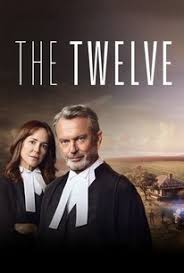
THE TWELVE 2
Australia, 2024, 8X 45 minutes, Colour.
Amy Matthews, Errol Shand, Kris McQuade, Tasman Walton, Josh McKenzie, Anthony Brandon Wong, Stefanie Cacama, Luke Pegler, Feysall Bazzi, Sam Neill, Frances O'Connor, Anthony Hayes, Gerard Lebowski.
Directed by Stevie Cruz Smith, Jocelyn Moorhouse, Ben Young.
The television series, The Twelve, made quite an impact on television audiences, a focus on a trial, some quite significant members of the jury, others on the periphery. And, the trial lawyers, played by Sam Neill and Marta Dusseldorp, as well is the accused, played by Kate Mulvaney, were well written roles. And, there was always the mystery of the guilt or innocence of the accused.
This is the second series. The only continuing character is that played by Sam Neill as a defence lawyer, always self assured, charming, the touch of the ruthless. In this version he has a co-worker, played by Frances O’Connor. There are two accused, Amy Matthews and Errol Shand, the lawyers defending one each. Prosecutor is portrayed by Fayssal Bazzi.
The setting is Western Australia, a country town, the death of an elderly woman farmer, rather a harridan, played effectively by Kris McQuade. Her daughter and her lover are accused of her murder.
The screenplay this time, after a prologue indicating the setting and the characters, focuses on the trial, meetings outside the courtroom, but mainly flashbacks indicating the different perspectives on the situation, the death, possible scenarios, and unexpected aspects in the final solution.
And, as with the original series, there is strong focus on several of the jurors, a young woman caring for her sister who, in fact, is her daughter, a young man, on drugs, involved in money deals, an ageing and dying Asian character clashing with his children, a woman caring for her elderly mother discovering aboriginal connections…
The court scenes and cross examinations are always very interesting, there are twists and turns on the prosecution and the defence, some tense human relationships.
The series has several directors especially Jocelyn Moorhouse.
- The popularity of the first series? The series based on an original Dutch program?
- The adaptation to Western Australia, the country town, the streets and buildings, the courthouse, hotels and motels, the countryside and the farms, homesteads? The musical score?
- The structure of the series, the introduction to the crime situation, the investigators, the arrests, the lawyers and visits to the accused, the selection of the jury and the discussions about who should be on the jury? The judge? The flashbacks to Bernice, Sasha and Patrick? The cumulative effect of the flashbacks, and the development of the story of particular genres? The dramatic effect? The twist at the end, Thelma and her intervention?
- The dramatic impact of the court proceedings, the prosecutor and his stances, less experience than Colby and Meredith, their skills, interrogations? The wide range of witnesses and testimonies? Dramatic interactions? The focus on the jurors and their responses? The assistance to the prosecutor and offenders?
- The core of the plot, Bernice, age, hard work, harsh personality, mean minded, the response of the town, hostility? Sasha, her age, working with her mother, her mother’s control over her? Yet her daughter’s love? Patrick, the breakdown, getting the lift, the relationship with Sasha, Kelly and the children and his visits to them, the relationship with Sasha, passionate on her side, his response to her? Bernice’s disapproval, criticisms of Patrick, criticising her daughter, observing, getting Sasha to withdraw the money, the $50,000, visiting Patrick at the motel, giving him the money, his taking it? His giving it to Kelly?
- Audience response to the personalities of Sasha and Patrick, during the affair, side-by-side in the prison, the advice to look straight ahead in the court? The reality of the pregnancy, the birth of the baby, Sasha wanting to visit, the visit to the prison?
- The death of Bernice, in the well, the possibilities, the issue of the well and it repairs, the company manager, his presence, confronting in the court, hostility towards Bernice, Colby surveying his back entry, his admission of changing the lights?
- The neighbours, farming, lesbians and attacks, the death of the dog, the visit, the visit, questioning in court?
- The focus on the genres, in court, the discussions, Winston as foreman, the range of men, the range of women in, behaviour, friendships, out-of-court meetings?
- Winston, his wealth, the mill, terminal cancer, the nurse, weary, friendship, the marijuana, the visit of his son and daughter, their neglect, his severity, his daughter reporting the nurse, the substitute nurse? The visit to the club? The friendship? His reaction to criticisms about parents and their treatment of children, wills? His final decision, selling the company, dividing the money, the final scene with his son?
- Joey, young, his father, friendship with Pete, his girlfriend, the drugs, money needs, the drive, the crashing of the sign, the repairs, the payout to the mechanic, borrowing from the bank, Peter and his drinking, giving him the drugs, people dying, the interrogations, his lying, his girlfriend and her finally walking out? Pete’s father, asking him to be the football coach? His behaviour with the other jurors? The owner of the pub, genial, on the jury, the night of celebration at the pub? His father and the money for buying the ring, for reconciliation? Continuing the drugs, in the bar, the bartender, his being overcome, going to the police, his confession, driving with his father, not participating in the jury?
- Thelma, looking after her mother, dementia, the neighbours, killing the hens, throwing the eggs, the punctured football, Thelma and her friend, the confrontation with the neighbours, challenge about her mob, issues of racism, questioning her mother, the mention of Bernice, going to the former home, getting the documents, photocopying them, her reaction? Her outbursts against her mother, her partner coming him down, her feeling of her to discovering the truth about her origins, racial prejudice?
- Claudia, at home, with her sister, working at the bar, severe father, severe mother, the issue of the rollerblades and the little girl envious, Claudia and her age, with the jury, serious, going out with the gay couple, drinking, admitting the truth about her daughter? Later at the party? Her mother forbidding her to go to the holy communion ceremony? The little girl leaving? Claudia confronting her parents? The continued anxiety, the confrontation with her mother, her daughter overhearing the truth, running out, hit by the car, hospital, the visits, Claudia inviting her to go rollerskating?
- The Muslim nurse, at work, comments, the invitation to her home, her concern about Winston and his harsh reaction to her?
- The young woman, her ex-husband, the interactions?
- The smug character, knowing all about the town, the money deals, presumption of guilt, reactions to his assertions?
- The range of people interviewed, their comments, their opinions, Sasha is close friend and her outburst against Patrick? The doctors and their opinions, the detective from Perth, the manager of the motel and his playing computer games and accuracy of memory?
- The revelation about Bernice, the affair, the family reaction, going to the Centre, giving birth, giving up the child? Her knowing that Patrick was the child? The flashbacks to the confrontation, the revelation of the truth, the reason for Bernice giving Patrick the money, wanting the child destroyed, Bernice and the gun, Sasha and her defiance, Patrick hitting her, going for the ambulance, Sasha, the body, her ability to carry a heifer, carrying her mother’s body, putting her down the well, her motivations, anger, love for Patrick, the baby?
- Meredith, Colby and further information, the estrangement, her visiting Sasha, the cross-examination the court, Colby and the revelation about the relationship, defensive Patrick? Sasha and her anger at Meredith? Meredith and the phone call to Chris and the children, his filing separation papers? Her defeat?
- The prosecutor, the attack on Sasha, her breaking down, the adjournment?
- Colby, reconstructing the situation, exonerating Patrick?
- The audience, the added accumulation of flashbacks, what might have happened, what did happen, changing loyalties, jewellery, the details of the discussions, orderly, good arguments? The decisions?
- The audience seeing the truth, Patrick being freed, his attempts to save his mother’s life? Sasha, sympathy for her, but her decision against her mother? Her going to prison, the prospect of her child? And the revelation that she was guilty? But the final irony of Patrick saying he had given the money to Kelly, his digging it up and disappearing?
- A satisfying mystery, life in Western Australia and community, relationships, violence, the crime, the evidence, the flashbacks, the jury’s decision?
