Displaying items by tag: Trine Dyrholm
Almond and the Seahorse, The
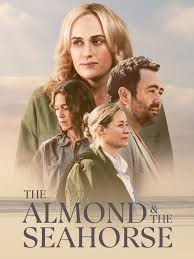
THE ALMOND AND THE SEAHORSE
UK, 2022, 96 minutes, Colour.
Rebel Wilson, Charlotte Gainsbourg, Trine Dyrholm, Cylen Jones, Alice Lowe, Meera Syal.
Directed by Tom Stern, Celyn Jones.
Based on a play, the film has a great deal of dialogue. The meaning of the title – the parts of the brain have their technical names but look like an almond and the seahorse.
The film is about the fragility of the brain, surgery and accidents, partial loss of memory, complete loss of memory, treatment, therapies – and therapies for partners.
The three principal characters are played by an Australian woman, a French woman, a Danish woman…
Rebel Wilson plays an archaeologist whose husband has had brain surgery and has lost partial memory, deteriorating, her seeing the doctor, recording for her husband what has happened, leaving notes, but his being upset, neglectful. He is played by the co-director, Celyn Jones.
The other couple, played by Charlotte Gainsbourg and Trini Dyrholm, have been together for 15 years that the older partner has been in an accident, lost her capacity for playing the cello, lost her immediate memory. She also sees a doctor, goes into an Institute, the doctor warning her partner away, that she has a bad effect.
The two bereft partners encounter one another, begin an affair, but realise they want their partners back.
The film ends five years after the main events, the archaeologist having become pregnant and giving birth to a son. Her husband having lost his memory completely but very genial in company of wife and son. The cellist is now playing again and her partner visits and reconnects with the archaeologist.
An opportunity for an audience to appreciate the effects of injury to the brain and the consequences of loss of memory for the person suffering as well as for partners and family.
- The title, the parts of the brain, technical names, resemblance to almond and seahorse?
- The reality of the brain, fragility, memory, memory impairment, memory loss?
- The city setting, the work of the archaeologist, homes, the Institute and interiors, the seaside, the final concert and gathering? The musical score?
- Sarah’s story, married to Joe, no children, the removal of the brain growth, his loss of memory, memory, his behaviour, Sarah consulting the doctor, making the recording, leaving the notes, Joe neglecting them, mistaking his medication, phone calls, confusion? Sarah becoming more desperate, wanting a child with Joe, unhappy with the doctor? The advice to go to a therapist? Her relationship with Joe’s sister, Cath and her understanding and encouragement?
- Toni and Gwen, 15 years a couple, Gwen playing the cello, the accident, the loss of memory for 15 years, getting up in the morning, Toni looking after her, the constant demands, Gwen and her angers, not playing the cello? Going to the Institute, the discussions with the doctor, Toni bring the cello, the doctor telling her she had a bad effect on Gwen?
- The encounter between Toni and Sarah, discussions, stories, loneliness, the beginning of the affair, the repercussions for both, wanting to go back to their partners? The travel away?
- Joe, some treatment, but losing more of his memory? Gwen and her becoming more calm?
- Five years later, Sarah and the pregnancy, the birth of the son, Joe not recognising, but being very cheerful the gathering, when playing the cello, Toni arriving, meeting Sarah again? The prospects for their futures?
Second Victims/ Den Andet Offer

SECOND VICTIMS/ DET ANDET OFFER
Denmark, 2025, 92 minutes, Colour.
Ozlem Saglanmak, Trine Dyrholm, Mathilde Arcel F, Olaf Johannessen, Anders Mattesen, Iman Meskini, Jacob Spain Olson, Anders Home Perniolle Hojmark.
Directed by Zinnini Elkington.
This is a drama with a profound emotional impact.
The setting is a hospital, the audience joining one of the doctors as she comes to work, encounters colleagues, medical assistant on her first round, the surgeon who will be important as the day develops. The central character, Alex, is played by Ozlem Saglanmak in an intensely memorable performance.
The first part of the film keeps everyone, including the audience, on the emotional move. Triage, staff organisation, patients coming in needing instant attention, an elderly woman for diagnosis, her anxious son arriving. But, eventually, the main focus of the film is on an 18-year-old young man who has had a turn, brought in by his very anxious mother. The assistant notices something wrong with his neck, but Alex makes a decision that he can go home.
Almost instantly, the young man collapses. Decisions have to be made, consultations with the surgeon, the issue of the neck, the high emotions of the mother, the father eventually arriving and the staff dealing with distraught parents.
Which means then that the second victims of the title, after the first being those who are ill, are the staff, the pressures on them, the decisions have to be made, frankness and honesty, skill in responding to families, and continue questioning of themselves – which puts an enormous pressure on Alex throughout her day.
The screenplay raises the issues of diagnoses, recognition of symptoms, mistakes, culpability – but, importantly, the surgeon reminding Alex that she made an assessment with grounds rather than making an error. An important distinction for anyone in the healing, counselling and guiding, occupations and ministries.
- The title, those who are sick being victims, pressure on the nursing staff and doctors as second victims?
- The hospital setting, filmed in an actual hospital, staff arriving, changing rooms and conversation, meetings and triage, personnel absent, first timers, the range of patients, the continuing pressure, movement along corridors, into wards, with visitors, surgery, ICU? Mounting tension? The musical score?
- The focus on Alex, the strong performance, arriving at the hospital, indication that she was breastfeeding, changing, the presence of the surgeon in the women’s changing room, Emilie and her nervousness, Alex advocating more objective approach to work, not on feelings, not self-centred? The beginning of the day?
- The first part of the film, continual movement, pressure, busy, having to assess situations, control feelings, deal with people, patients, relatives?
- The situation with Winnie, her anxious son, the diagnosis, stroke, symptoms, behaviour, tests of coordination, Alex and her ability with the patients? The decisions, the treatments, the medication? Her son arriving, the pressure on him, overwhelming? Later, Winnie and her recovery, her gratitude, her son and his apology? And, the crucial sending of the flowers and the thanks note at the end during Alex’s trying to cope?
- The various patients in the corridors, Alex able to stop, or not, her assistant and the discussions about the cases? Emilie, nervous, contacting Alex?
- Oliver and his situation, his age, his mother present, suggestion of drinking and hangover? Emilie and her comment about his neck? Alex hearing it but not acting on it? Sending him home? His collapse, drastic, his mother’s concern, brain haemorrhage? Alex and her decisions, the discussions with the doctor, the importance of the coordinator of the scans and his opinion, the cost of scans entering in, his suggestion about Oliver, the surgeon wanting to operate? Alex and her opinion? The decision about the surgery, Oliver in a coma, going to the ICU, his mother present? Aida in the ward, competent, her attention, discussions with Alex? The surgeon’s decisions?
- The focus on Camilla, mother, the difficulties of conceiving, the sudden joy of Oliver? Desperate, insisting something be done, getting more and more emotional? Her husband’s arrival, his calm demeanour, with his wife, the news about the organ donations, Camilla’s refusal, the father more sympathetic, what his son wanted?
- Emilie, her reports, blaming Alex? The consequences for Alex, her being busy, pressure, not eating, having to make decisions about staff, the changing moods, talking with Camilla, with Oliver’s father, the continued pressure, offering hope, the surgeon saying there was no hope?
- Camila, the time passing, touching her son, wanting to talk to him, Alex’s advice, the final decision about his being brain-dead and the testing, machine breathing? The attack on Alex, vicious?
- The police, the head, asking Alex to go to the police, Alex assuming she was being attacked? The reality of charges against Camilla? Alex and the various moments of breaking down, in the corridors, up and down the stairs, sitting on the stairs, the collapse in the corridor, the patient helping her with the breathing and water? The feelings of self-blame?
- The priest, visit, discussions with the parents, his gentle wisdom, persevering love after death? The effect on the parents?
- Alex outside, listening, the father coming out, weeping, then turning on Alex and threatening to sue?
- The end of the day, Camilla and her husband, Camilla going out and looking over the city?
- The end of the day, Alex and the discussions with Emilie, the issue of blame, some reconciliation?
- The discussions with the surgeon, Alex and her blame about Oliver’s neck, the surgeon asking her the statistics of the likelihood for an 18-year-old, his wise advice that this was an assessment not a mistake?
- The return home, with her husband and children, the baby? The scenes paralleling mothers and sons, Camilla and Oliver, Alex and her children?
- The dawn, Alex going into the garden, Oliver appearing to her, holding out his hand, touching, communicating life and forgiveness?
