Displaying items by tag: Samuel Bottomley
Anemone
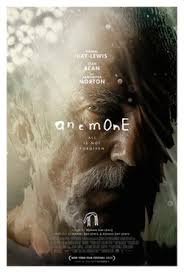
ANEMONE
UK, US, 2025, 125 minutes, Colour.
Daniel Day-Lewis, Sean Bean, Samuel Bottomley, Samantha Morton.
Directed by Ronan Day-Lewis.
A stark, often disturbing and challenging drama.
The film has been directed by Ronan Day-Lewis, son of three-time Oscar-winning actor, Daniel Day-Lewis, considered one of the greatest actors of the times. He retired from filmmaking in 2017 but has cowritten this film with his son and come back to the screen in yet another very powerful performance reminiscent of his sinister knife-throwing in Gangs of New York and his arrogance in There Will Be Blood.
Daniel Day-Lewis plays the central character, Ray, a soldier in the past, the Troubles in Ireland, military action, life and death decisions which still haunt him. He has become a recluse, long since, living in a cabin in the woods, abandoning his wife and son, withdrawing from society and any ordinary life, hunting, surviving.
For the action of the film, Ray’s son, Brian, Samuel Bottomley, has a possible military career, but haunted by the reputation of his father as well as his father’s absence for most of his life, wants to meet his father. His mother, played by Samantha Morton, has married Ray’s brother, Jem, Sean Bean, and they have brought up the young man.
But, Jem goes to visit his brother and a lot of the film is about their interaction, sometimes quiet, sometimes violent, physical struggles, emotional and psychological confrontations, sharing the survival mode in the forest. But this does give the opportunity for Daniel Day-Lewis to speak some extraordinary monologues, his pain and anguish from his military decisions, his sense of isolation and abandonment of family, his intention to continue this way of withdrawal in life.
Suddenly, and strikingly, there is a long and powerful monologue about an abusive priest in the past, Ray’s encounter with him as an adult, the priest not realising that Ray was his victim, again being seductive, but Ray turning on him viciously, and the extraordinarily graphic description of an angry revenge (whether reality or in Ray’s imagination, Ray defecating on the priest, almost parallelling this disgusting act with a sacramental experience. It is one of the most direct and powerful descriptions of vengeance on an abuser.
The scenes between Ray and Jem raise consciousness and conscience, a letter from his wife begging him to come home for their son, the final brutal clash with Jem then a kind of catharsis as Ray makes a decision to come back, arriving at the door, seeing his son, his wife – and leaving it to the audience to speculate, to imagine, what the consequences will be for each of these characters.
The title refers to the flower, anemone:
Anemone flowers, or "windflowers," generally symbolize anticipation, fragility, and protection, with deep roots in romantic passion and tragic love. Deriving their name from the Greek word for wind, they also represent the fleeting nature of life, luck, and emotional attachment, often signifying a fresh start or spring's arrival. (Google AI summary).
- The title, the flower, its symbolism, the story of Ray, Jem, Brian?
- The collaboration between father and son, acting, directing, the collaboration with the screenplay and its issues and themes?
- The British setting, the Troubles in Northern Ireland? Ray, soldier, reputed, service, the uprisings, the wounded man, the decision about killing him? The effect on him personally, conscience, withdrawal, living alone, with his guilt? Leaving his wife and son?
- The locations, the remote heart, the countryside, the fields, river, the grim aspects of nature? The contrast with the town, the streets, ordinary life, home? The musical score – at times pounding?
- The situation, Ray and his withdrawal, the years passing, Nessie and her memories, attitude towards Ray, her son, reliance on Jem, bringing up Brian? Brian, the military, his father’s reputation, criticisms, withdrawal, his future?
- The visit by Jem, the two brothers, the relationship, distance, memories of the past, Jem and his mission to bring Ray home, the letter from Nessie?
- The core of the film, the brothers’ relationship, their talking, sharing memories, silences, hostilities, out in the woods, the clashes, the moods? The portrait of each man, in himself, and in relationship with each other?
- The scenes with Brian, at home, withdrawal, attitude towards his father, wanting to know the truth, his future? relationship with his mother, her work, place in the town, relationship with Jem, her memories? The letter?
- The physical violence between the brothers, the psychological violence, the ups and downs, each pressuring the other? Ray and his determination? The issue of the reading of the letter, eventually?
- Ray, any resolution to the problem, the impact of the letter, his returning, a reconciliation with Jem, coming to the door, Nessie, Brian, and the film stopping – and the audience imagining the future, difficulties, hopes, a new life and relationships?
Last Rifleman, The
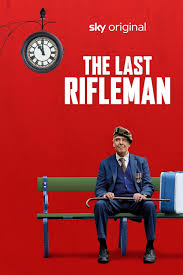
THE LAST RIFLEMAN
Ireland/UK, 2023, 95 minutes, Colour.
Perce Brosnan, Clemence Poesy, John Amos, Jurgen Prochnow, Ian McIlhinney, Samuel Bottomley.
Directed by Terry Loane.
This is a film which will entertain and inspire older audiences. It is an Irish-English production, focusing on an Irish character, a rifleman in World War II, and D-Day, some sequences of the fighting, the confrontation with the Germans, fear and heroism. While his friends have died, at the opening of the film, he is, as he states, 92 ¾. He is in an aged care home, with his wife of 68 years who has dementia, who dies.
Audiences who have seen Michael Caine and Glenda Jackson in the story based on the same characters and events, The Great Escaper, will note the similarities. But, of course, there are differences, English and Irish settings, various difficulties on travelling to the D-Day celebrations, the encounters along the way, the role of the media, the acclaim for both The Great Escaper and The Last Rifleman.
A great interest is the presence and performance by Pierce Brosnan, acting more than 20 years older than he is in real life, effective make up, a dignified personality, loyalty to his wife, loyalty to the memories of his friend, deciding to go to the D-Day celebrations for the first time returning.
The film is entertaining in the various steps for his travels, train, cab, bus, hitchhiking in the truck, the ferry to Normandy. And, encounters along the way, an earnest young man with a love of the music of Ennio Morricone and a pleasant anecdote and themes from The Mission, a fussy lady with her medications on a train, a very cheerful woman truck driver, a helpful cab driver, and a French woman (Clemence Poesy) and her two children who are able to smuggle him across the channel.
There is also an encounter with a German soldier, Jurgen Prochnow, and some mutual reflections, an encounter with an African-American soldier played by John Amos.
This is a quietly were reflective film about war and its consequences, on relationships, love and sadness, the dignity of older age and coming to terms with the past.
- Based on a memoir? (Comparisons with The Great Escaper?) Memories of D-Day, memories of war action, injuries and death? Living with the memories into old age? A story for the 21st-century audience?
- The Irish setting, the home for aged care, the rooms, dining room, offices? Travel in Ireland, cabs, buses, trains? The ferry to Cherbourg? The helicopter at the end? The French settings, the town, Normandy?
- Artie Crawford and his story? The flashbacks, the friendship with Charlie and Maggie, the photos, the beach? The scenes of action, confronting the Germans, the British and the Irish, the casualties? Artie and his fear, behind the tree? Charlie and his concern, helping Artie, going ahead, Charlie’s death?
- Artie, 92 ¾, in the home, waking, his room, going to Maggie, the 68 years of marriage, her dementia, feeding her the ice cream, her saying Charlie? His tenderness, the kiss, sitting in the room, the quietness of her death?
- Artie, the letters and photos, writing the letter to Charlie? Inviting Charlie to the 75th commemoration? The reality of Charlie’s death, Artie marrying Maggie?
- At the home, the discussions with Tom, the D-Day 75 years celebrations, Tom and reading the paper, phoning the journalist, the confrontations with the authorities at the home?
- Artie, the decision to go, packing, his health and medication, his age, sitting outside, the laundry van, escaping in the back of the van, £20 to the driver for directions, going to the station, the free travel for those aged, in the train, the lady with her medication, chatter, helping him? The delay in getting to the ferry? The assault by the young men? The help by the cab driver, the ride and the talk, the cabby’s tribute, no fee? In the bus, the young man, helping Artie to his seat with the case, the discussion, Morricone, the reminiscence that Artie met him in Verona with his wife, shook his hand, the playing of the theme from The Mission and Artie listening, the breakdown of the bus, Artie starting to walk, the young man with him, thumbing a lift, the French family refusing, the truck driver, the woman, the talk, Artie and his turn, diabetes, Coca-Cola and the sugar?
- The problems at the ferry, his outdated passport, the authorities? Juliette and her family, the family holiday, her health? Returning home, the van? Hiding in the van, on board, giving him the room, his turn, the nurse and the doctors, plan to get him out, the van driver, Juliette picking him up, the friendship with the children, discussions about the ice cream, the seeing him on television and the boy excited? The farewell and his thanks?
- The bus with the German soldiers, his attitude, some bitter memories, the conversation with the soldier, the reminiscences, gradual mellowing, singing A Long Way to Tipperary, the German and his young days, losing the war, discovering he was on the wrong side, the reconciliation, the German waving to the British troops and their waving back?
- Artie, the tourism office, going to the restaurant, encountering the American and his granddaughter, the conversations and reminiscences, the medals, the death of the American’s brother landing on D-Day, mutual respect?
- The journalist, given the story by Tom, flying to Paris, getting to Normandy, the tourist office, finding Artie, explaining the situation?
- The ceremonies, Artie having to face the truth that he was the last of the riflemen, going to the cemetery, Charlie’s grave, the memories, the media, the helicopter ride, Charlie and the acclamation?
- The sadness of the story, the nobility of the human spirit, age, dementia, the influence of the past, the possibilities of facing the past and facing the future, even in old age?
