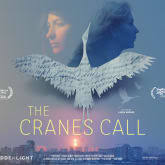
THE CRANES CALL
UK, 2024, 90 minutes, Colour.
Anna Neistat, Solomiia Stasiv.
Directed by Laura Warner.
A film about the Russian invasion and part occupation of Ukraine. It was released two years after the invasion. It was filmed on location in the Ukraine, in Kyiv, in country villages, in towns. There are also sequences focusing on the main researcher, with her family, in Paris and in New York.
The film was sponsored by a number of organisations for peace, and in the step belonging to the Clooney Foundation for Justice.
The title comes from a poet heard towards the end of the film, cranes calling and their call is that Ukraine will find peace.
What is significant about the film and makes such a powerful impact is that it is a close-up investigation of war crimes. The audience is introduced to the chief researcher, Russian-born Anna Niesten, researching war crimes for 20 years in Chechnya, Georgia, Syria… Her oldest son works with her in the research, her husband and younger children moved from Paris to Ukraine during the film.
At the opening, there is an attack on Kyiv, drones, and the need for the research team to take shelter. But, this is the opportunity for Anna to meet Solomiia with two brothers fighting on the front, her acting as translator, becoming more fully involved with the research.
The value of the film is the audience being invited to accompany the research party and be present for all kinds of meetings, interrogations, visits to sites, personalising the preparation for Dossiers for war crimes, charges which can be brought up by countries outside Russia and Ukraine.
There is a meeting with an older mother, the town occupied, the threats of rape not just as is one punishment but as an outlet for drunken troops. She is willing to give testimony. There is a discussion with a man who had been and abducted, held in a dark cell, tortured, electrodes and currents, gas masks. There is an interview with a man who describes the bombardment, his attempts to save his wife and children, the sadness of the discovery of his wife’s dead body, eventually finding his son.
One of the factors for the research is finding documents left behind by the occupying Russian troops, finding names, details about commanders, finding papers, USB with photos, some local papers produced during occupation.
The audience gets to know and, very articulate about her work, her motivations, her intentions, and the personal drama for Solomiia as she accompanies Anna.
Newspaper and news on television items indicate the presentation of war crime Dossiers to various international authorities. This documentary personalises all of this, and admiration for those who spend their time, energies, experiencing dangers, in searching out interviewees and documents.
And, in the 2020s, not only war crimes by the Russians in Ukraine, but the war in Gaza, civil war in Sudan, persecutions in Myanmar…
