Displaying items by tag: Peter Malone's Movie Reviews
You Don't Nomi
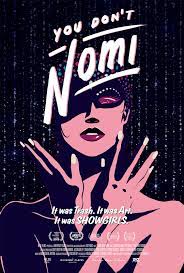
YOU DON’T NOMI
US, 2019, 92 minutes, Colour.
Directed by Jeffrey McHale.
Paul Verhoeven’s Showgirls was released in 1995, winning so many Razzies (and his turning up to accept), strongly critical reviews, often laughed at.
The film is set in Las Vegas, showgirls, strippers, clients at the casinos, a blend of the glamorous and the tawdry, especially featuring rivalry between two showgirls played by Elizabeth Berkely and Gina Gershon.
Here is a documentary, almost a Silver Jubilee celebration of the film, a re-appraisal. In the title Elizabeth Berkely’s character is called Nomi Malone. And it is emphasised that Nomi can be understood in many ways, and negative in no Me, or a demand Knowe Me, or an abrupt assertion No! ME. All relevant in this reappraisal.
Throughout the film there are many reviewers giving their opinions, from the time, and some in retrospect. And the writer-director uses the device of many chapters throughout the film, indicating that critics had different perspectives on Showgirls as a masterpiece – a cult film after all the years or a masterpiece of drek.
The film is in strong defence of the presence and performance by Elizabeth Berkely and regretting the severity of the response to her performance in the film and its effect on her potential and career. There are sequences from the television series in which she starred, Saved by the Bell, indicating why she was cast in the film. And, there are plenty of clips from the film itself as well is interviews with her over the years. And there are many scenes dramatising the clash with Crystal, played by Gina Gersho, and some interviews with Gina Gershon herself.
What may be of more interest to film buffs and this analysis of Showgirls and defence of it, especially with the bravado of Verhoeven himself at the time and decades later with interviews, is the survey of Paul Verhoeven’s career, with ample clips from many of his films, from those in Holland including The Fourth Man and Spetters, to the range of his Hollywood films including Flesh and Blood, Hollow Man, Robocop, Starship Troopers – and, of course, a lot from Basic Instinct and Sharon Stone.
This gives an opportunity for audiences to appreciate the director’s very forthright Dutch approach to his themes, treatment, sexual provocation, nudity, crass behaviour (and his including scenes of mirrors, fingernail care, vomiting from so many of his films).
Worth checking out the comments on IMDb, bloggers enjoying their comments on Showgirls:
- an over-the-top disaster that you can’t look away from…!
- This is not a documentary. It's a 90min movie review by a bunch of irrelevant "critics" spouting their irrelevant opinions no one cares about and no one asked for. They sit around pontificating the meaning behind every little thing and how the movie is full of "misogyny" and "racism". None of which is true,
- When does trash become art?
- An extended video essay about a film that bombed.
The film shows how much can be made of any film with a range of different viewpoints commenting, extensive clips to prove or disprove a point, and the question whether this kind of documentary would urge viewers to watch Showgirls – or watch it again.
We Made a Beautiful Bouquet
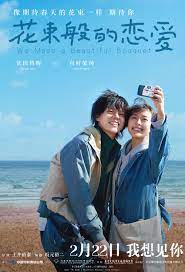
WE MADE A BEAUTIFUL BOUQUET
Japan, 2021, 124 minutes, Colour.
Masaki Suda, Kasumi Arimura.
Directed by Nobuhiro Doi.
This is a Japanese story, a Japanese romance, very much of the 21st-century, a focus on young adults, a film for a young adult audience who appreciates the contemporary references to arts, entertainment and social media.
While the film opens in 2020 with a symbolic discussion about two people sharing earphones to listen to music and the point made that each hears different aspects of the same music. As the film goes back and we follow the story of two young people who met on a chance encounter in the rain, missing the train, we realise that this is what is happening to them, bonding together but perceiving life from their particular earphone.
The film goes back to 2015, indicating the progress of the relationship year by year. The film also uses the device of showing the same episode from the point of view of each of the characters, their interpretation, inviting the audience to agree with both or, perhaps, prefer to respond to a particular perspective of one.
The performances are joyful, the characters emerging from a certain younger shyness to a great bonding, shared contemporary culture, theatre, movies, television, social media, particular authors, particular personalities.
As they grow older, the demands of life, a sense of responsibility, become very important, it is interesting how the film shows the response of each, the young woman studying, getting a responsible job, but wanting something in which can be more per personally involved. The young man, on the other hand, finding it hard to get a job after many interviews, drawn into business, becoming more and more involved, his time, interests and energies, travel, meals…
With the consequent falling apart of the relationship, he wanting to propose but his idea of marriage very traditional, not acceptable to her.
A beautiful bouquet – but only temporary.
- A Japanese story? A story of young Japanese in the 21st-century? For a young audience?
- The Japanese settings, cities, apartments, restaurants, workplaces, business, events management? Realistic settings? The musical score?
- The title, with reference to Mugi and Kinu? The time of making the bouquet? The aftermath?
- The opening, 2020, the restaurant, the couple with the earphones, sharing the earphones, the music, and the comment about each hearing a different perspective of the music because of the limit of one ear phone? This is a symbol of what happened with the couple?
- The device of going back into the past, showing the couple year by year?
- The accident of their meeting, the social, the rain, missing the train, passing the night, the next morning? Encountering each other again?
- Kinu, very young, prospects, lack of experience, family? Mugi, same age, more reclusive, attractive? The potential for a couple?
- The emphasis on contemporary media, theatre, the movies, social media, games, the details in the screenplay for younger audiences to identify with and believe?
- Their time together, getting to know each other, friends, the decision to live together, the bonding between them?
- The passing of the years, teens into their 20s, the shared interests, but the challenge to do something more?
- Kinu, her studying, achievement, accountancy, the job in the hospital, efficient, her wanting something more, the invitation to managing events, the sequences, her success?
- Mugi, being urged to take responsibility, to earn money, his range of interviews, not being employed, finally being accepted, his training, his response, with those on higher levels, the demands, his commitment to his work, the affected home, travel, meetings, meals, phone calls?
- The film’s device of the voice-overs, showing the same episodes from the point of view of each? Audience sympathies moving from one to the other? More appreciation for Kinu and her emotional experiences? Less appreciation for Mugi and his being caught up with the demands of his work?
- The consequences for the relationship, that life, the sexual relationship? The issue of marriage, Mugi and his wanting to marry, his conventional image of marriage, his job, children, Kinu at home?
- The sadness of the breaking down of the relationship, the scattering of the leaves of the bouquet, each of them finding a new partner, and the rueful encounters and memories of the past?
Albert Brooks Defending My Life
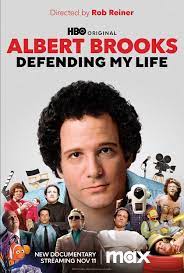
ALBERT BROOKS: DEFENDING MY LIFE
US, 2022, 88 minutes, Colour.
Albert Brooks, Rob Reiner, Judd Apatow, James L. Brooks, Larry David, Jonah Hill, Conan O'Brien, Chris Rock, Sarah Silverman, Steven Spielberg, Ben Stiller, Sharon Stone, Wanda Sykes.
Directed by Rob Reiner.
Albert Brooks has had a long career as a comic, stand-up comic, performer, film star, director. His life started with some irony because his family name was Einstein and his parents, his mother singer and dancer in the movies and on stage, and his father, Harry, a very popular comedian in film, radio and television, Parkyakarkus, decided to call their youngest child Albert, Albert Einstein. (To avoid any mixup, young Albert became Albert Brooks!).
For a great deal of the film and its complete framework, Albert Brooks sits in a restaurant with his boyhood friend and school companion, writer-director-actor, Rob Reiner, who directs this film and many clips of each man’s parents. They enjoy their conversation and their reminiscences, and so do we. (Except for an angry blogger who felt that this was all too chummy and not critical enough!)
In just under 90 minutes, through the conversation and through clips, we have Albert Brooks’s personal life, the stages of his career, his achievement, his marriage and family – with some testimonies from his wife and his two children. And, there are a great number of admirers as indicated in the list of contributors above. Not only are they in admiration of Brooks but they will remember and describe their first memories of his comedy and many of them indicating that it spurred them in their own careers – and this ranging from Larry David and Conan O’Brien to Jonah Hill, Chris Rock, Sarah Silverman, Ben Stiller too great admiration from Steven Spielberg.
And, for movie buffs, all of his films are given the context, their initial impact, especially Real Life and Modern Romance, to his entertainments like Lost in America, his starring with Meryl Streep in Defending Your Life, inviting Sharon Stone to star with him in The Muse. Rob Reiner asks Brooks about his relationship with his mother and there are many scenes of Brooks’s film, Mother, Debbie Reynolds embodying on screen his actual mother.
And, it is surprising to find how many films Albert Brooks appeared in as an actor, starting with the role in Scorsese’s Taxi Driver in 1976, an Oscar nomination for Broadcast News, and clips from a very interesting career range of performances. And his children reflecting on his voicing the father in Finding Nemo.
So, in a way, this is an entertaining way to spend 90 minutes. For those who know very little about Albert Brooks, anti-opener. For those familiar with him, very entertaining and interesting.
Moving On/ 2022
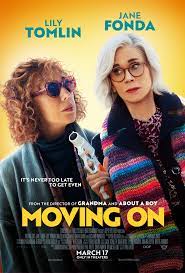
MOVING ON
US, 2022, 85 minutes, Colour.
Jane Fonda, Lily Tomlin, Malcolm McDowell, Richard Roundtree, Sarah Burns.
Directed by Paul Weitz.
From 2015 to 2022, Jane Fonda and Lily Tomlin appeared in the television comedy series, Grace and Frankie. They also teamed up for this film as well as 80 for Brady.
Audiences will enjoy seeing the two leading ladies in their early to mid-80s, still commanding the screen. And, so often villainous, Malcolm McDowell at age 80. And veteran actor (Shaft) Richard Rountree. The film is been directed by Paul Weitz, writer and director of a range of American comedies starting with American Pie.
The situation is a funeral, Jane Fonda’s Claire coming from Ohio for the funeral of a friend, encountering another friend from the past, Evelyn, played by Lily Tomlin. The target is Malcolm McDowell, Howard, the husband of the dead woman, but Claire wanting revenge for his sexual assault on her from the past. She intends to kill him.
On the one hand, this is a comedy drama in the Me#Too era, a challenge to men who have concealed their assaults. On the other hand it is a comedy drama of mishaps, Claire’s attempt to buy a gun, Evelyn getting a gun from another resident of the Aged Care facility (in exchange for crisp bacon), the gun turning out to be a flare…
And, unexpectedly, Richard Roundtree turns up as former husband of Claire, now with his own family and grandchildren, rekindling past love.
While Claire does her best in her attempts to kill Howard, she is saved by his having a heart attack!
Slight, serious in its current exposure of male sexual assault in the past, and a reminder that strong performers can continue for as long as they can.
- The title, getting older, but also taking in hand consequences for past life?
- The situation, the funeral of a friend, old friends gathering, grief, past hurts, and the intention to kill?
- The California setting, homes and grounds, apartments, aged care? The musical score?
- The focus on Claire, Jane Fonda in her mid-80s, strong screen presence, travelling from Ohio, at home, her daughter, taking care of the dog, her surly grandson? The flight? Going to the funeral, the confrontation with Howard, his manner, her confrontation? Meeting Evelyn, memories of the past, their times together? The friendship with the dead woman? The complication of relationships? Claire and the confrontation with Howard’s daughter, later getting Evelyn’s correspondence, and the acknowledgement of the truth?
- Evelyn, Lily Tomlin in her mid-80s, capitalising on her screen presence, the past, acerbic, the cello, unable to play well, the pretense of an apartment, living in aged care, her care for the little boy, encouraging his cross dressing, her clash with the boy’s parents, urging him to be true to himself? The lesbian character, telling Claire about her relationship? Her going to the funeral, her speech, after gatecrashing, the declaration about her sexual relationship with the dead woman? The effect on Howard, on his daughter, on the congregation?
- Claire and Evelyn trying to buy a gun, not able to in California because she was from Ohio, at the reception, getting the knife from the kitchen, having to give it back? Still intent on killing Howard? The final revelation of the events of the past, Howard and his callous description of what happened, blaming Claire, the effect on clear for her life? Wanting Howard to admit the truth?
- Evelyn, the aged care patient, his love for bacon, the gun, Claire cooking the bacon, in exchange for the gun, getting the orderly to get the box from the cupboard? The revelation that it was a flare?
- Claire meeting Ralph, the revelation of the past marriage, separation, reasons? Ralph and his second marriage, his family, supportive? Claire meeting them? The invitation to stay the night, the effect on each of them?
- The attempted killing Howard, Evelyn distracting from the attempt, Claire using the flare as a signal, Claire and her confrontation with Howard, his having a heart attack, the collapse, the hospital, the visit, making peace with Howard’s daughter?
- Evelyn’s advice about not going to prison, and the satisfaction of Howard’s collapse?
- The touches of black comedy, and the veteran cast?
Honey/Miele
HONEY/MIELE
Italy, 2013, 96 minutes, Colour.
Jasmine Trinka, Carlo Cecchi.
Directed by Valeria Golino.
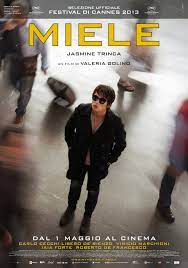
Honey is the codename for a woman whose work is to assist with suicides. Her actual name is Irene and she is played by Jasmine Trinka. The film has been directed by long-time actress in Italian films as well is American films, Valeria Golino.
For most audiences, the theme of the film will be to response. It is a question of assisted suicide, moral issues, ethical issues, legal issues, psychological issues – for the person wanting to die, for relatives and friends, and, as in the case for Irene, the effect on the person assisting.
The film has an Italian setting, an atmosphere of Italian cities, sense of realism. And, monthly, Irene travels to Mexico to buy the drugs for the assisted suicide procedure.
Irene does have some life, visits with her father, a woman friend, sexual liaison with associates. And she has a contact who gives her the names of potential clients. She visits them at home, explains the situation (also for the audience), notes that they can withdraw at any time. There are several examples of the procedure, the focus on those dying, the focus on those associated, and the camera watching Irene during the process, some compassion, concern.
Ultimately, this gets too much for her, complicated by her association with an older man, Carlo Cecchi, who asks her help, questions her in detail, but does not want an assisted suicide. There is clash, Irene wanting to retrieve the drugs, her returning to his apartment, the conversations, breaking down of barriers, conversations, and a friendship.
This all has an effect on Irene who then wants to withdraw from her work assisting suicides.
With the performances of the central actors, this becomes more than just a film treatise on assisted suicide but helps the audience to appreciate the emotional and psychological demands.
- The theme of assisted suicide? Moral issues? Legal issues? Psychological issues? For those dying, for family, for those assisting? Compassion? Business?
- An Italian setting, the city, apartments, streets, cafes, atmosphere? The visits to Mexico? The settings for the assisted suicide? The musical score?
- The title, the codename for Irene? A sweet-sounding name?
- Irene herself, her relationship with her father, her studies, her contacts for clients, the travels to Mexico for the drugs, drugs for putting down animals? Three years assisting in suicide? The contact and the discussions, her buying the drugs, the procedure, her explanations, giving the clients the option to pull out at any time?
- The settings for the suicide, the man with his wife, sitting up, the music? The young man, the vodka, the open window, Irene not staying to the end?
- Carlo Grimaldi, the contact, his age, attitudes towards life, divorce, the discussions with Irene, her reaction? His detailed questions, autopsies…? His not wanting to kill himself? Her bringing him the drugs, her returning to try to find them? The discussions, her return, the phone calls, her concern, the breaking down of the barriers, the outings, the meal at the restaurant, his visit to her house? The friendship? The importance of swimming for Irene?
- Irene and her personal relationships, the men in her life, their relationships? Her friend and her questioning?
- The effect on Irene, her wanting out of her work, the discussions with contact? At home, Carlo’s visit, appreciating the sea? Her going to his house, his previous comment about throwing himself out of his apartment, five floors up?
- The human and humane portrait, Irene’s questions, the questions for the audience?
Look Away
LOOK AWAY
UK, 2021, 90 minutes, Colour.
Kari Krome, Julia Holcombe, Sheila Kennedy, Jackie Fuchs.
Directed by Sophie Cunningham, Ben Steele.
This is a very disturbing documentary. It is very much a result of the Me Too# movement and revelations, subsequent court cases and imprisonment of offenders.
The particular focus here is the music industry. And, even more specifically, the American music industry of the 1970s. The title of the film comes from Iggy Pop’s song of the same name and his having had a sexual liaison with a 13-year-old.
The film uses quite a number of interviews, lengthy interviews, an opportunity for abused women to speak, to be heard, to be seen. The perpetrators are seen in archival footage. And, there are quite a number of commentators, journalists, women involved in the music business, reflecting on the period, critical of what went on, confirming the interviews of the abused women.
A lot of attention is given to Julia Holcombe, a rather wild 15-year-old who became infatuated with Steven Tyler of Aerowsmith, was introduced, they bonded, a relationship and her touring with him, his wanting to make her his ward and adopt her, which happened. Julia is very frank and plain in her telling of the story.
Kari Krome, songwriter, seen in 70s footage, is very frank in her comments about behaviour, and especially in relation to Rodney Bingenmaier, proprietor of popular LA club, English Disco, where he fostered an atmosphere of freedom, enabling this kind of sexual behaviour, unlimited.
Sheila Kennedy, a Penthouse model, offers a certain graphic description of abusive behaviour by Guns ‘n Roses lead singer, Axl Rose.
The young bassist for the girls’ group, The Runaways, Jackie Fuchs, gives quite a horrendous account of the manager, Kim Fowley, and her being subjected, drugged, to gross abuse. After leaving The Runaways, Jackie Fuchs became a lawyer and tells her story, after almost half a century, with conviction.
In only 90 minutes, this documentary, frank, frightening, direct, makes quite an impact and invites a great deal of reassessment of culture in the music industry, especially in the 1970s, the status of the rock stars and their personal and private behaviour, no holds barred, no limits. To be judged in the light of 21st-century new awareness.
According to Sophie Cunningham, the purpose of the film "is not necessarily about seeking justice in the legal sense, but having a voice – and trying to instigate change. Although we are focusing on a certain era in this film, the music industry is still functioning in a very, very similar way.
Through the lens of 2021, laid out in black and white, it all seems pretty shocking. But perhaps more shocking is that for years, this kind of behaviour wasn't at all shocking.
"I think a lot of the times the artists themselves have written about their escapades with their girlfriends or what they got up to during this era and you never really hear from the women," says Cunningham.
"Musicians were these godlike creatures, especially at that time. There were power structures that enabled them; as long as they were selling records and as long as they were making money for the big record companies, I think there was a general understanding [they] could pretty much get away with anything and also it could all just be written up as an excess of the time.
"It's very, very easy to think 'It was different then, it was hedonistic, the world was a different place'. But I think it's clear from the women who've spoken out that their experiences as [teenage] girls impacted them in the same way that they would if it happened to [teenagers] now. It's not a different era, it's just that we look at it differently."
Brand Bollywood...downunder
BRAND BOLLYWOOD… down under
Australia, 2023, 93 minutes, Colour.
Directed by Anupam Sharma.
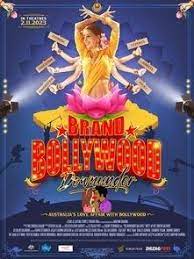
An interesting and entertaining documentary, especially for movie buffs, but beyond… A subtitle: Australian’s love affair with Bollywood.
The screenplay points out that the biggest group of migrants to Australia after the British is the Indian migration. Which means that this is a documentary both for Australia and for India.
In fact, the film has three special focal points. First, there is cinema itself. Secondly, issues of trade and tourism between the two nations. And, thirdly, issues of culture and cross culture. And, within its hour and a half, all of these issues are dramatised and challenged.
The director himself, Anupam Sharma, of Indian background, graduated from the University of New South Wales, has been involved in the film industry since the 1990s, as producer, and director of several films including the Brett Lee cricket comedy, UNindian.
And on the title – for decades now, Bollywood is the general title for Indian cinema (and, it is rightly pointed out that this is not accurate, applying to Mumbai cinema and its singing and dancing style, but not really applicable to cinema from such centres as Kolkota, Chennai,). But, there are plenty of excerpts from Bollywood movies throughout the film – and quite a long final credits song and dance to keep us in the mood.
Indian culture has been for millennia a culture of images, paintings, statuary. And, very early in the history of contemporary cinema, Indian filmmakers realised its potential. The first 30 minutes of this film offers a very interesting, sometimes illuminating, history of cinema in India, quite striking silent film footage and, for Australians, the story of Mary Ann Evans from Perth who went from Australia to India, worked in and circus, and in the 30s became quite a movie superhero figure, Fearless Nadia (and clips from her films to definitively prove this).
Indian filmmakers had come to Australia but this developed during the latter part of the 1990s, again many clips to highlight the scenarios, and Indian characters photographed often on Sydney Harbour Bridge, in the outback, with kangaroos…
Which leads to the second issue of trade and tourism, Indian audiences fascinated by what they saw with the movies made in Australia, wanting to visit. And, with the filmmaking, possibilities for trade and industry development. To highlight this, South Australian Labor Premier, Mike Rann, invited India to South Australia and, for a time, a centre for India-Australia films. But then the emphasis moved to Victoria, especially with Liberal Premier Ted Baillieu, enthusiastically welcoming India – and both Premiers persuaded to join dances on stage and display the rhythmic movements!
There is also the issue of Intermission, always during Indian screenings for some mid--movie socialising.
So, a great deal of cross-cultural interactions. But, a number of tensions. Filmmaking style in Indian studios seems loud, brash, everybody involved, contrasting with a more disciplined practical approach in Australian studios. But, the film also emphasises some sad events in Australia, murders of Indian students in Australia, media attacks on Australia, doyen of Indian actors, Amitabh Bachchan, publicly refusing an honorary degree from the University of Queensland (but, with more dialogue and more collaboration, accepting the degree eventually and coming to Australia for a cameo in Baz Luhrmann’s The Great Gatsby).
There is a Bollywood festival in Australia. Many cinemas program Indian films – and there is no lack of films from India which has the largest film industry in the world.
So, an urge to creative cinema collaboration.
There's Something in the Barn
THERE’S SOMETHING IN THE BARN
Norway, 2023, 100 minutes, Colour.
Martin Starr, and Amrita Acharia 26, Townes Bunner, Zoe Winther-Hansen, Jeppe Beck Laursen, Kiran Shah, Henrietta Steenstrup
Directed by Magnus Martens.
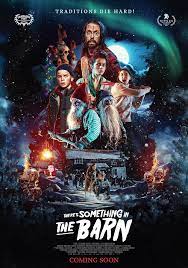
In fact, there is, rather, someone in the barn. And, as the story progresses many more someones in the barn – and breaking out.
This Norwegian film is, perhaps, best described as comedy-horror, the kind of film that is light entertainment in the programming of a horror festival. Much of it is played for laughs, but there are increasing horror confrontations (and, rather shamelessly, this reviewer got the biggest laugh by the sudden appearance of a semitrailer with disastrous results).
With its beautiful winter snowy scenery, Norway looks very attractive for a touristic visit. But, with mayhem in the barn, overflowing into the house and out into the snow, prospective tourists might have hesitation despite the fine display at the end of the beauty of the aurora borealis.
We have a warning right at the prologue, disaster in the barn, the owner going up in flames, and, causing shocks and observing a Norwegian gnome, garden decorative variety but with grizzled ancient face, sounding dialect, named throughout the film a “barn-elf”.
And, breezily into this Norwegian December countryside comes an American family, who have inherited the house and the barn, intending to turn it into a hotel. Dad is ultra-breezy American, ultra-ingenuous as it turns out, a widower who has married a young happiness coach. Two children, a 16-year-old girl who wishes to be anywhere but here and, as it turns out, a sensible young son.
They drive into town, loudly greeting everyone, somewhat ignored because, as explained, Norwegians have a tough exterior but, when it melts, they have heart. (And alcohol is a great melter of the exterior.) The serious son is intrigued by a museum for barn elves and gets a lot of information from the proprietor, three rules to keep in mind: they dislike big lights, they dislike change, they dislike noise. Of course, this will cause mayhem – but also may help in the taken defence when the mayhem takes over.
But, the young boy makes friends with the main barn-elf who, when on-side, clears paths through the snow, chops and stacks would… Though he has his angry moments, he will turn out to be a saviour, finally finding refuge in a cottage at the town’s Museum. And, there is a friendly middle-aged woman cop, no gun, Norwegian-cheerful, interrupted by events on Christmas Eve from her cooking dinner and watching Love, Actually!
And, throughout the screenplay, there are lots of comic shots at American attitudes, especially when the father is desperate for a gun and that is not the Norwegian way, quips about Americans, guns, shooting people in the face. But, there are some quips about Norwegian peace, the reputation for negotiations and peace deals, especially Oslo, though not always successful.
Which means then that this is a kind of horror film with an almost PG rating! Horror fans may get impatient with the humour. But, audiences wanting something different, accepting something slight, the premise and some of the execution (a word used advisedly for what happens to so many of the barn-elves), might enjoy the hundred minutes.
- Comedy? Exuberance? Americans abroad in Norway? Horror? The barn, the elves, the rules, destruction? The combination?
- A Norwegian story? An American story? The location photography, winter, snow landscapes, the mountains, the house and interiors, the barn and interiors, the town, the diner, the elf Museum? The countryside, the highways? Authentic feel?
- The prologue, the farmer, deciding to destroy the barn, the mysterious presence, the fire and his death? Leaving the house and barn to his nephew?
- The ultra-exuberant American family, cheerful, loud? Bill, widower, his children, the encounter with Carol, Happiness Training, her enthusiasm, her techniques? Nora, 16, sulky, not wanting to be there, phoning friends? Lucas, his age, quieter, common sense? The ambition of turning the barn into a hotel? Settling into the house, going to the town, loud, meeting Ronnie, Lucas and the proprietor of the elf Museum, learning the rules?
- Lucas, in the barn, the mysterious sounds, meeting the elf, offering the biscuit, the appearance of the elf, age, grizzled face, Norwegian mumblings, hand on heart, the elf clearing the snow path, stacking the wood the Bill? But the rules of no Bright lights, no change, no loud noises? And porridge with cinnamon and butter as a peace offering a Christmas?
- The decision to socialise, invitations to the party, handing them out in the town, the preparations? Everybody arriving, Norwegian frosty exterior, alcohol met melting the exterior, the warm hearts?
- Bill, the cookbook, the fish, no be able to eat it? Lucas and his preparing the porridge gift? Bill eating at all? The beginning of disaster? Lucas giving the elf the fish, failure?
- The party, the Santa Claus decorations, Ron coming as Santa Claus, loud? The lights? The attack by the elves? The visit of the sheriff, her being cheery, no gun, watching Love, Actually? And the shock of the crash and her death?
- The emergence of the elves, the large number, the attack, the family under siege, the fights, Carol and her techniques, Bill and his dithering, Nora and her fighting, Lucas trying to make peace? The comedy of destruction? The Moose (and the initial photo &)? Bill and Lucas, the sled, the pursuit, the semitrailer ploughing into the elves?
- Ingenuity, reconciliation between Carolyn Nora, working together? Captured?
- Going to town, the museum proprietor, delaying and leaving, the discovery of the underground tunnels, the release of Carol and Nora? The pursuit?
- The friendly elf, loyal to Lucas, hand on heart, helping, the explosives, the fire, destruction?
- The proprietor, his philosophy of peacekeeping, Norwegians as peacekeepers, his offering a home to the good elf?
- The combination of horror and comedy?
As You Want Me; Come mi voui
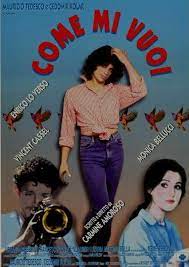
AS YOU WANT ME/COME MI VOUI
Italy, 1996, 100 minutes, Colour.
Enrico Lo Verso, Vincent Cassel, Monica Bellucci, Francesco Casalei, Urbano Barbarini, Meme Perlini.
Directed by Carmine Amoroso.
This is an Italian comedy of the mid-1990s, something of a curiosity item in retrospect. It appeared when there were more and more films emerging with gay themes, but also in the atmosphere of the AIDS epidemic.
This film seems to be offering a sympathetic perspective on homosexual orientation but focuses, especially, on drag queens. However, underlying the surface comedy, there is also the issue raised of the possibilities for intimate male/male relationships.
At the centre of the film is Domenico, who dresses as Desideria, in clubs, cruising with other drag queens, encountering the clientele driving up in their cars. Domenico is played by Enrico Lo Verso, longtime veteran of Italian cinema.
The police do their rounds, arrest the various drag queens, interrogations. One of the police is Pasquale, played by Vincent Cassel, who, it turns out, knew Domenico when they are at school. Pasquale is engaged to a young woman played by Monica Bellucci (a couple of years before Cassell and Bellucci were married in real life).
Then there is the sympathetic but interfering parish priest, eager to support Pasquale, fostering his relationship with his fiancee, aspects of comedy about sexual relationships. The priest seems rather horrified at the story of Domenico/Desideriaa, and encourages Pasquale to be supportive of him.
What follows, is a sexual relationship between the two, Domenico in love, Pasquale explaining the situation in a rather matter-of-fact way to the priest, to his fiancee, the possibility of the coexistence of the two sexual relationships.
So, this is a perspective from Italy in the mid-1990s. An interesting companion film would be An Almost Ordinary Summer from 2019, a story where two older men, with children, fall in love with each other with the children’s generation trying to undermine the planned wedding. This film also has the added value of two heterosexual actors (as were the two in 1996), Alessandro Gassman and Fabrizio Bentivoglio portraying the two older men.
Almost Ordinary Summer, An/ Croce & Delilizia
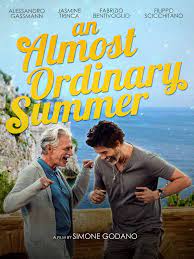
AN ALMOST ORDINARY SUMMER/ CROCE & DELIZIA
Italy, 2019, 100 minutes, Colour.
Fabrizio Bentivoglio, Alessandro Gassman, Jasmine Trinka, Filippo Scicchitano, Lunetta Savino, Anna Galiena.
Directed by Simone Godano
With such an English title, the audience anticipates how the summer will not be ordinary.
The film opens with the family joy, father and sons and daughter-in-law, pregnant, all driving off cheerfully to a summer holiday, finding the setup rather inadequate and complaining. The holiday centre is owned by a wealthy man who is celebrating his birthday and his daughters and various relations turning up.
So far, so expected.
However, there is a much more serious theme underlying the farcical aspects of the holiday. The owner of the mansion, Toni, veteran actor Fabrizio Bentivoglio, announces his intended marriage ceremony with Carlo, the father of the holidaying family, veteran actor Alexxandro Gassman.
Needless to say, the rest of the film is about the variety of reactions to this announcement, the film establishing the characters of the two older men, their meeting, the longtime partnership, each of them with family, but finding something in each other, especially the older man finding a genuine humanity in the widower, Carlo.
And, needless to say, there will be hostility to the wedding. It comes from Carlo’s son, Sandro, who reacts very badly, respecting his father but disagreeing with him. And there is hostility from Toni’s daughter, Penelope, Jasmine Trinka, who says that she campaigned and marched for gay marriage rights but does not want this for her father. She and Sandro team together to undermine the wedding.
What follows is holiday joy, family upsets, the arrival of Penelope’s mother, played by veteran Anna Galienay and, different attitudes, different understandings, an issue of Sandro’s younger brother, Diego, and whom he will stay with.
There are some very strong scenes, especially with Penelope’s panic attack and her being helped by Carlo.
There is some alienation, some reconciliation, and some happy sequences during the final credits of the wedding celebrations.
- An Italian comedy with a serious theme? The history of the legislation on gay marriages? In Italy? 21st-century perspective?
- The title, irony, on holidays and summer, at the water, holiday homes, carnivals, picnics, activities…? The musical score?
- The location, the coast, the beach, the holiday accommodation, the touch of the primitive, the mansion and the interiors?
- The focus on the family, loud, all together in the car, travelling to the holiday, the music and song? Arrival, the primitive conditions, toilet and shower, complaints? Settling in?
- The establishing of the family, Carlo as the patriarch, widower, his relationship with Sandro, Sandro’s wife, the younger brother, Diego, working class background?
- The mansion, Toni as the patriarch, wealth, lifestyle, Olivia and her arriving, spoiled movie star, Penelope arriving late, bumping the car, self-assured, the presence of the hunt and her boyfriend, Toni’s birthday, the meal?
- Toni and the tensions with his daughter’s, his never marrying, the long partnership, the other children, journeys to France, Olivia’s birth, arrival in Italy? Penny as his daughter, yet the tension between them?
- The situation: Toni announcing the wedding, the reactions, Olivia, the aunt and the boyfriend tolerant? Penny, her comments about campaigning for gay marriage but her not wanting this for her father? Carlo, wanting to find the time to tell his family, hesitating, Toni and Carlo together, Sandra seeing them, his violent reaction?
- Stances about the marriage, in three weeks? The two men explaining the background, Carlo and his meeting Toni at the hospital, talking, the meal together, kindred spirits? It is a completely different backgrounds, lifestyles? Carlo appreciating the older man? Toni admiring the inner depth of Carlo, sympathy and understanding?
- Audience response to the announcement, for or against the marriage, siding with the couple, siding with Penelope and Sandro?
- The comic situations, the serious situation? Penelope, her scheming, talking with Sandro, stopping the family leaving, wanting to undermine the relationship? The various stages, collaboration, developing and her problems, the advance on Sandro, his wife seeing it, the upset?
- The meals, the picnics, the couple together, the ups and downs, the barbecue, Carlo dancing, everybody joining in except Sandro? The joy of everybody dancing?
- The issue of Diego, young, to live with the couple? Sandro and his reaction? Sandro and his relationship with his wife, her pregnancy? Diego, the youngsters going to the carnival, their being lost, Carlo blaming Toni? The morning aftermath, explanations? Carlo and his decision that he would discuss the situation with Diego? Diego, young, the attraction to the young French girl, lovelorn, his father’s wise advice? Carlo coming to getting from Sandro, the going off together?
- The arrival of Penelope’s mother, not a marriage, her work in fashion, the plot to undermine the wedding, yet her encounter with Carlo, sympathetic, change of heart? Penelope’s disappointment?
- The confrontation, Sandra’s reaction, his wife’s reaction, Penelope’s humiliation, unable to breathe, the panic attack, Carlo and his sympathy, helping her to breathe, driving her, the frank talk, Penelope explaining her father’s ignoring of her?
- Carlo, going away, fishing? Toni, wanting to find him? Penelope helping, Sandro on the boat, meeting on the boat (despite the crew calling out about packets), the reconciliation – all round?
- The final credits, the ceremony, everybody joining in the celebration?
- The status of gay marriage in Italian society with its religious traditions?
